How not to restore a forest — the inept dismantling of Delhi’s Central Ridge
Source Entity
Pradip Krishen
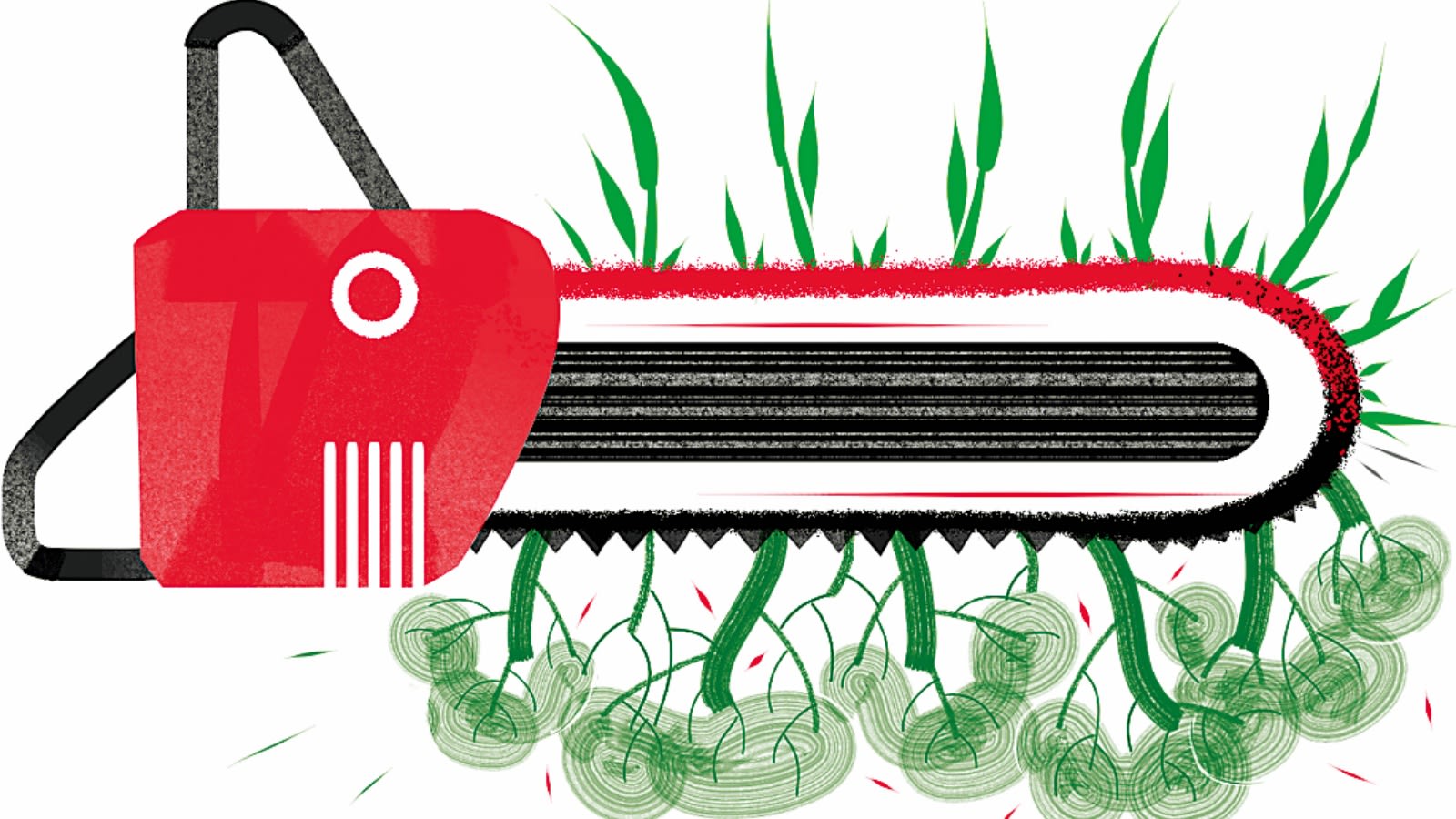
Two distinct reports highlight environmental threats in India: the degradation of Delhi’s Central Ridge and the deliberate destruction of 2,500 trees in Chhattisgarh's Udanti Sitanadi Tiger Reserve. Both incidents underscore the ongoing tension between human activity and forest conservation efforts.
The Fragile State of India’s Forest Ecosystems
India’s biodiversity faces a dual threat, as evidenced by two alarming reports concerning the Central Ridge in Delhi and the Udanti Sitanadi Tiger Reserve (USTR) in Chhattisgarh. While geographically distinct, both incidents highlight the persistent struggle to protect semi-wild and protected tracts from human encroachment and inept management.
The Erosion of Delhi’s Central Ridge
The Central Ridge, a semi-wild eight-and-a-half square kilometer tract, has long served as the ecological lung of colonial New Delhi. Once marking the city's western boundary, nearly half of this area was lost to urban expansion during the 1960s. Today, the remaining core is fragmented by infrastructure—including a polo ground, riding tracks, and a satellite Earth Station. While it remains a place of mystery and limited human access, its ecological integrity is compromised by the diminishing presence of wildlife, such as porcupines, and the encroachment of urban life into what should be a protected sanctuary.
Systematic Destruction in USTR
In a more deliberate act of environmental harm, over 2,500 fully grown trees, including Sal, Bija, and Tendu species, were discovered girdled in the Karka area of the Udanti Sitanadi Tiger Reserve. Girdling—a process of stripping bark to sever nutrient transport—is a lethal practice designed to kill trees systematically. This discovery, confirmed by ground inspections and satellite imagery, suggests a coordinated effort to clear land within a protected tiger habitat.
Historical Context and Human Encroachment
The destruction within the USTR is particularly concerning due to its historical context. The Karka area was the site of a mass relocation of villagers in the 1980s to facilitate the construction of a dam. Recent satellite imagery suggests that despite the passage of four decades, these communities or their descendants are returning to the area, indicating a failure in long-term land management and the enforcement of protected status.
Broader Implications for Conservation
The intersection of urban sprawl in Delhi and the return of human settlements to tiger reserves points to a broader crisis in Indian conservation policy. When forest management is either too lax, as in the Ridge, or unable to prevent illegal land clearing, as in Chhattisgarh, the result is a slow-motion collapse of local ecosystems. The inability to maintain the 'wild' status of these areas reflects a growing trend where ecological preservation is consistently deprioritized against infrastructure needs or, in the case of Chhattisgarh, the reclamation of ancestral lands.
Future Trends and Outlook
If these trends continue, we can expect a further decline in species diversity and the loss of critical carbon sinks. For the Central Ridge, the future remains bleak as it becomes increasingly isolated within the urban sprawl. In the case of USTR, the government must move beyond mere identification of destruction and address the root causes of why relocated populations are returning to protected zones. Without robust enforcement and community-inclusive conservation strategies, the 'inept dismantling' of India's natural heritage will likely accelerate.