Eric Hobsbawn: The historian who defended communism, misread India and avoided the Holocaust
Source Entity
The Indian Express
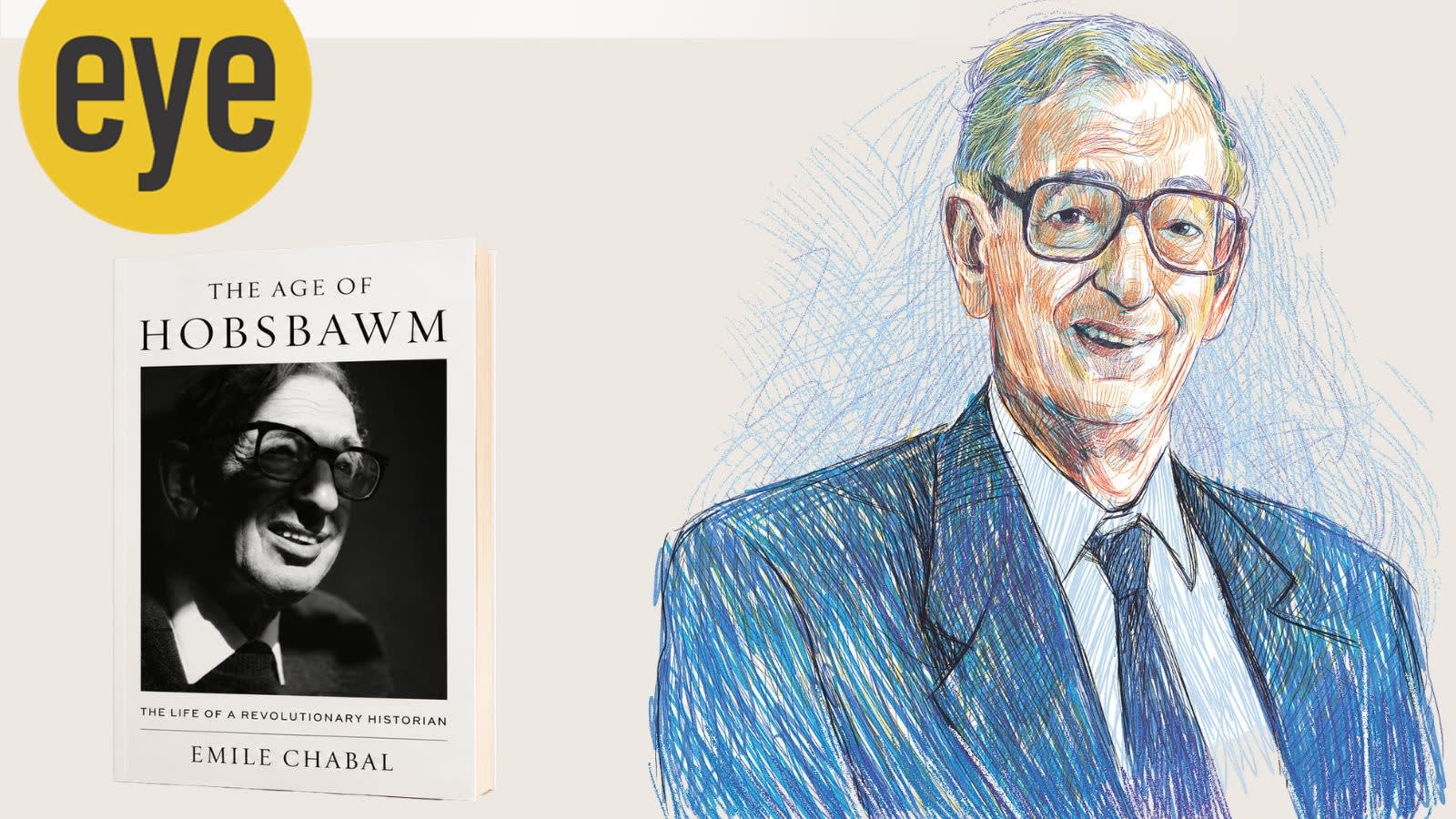
Renowned historian Eric Hobsbawm faces a critical re-examination of his legacy, contrasting his celebrated Marxist historiography with his personal contradictions and ideological blind spots. New scholarship challenges his self-curated image, highlighting his lifelong commitment to communism despite enjoying the comforts of the British academic establishment.
The Dual Legacy of Eric Hobsbawm
For decades, Eric Hobsbawm stood as the preeminent titan of Marxist historiography, widely celebrated for his ability to distill the complex mechanics of global capital into compelling and accessible prose. His work, which often focused on the plight of the marginalized, cemented his reputation as a scholar who could bridge the gap between rigorous academic research and the broader political narrative. However, as contemporary scholars begin to peel back the layers of his life, a more complicated figure emerges—one defined by profound bourgeois contradictions.
The Paradox of the Lifelong Communist
At the core of the critique against Hobsbawm is the tension between his public ideology and his private reality. Despite his unwavering commitment to communism and his vocal anti-imperialist stance, Hobsbawm spent his career comfortably embedded within the British academic establishment. This hypocrisy is further underscored by the revelation that he frequently funded his research projects through the very mechanisms of US capitalism he so vehemently criticized in his writings, creating a jarring disconnect between his rhetoric and his actions.
Dismantling the Myth of the Anti-Fascist Hero
In his 2002 memoir, Interesting Times, Hobsbawm carefully crafted a persona of an intellectual hardened by the anti-fascist street battles of 1930s Berlin. This narrative served to insulate his reputation, grounding his authority in the crucible of real-world struggle. However, recent scholarly work, such as Emile Chabal’s The Age of Hobsbawm, employs the very archival methodology that Hobsbawm himself championed to dismantle this carefully curated mythology. Chabal’s research suggests that the version of history Hobsbawm presented was as much a construct of personal branding as it was of academic inquiry.
Blind Spots and Misreadings
The critique extends beyond his personal habits to his professional output, specifically regarding his analysis of global events. Hobsbawm’s ideological lens often hindered his ability to provide objective assessments, leading to significant misreadings of geopolitical landscapes, including his interpretation of India. Furthermore, critics point to his notable avoidance or minimization of the Holocaust in his broader historical frameworks, suggesting that his rigid adherence to Marxist dogma often blinded him to historical realities that did not fit neatly into his dialectical model.
Implications for Modern Historiography
The ongoing re-evaluation of Hobsbawm serves as a cautionary tale for the field of history. It highlights the danger of allowing ideological commitments to color the interpretation of primary sources. As historians move forward, the case of Hobsbawm forces a reckoning: can an intellectual be stripped of their bias, or is history inevitably a reflection of the historian's own contradictions? This scholarly pivot suggests that the future of historical analysis will be far more skeptical of figures who claim to provide an objective 'total history' while remaining deeply entrenched in their own partisan narratives.