Made in America, owned by India: Essar's $15 billion Trump-era steel bet
Source Entity
CHIDANAND RAJGHATTA
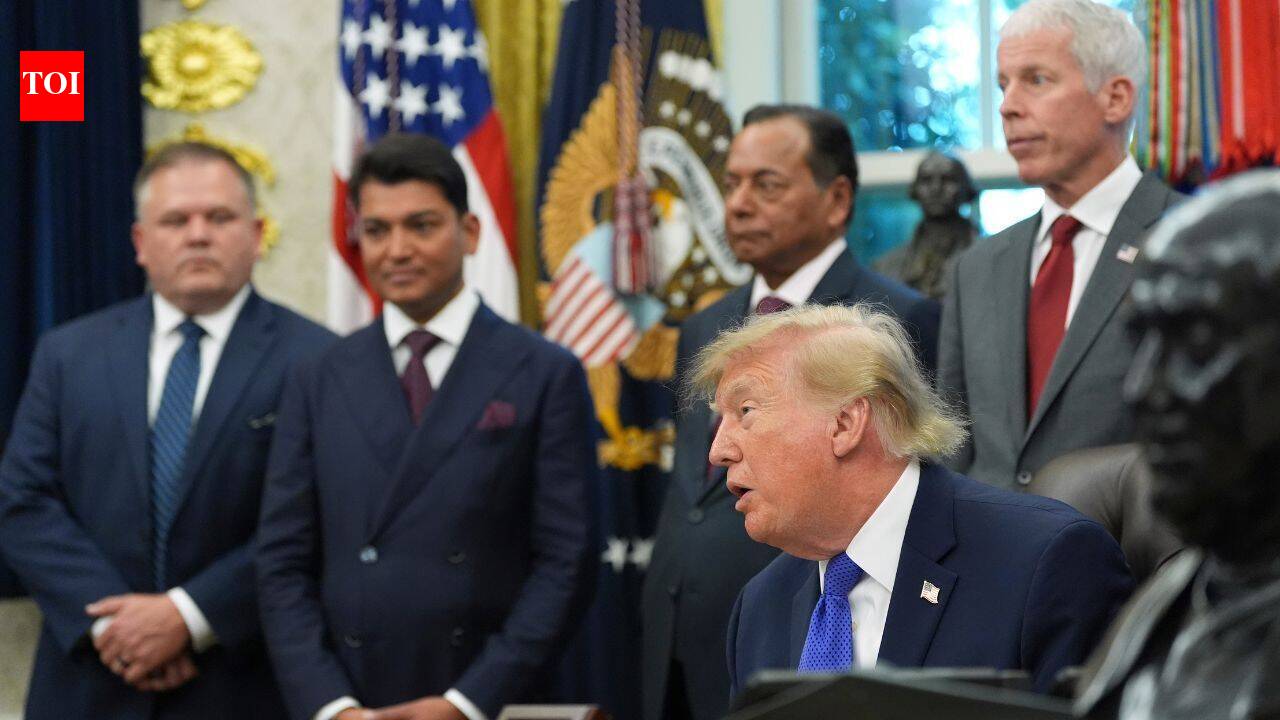
The Essar Group has announced a massive $18 billion investment to construct the largest steel plant in American history in Iowa. This project, spearheaded by the company's US subsidiary Mesabi Metallics, aims to link Minnesota iron ore production with advanced steel manufacturing under the 'America First' industrial framework.
A Landmark Industrial Expansion
In a significant development for global industrial relations, the Essar Group, a prominent Indian conglomerate, has announced an $18 billion investment plan to build what is described as the largest steel plant in American history. Announced at the White House alongside President Donald Trump, the project underscores a unique intersection of Indian corporate capital and the administration's 'America First' economic policy. The initiative is set to be executed by Mesabi Metallics, a US subsidiary of the Essar Group, signaling a major expansion of the conglomerate's footprint in the North American market.
Strategic Integration of Supply Chains
The proposed project represents a sophisticated vertical integration strategy. By linking iron ore mining operations in Minnesota with a high-capacity steel production facility in Iowa, Essar is positioning itself to capitalize on domestic raw material availability. This logistical chain is designed to streamline manufacturing processes, potentially reducing reliance on international supply chains and aligning with the broader goal of revitalizing American industrial capacity.
The Role of Leadership and Vision
The presence of Essar Group leadership, including Chairman Rewant Ruia, Director Prashant Ruia, and co-founder Ravi Ruia, at the White House announcement highlights the high-level coordination required for a project of this magnitude. The backing of the current US administration, evidenced by the participation of officials like Commerce Secretary Howard Lutnick and Energy Secretary Chris Wright, suggests that this investment is viewed as a cornerstone of the administration’s domestic manufacturing agenda.
Economic and Industrial Implications
An investment of $18 billion is poised to have a transformative impact on the regional economy of Iowa and the broader American steel sector. Historically, the US steel industry has navigated complex shifts in global trade and demand. This project represents a modern attempt to scale domestic production to meet contemporary infrastructure and industrial needs. If successfully executed, it could set a new benchmark for the scale of industrial facilities within the United States.
Future Trends and Outlook
Looking forward, this project serves as a case study for how foreign investment can be leveraged to drive domestic industrial growth under protectionist-leaning economic policies. The success of the Iowa plant will likely depend on the company's ability to navigate regulatory environments, environmental standards, and the logistical challenges of connecting Minnesota’s mineral wealth to Iowa’s manufacturing base. As the project moves from announcement to implementation, it will be closely monitored by global investors and industry analysts as a bellwether for the future of large-scale manufacturing in the US.
Conclusion
The Essar Group's commitment to building the largest steel plant in American history marks a significant chapter in international business relations. By leveraging Indian capital to fuel American industrial renewal, the project encapsulates the evolving nature of the global steel trade. As the details of the construction and operational timeline emerge, the industry remains poised to observe how this massive capital injection will reshape the competitive landscape of the US steel sector.