Can Europe recharge its battery industry?
Source Entity
BBC News
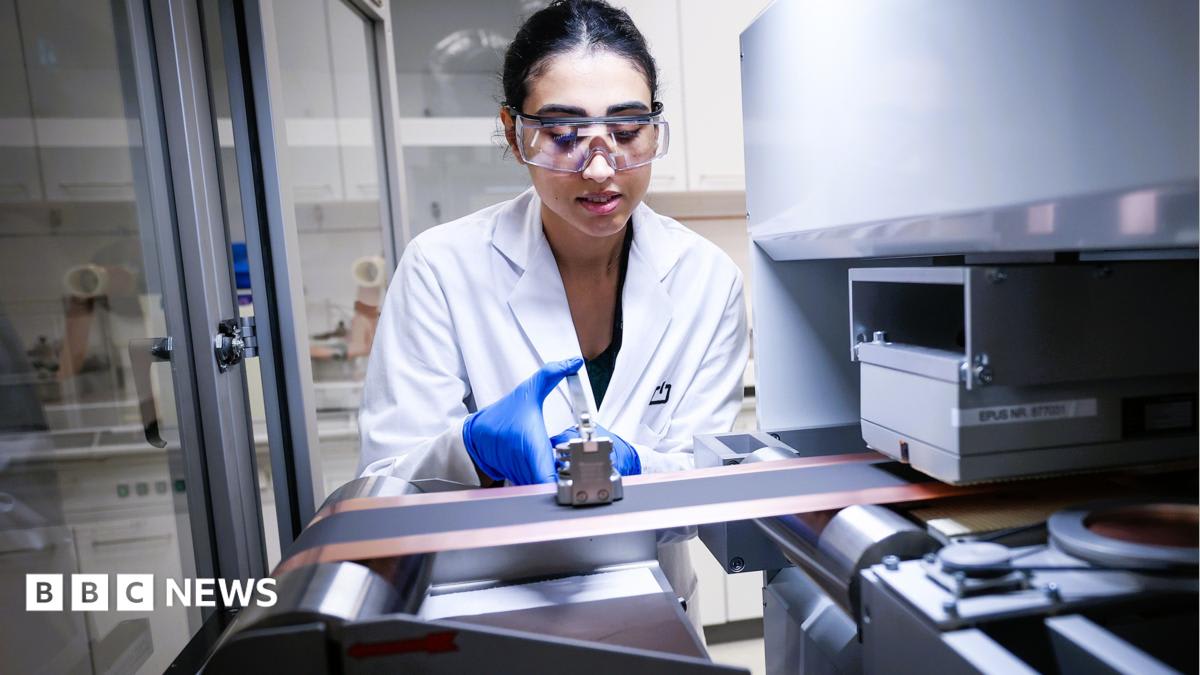
European battery startups like LeydenJar and Powall are targeting specialized supply chain roles to compete with Chinese dominance. By focusing on critical components rather than full battery production, they aim to mirror the strategic influence of semiconductor firm ASML.
The European Battery Strategy: A Specialized Approach
Europe’s ambition to establish a sovereign and competitive battery industry is currently defined by a pivot toward strategic specialization. Rather than attempting to replicate the massive, vertically integrated manufacturing hubs that characterize China’s dominant battery giants, European firms like LeydenJar and Powall are carving out niches within the global supply chain. This shift represents a pragmatic realization that competing on pure scale against established Asian manufacturing powerhouses is currently an uphill battle, necessitating a focus on high-value technological components instead.
Learning from the Semiconductor Playbook
The strategy mirrors the success of Dutch semiconductor giant ASML. Just as ASML dominates the global market by mastering a single, critical step in chip production—lithography—rather than manufacturing consumer chips itself, firms like LeydenJar are positioning their proprietary battery anode technology as indispensable. By focusing on the 'intellectual property' layer of the battery rather than the capital-intensive assembly of entire cells, these companies hope to ensure that European technology remains embedded in the global supply chain, regardless of where the final product is assembled.
Strengthening the Global Value Chain
Despite the competitive nature of the global battery market, current commercial realities necessitate cooperation. Both LeydenJar and Powall maintain active commercial relationships with customers in Asia, acknowledging that the current battery ecosystem is globally interdependent. This collaborative approach allows European innovators to gain market traction and real-world testing data while simultaneously building the influence required to strengthen Europe’s domestic industrial position.
The Geopolitical Stakes
This strategic pivot is not merely a business decision; it is deeply tied to Europe’s broader goal of reducing dependency on foreign supply chains. As the automotive and energy storage sectors transition toward electrification, the 'battery battle' has become the new frontier of industrial sovereignty. By controlling the production of unique, high-performance components, European firms aim to secure a seat at the table in the global energy transition, ensuring that they are not sidelined by the rapid expansion of Asian manufacturing capacity.
Future Outlook and Sustainability
The long-term viability of this model depends on the ability of these startups to scale their unique technologies to industrial levels. If European firms can successfully integrate their specialized components into the global market, they will likely become essential nodes in the green economy. This strategy mitigates the risks associated with the high capital expenditure of building massive gigafactories from scratch, offering a more resilient and agile pathway to maintaining a competitive edge in a rapidly evolving technological landscape.