The Evolution Of BRICS And Its Challenges Today
Source Entity
NDTV News Search Records Found 1000
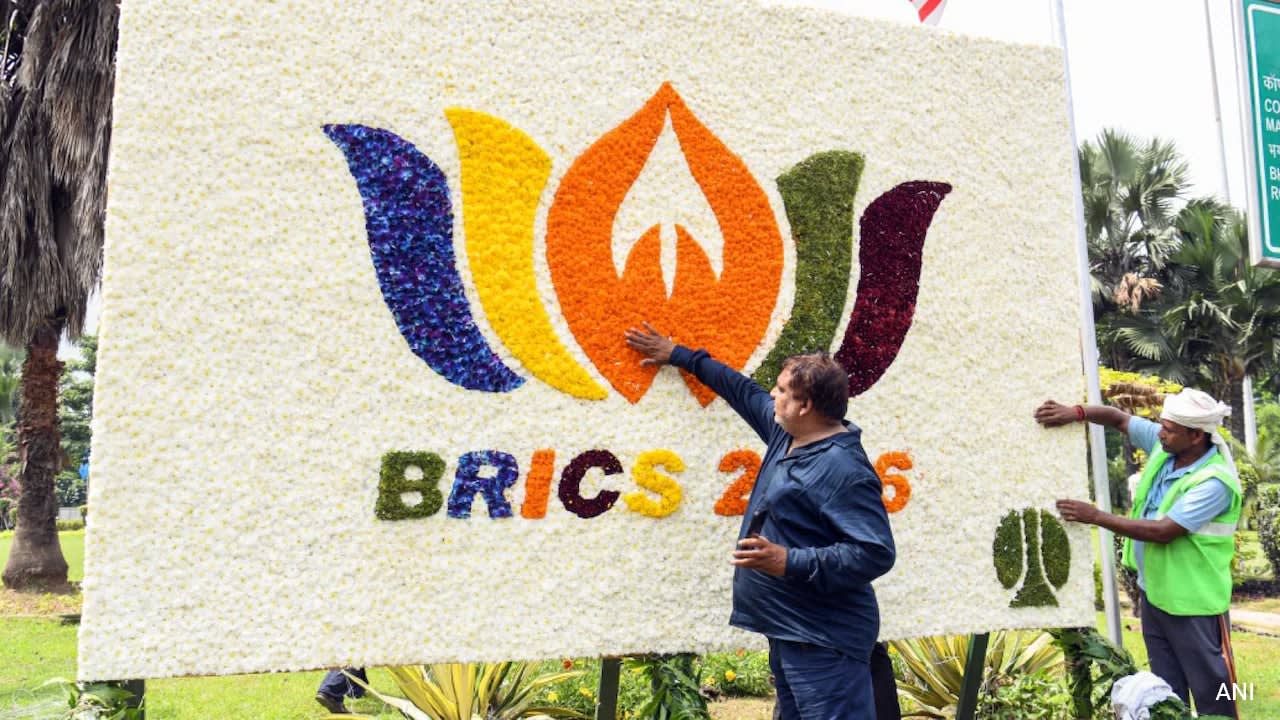
The term BRIC was first introduced by Goldman Sachs economist Jim O'Neill in 2001 to identify emerging global economic powers. Since then, the bloc has evolved into a significant geopolitical entity, though it faces ongoing structural and strategic challenges.
The Genesis of an Economic Powerhouse
The acronym 'BRIC'—comprising Brazil, Russia, India, and China—was famously coined by Goldman Sachs Chief Economist Jim O'Neill in 2001. At its inception, the term was intended as an analytical tool to highlight the shifting center of gravity in the global economy. O'Neill identified these four nations as the primary engines of future growth, predicting that their combined economic output would eventually rival that of the G7 nations. This initial conceptualization served as a catalyst for these nations to begin viewing themselves as a collective entity with shared interests in global financial reform.
From Analytical Concept to Geopolitical Bloc
What began as an investment research framework rapidly transitioned into a formal diplomatic forum. The transition from a theoretical construct to a political bloc occurred in the mid-2000s, as the leaders of these nations recognized that their individual economic trajectories were increasingly tethered to their collective influence. By forming a formal coalition, these nations sought to challenge the post-World War II financial architecture, which they perceived as being dominated by Western interests, particularly the International Monetary Fund and the World Bank.
The Expansion and Internal Dynamics
As the group matured, it evolved into BRICS, incorporating South Africa into its fold. This expansion signaled the bloc's desire to represent the broader 'Global South.' However, the evolution of BRICS has not been without friction. The internal dynamics of the group are complex, as member nations maintain distinct political systems, varying economic goals, and at times, competing regional interests. These divergences often complicate the bloc's ability to reach consensus on critical global issues, ranging from trade policy to security arrangements.
Structural Challenges and Institutional Hurdles
The fundamental challenge facing BRICS today lies in reconciling the disparate needs of its members. While the group has successfully established the New Development Bank (NDB) as an alternative to traditional Western-led financial institutions, it continues to grapple with the economic volatility of its constituents. Commodity dependency, political instability in certain regions, and varying levels of technological integration remain significant barriers to the bloc achieving a truly unified economic front.
Future Outlook for the BRICS Alliance
Looking ahead, the relevance of BRICS will likely be defined by its ability to navigate the complexities of a multipolar world. The group faces pressure to expand its membership further, a move that could enhance its global legitimacy but potentially dilute its decision-making efficacy. As global trade patterns shift and geopolitical tensions rise, BRICS will need to decide whether to remain a loose coalition of convenience or evolve into a more tightly integrated political and economic union. Its history, rooted in the 2001 Goldman Sachs analysis, confirms that it remains a primary vehicle for nations seeking to rebalance global power.
Verification Required?