Extra £250m to boost Jewish community safety
Source Entity
BBC News
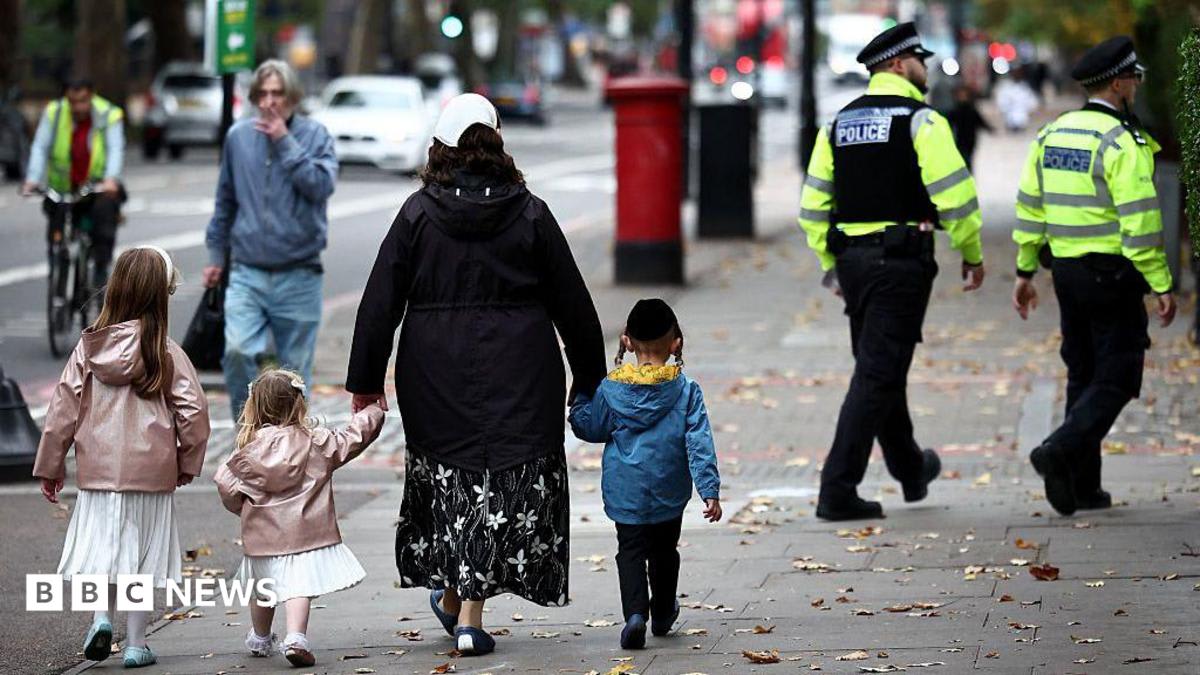
Police forces are to receive extra funds to help increase protection in Jewish communities.
Strengthening Community Security: Analysis of the £250m Funding Boost
The announcement of an additional £250 million allocated to police forces for the protection of Jewish communities represents a significant financial commitment to public safety and the prevention of hate crimes. This funding is designed to provide a robust layer of security for a community that has increasingly found itself at the center of targeted hostility. By injecting these resources directly into police forces, the government aims to ensure that synagogues, schools, and community centers are better protected against potential threats, reflecting a proactive approach to safeguarding minority populations.
Historical Context and the Rise of Antisemitism
To understand the necessity of this £250 million investment, one must look at the historical and contemporary trends of antisemitism. In recent years, there has been a documented global surge in antisemitic incidents, often mirroring geopolitical tensions. In many urban centers, Jewish institutions have become symbols of vulnerability, necessitating a shift from passive surveillance to active, high-visibility policing. This funding is not merely a reaction to a single event but a systemic response to a persistent pattern of harassment and violent threats that have placed an undue burden on community-led security initiatives.
Operational Implementation and Police Strategy
From an operational standpoint, the allocation of these funds is likely to manifest in several key areas. First, there will be an increase in visible police presence and patrols around high-risk sites, which serves as both a deterrent to offenders and a reassurance to the public. Second, a portion of the funding is expected to be directed toward intelligence-led policing, allowing forces to identify and neutralize threats before they escalate. Furthermore, this investment likely includes specialized training for officers to better recognize, report, and prosecute hate crimes, ensuring that the legal response to antisemitism is as rigorous as the physical security measures.
Broader Societal Implications
Beyond the immediate security benefits, this move carries heavy symbolic weight. By dedicating a specific and substantial sum to the safety of the Jewish community, the state is sending a clear message regarding its intolerance for hate-driven violence. However, this creates a complex societal dynamic; while the funding provides essential safety, it also highlights the precarious nature of existence for minority groups in the current social climate. The reliance on increased policing underscores a reality where community spaces can no longer operate without significant state protection, pointing to a deeper need for social cohesion and educational reform to combat the root causes of prejudice.
Resource Allocation and Efficiency Challenges
While the sum of £250 million is substantial, the effectiveness of the rollout will depend on how police forces distribute these resources. There is a critical need for collaboration between state police and existing community security organizations. If the government funding is used to augment rather than replace these specialized community groups, the result will be a multi-layered security apparatus. The challenge lies in avoiding bureaucratic inefficiency and ensuring that the funds reach the local levels where the threats are most acute, rather than being absorbed into general administrative overheads.
Future Trends in Community Protection
Looking forward, this funding model may set a precedent for how the state handles the protection of other marginalized or targeted communities. As hate crimes evolve—moving from physical attacks to coordinated digital harassment that manifests in the real world—police forces will likely need to pivot toward a hybrid security model. We can expect future iterations of such funding to include more resources for cyber-intelligence and the monitoring of online extremist rhetoric, as the physical security of a building is only as strong as the intelligence used to protect it.
Conclusion
In summary, the £250 million boost to Jewish community safety is a critical and necessary intervention in the face of rising hostility. While the immediate result is a stronger physical shield around vulnerable institutions, the long-term success of this initiative will be measured by whether it leads to a decrease in incidents or simply manages the symptoms of a deeper societal divide. For now, the investment provides a vital safety net, ensuring that the Jewish community can maintain its cultural and religious practices without the constant shadow of fear.