Investigators make progress in hunt for cause of FAA ground stop
Source Entity
US Top News and Analysis
Investigators have successfully replicated a technical failure that caused a nationwide FAA ground stop. While this lab progress is significant, the root cause of the router failure remains under investigation.
Investigating the FAA System Failure
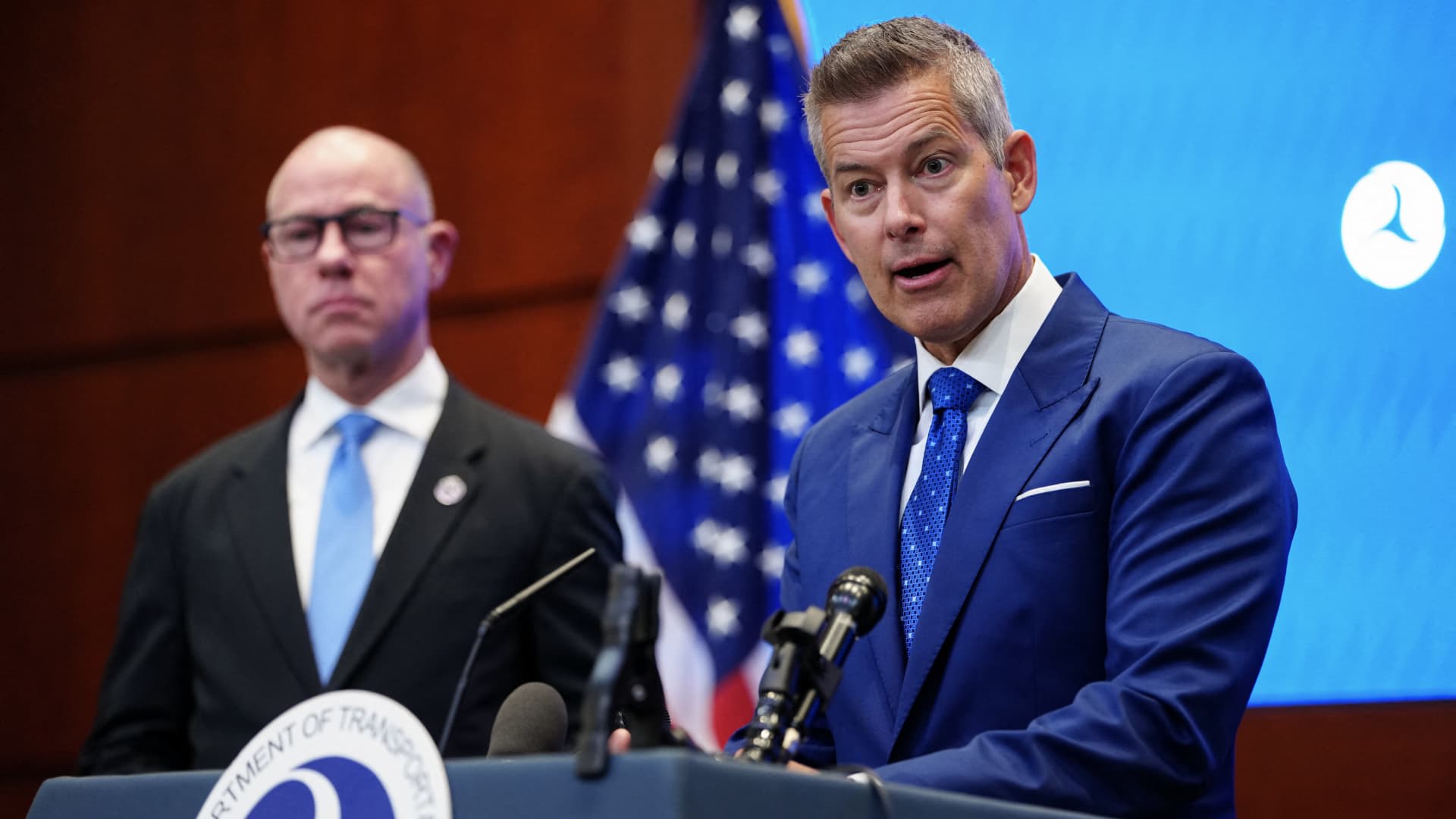
On November 14, 2026, U.S. Transportation Secretary Sean Duffy and FAA Administrator Bryan Bedford addressed the public regarding a significant technical disruption that paralyzed the U.S. aviation network. The event, which necessitated a four-hour nationwide ground stop on the preceding Friday, has sparked an intensive investigation into the resilience of national air traffic infrastructure.
Progress in the Investigation
Recent reports indicate that engineers and analysts have achieved a critical milestone: the successful replication of the technical failure within a laboratory setting in Florida. By recreating the conditions that overwhelmed specific segments of the air traffic system, investigators have moved beyond theoretical modeling to observable data. This breakthrough is essential for understanding how the system’s architecture reacted under stress.
The Challenge of Root Cause Analysis
Despite the ability to simulate the event, the investigation faces a persistent hurdle. While the team has identified that two specific routers were at the heart of the system failure, the underlying reason for their simultaneous malfunction remains elusive. Determining the 'why'—whether it was a software bug, a hardware defect, or a configuration error—is the primary focus of the current phase of the inquiry.
Broader Implications for Aviation Infrastructure
This incident highlights the inherent vulnerabilities in the modernized air traffic control network. As the aviation industry increasingly relies on complex, interconnected digital systems, the margin for error narrows. The FAA must now balance the need for rapid technological advancement with the mandate for absolute system stability. The outcome of this investigation will likely dictate future procurement and maintenance standards for critical aviation hardware.
Historical Context and Future Trends
Historically, the FAA has managed complex systems that require near-perfect uptime, but the scale of this ground stop underscores the fragility of legacy hardware integration. Moving forward, we can expect a shift toward more robust, redundant network architectures. The FAA will likely implement stricter stress-testing protocols to ensure that individual router failures do not cascade into nationwide service interruptions.
Conclusion
The ongoing investigation is a testament to the complexity of maintaining modern national infrastructure. While the ability to replicate the failure is a positive development, the aviation community remains in a state of heightened vigilance. As Secretary Duffy and Administrator Bedford continue to oversee the process, the findings will be pivotal in preventing future disruptions and restoring public confidence in the reliability of the national air traffic system.