Families fly to Nepal in search for 33 missing British nationals
Source Entity
BBC News
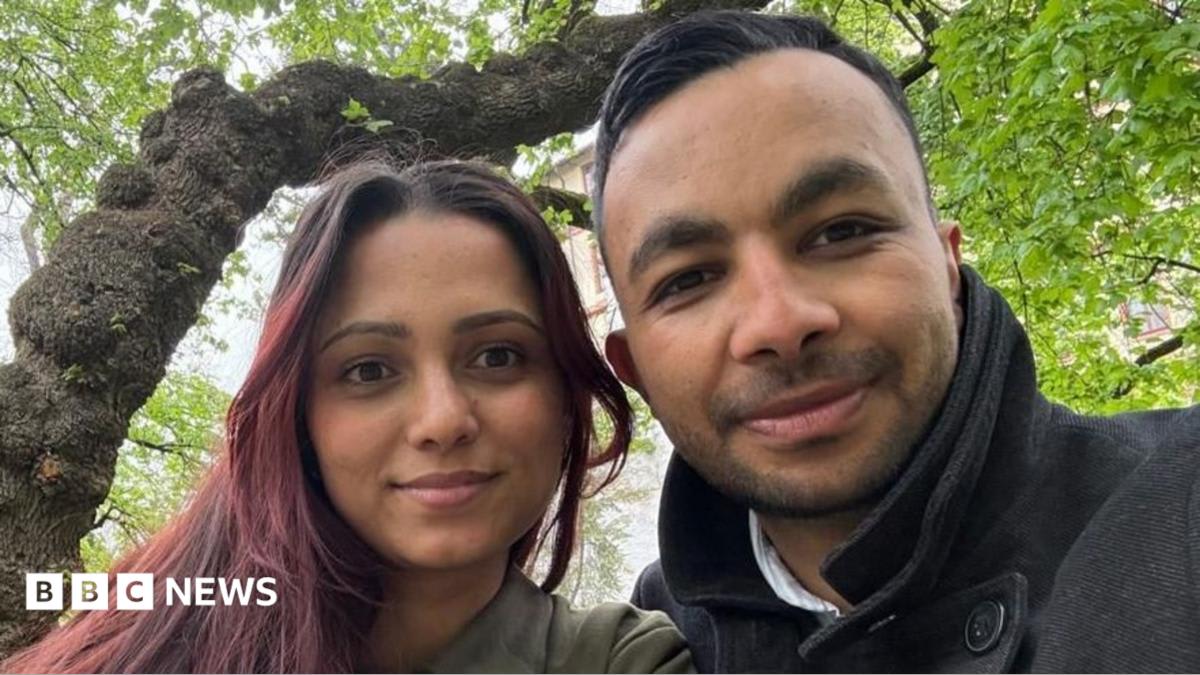
Families are traveling to Nepal as rescue efforts persist for 33 missing British nationals following devastating floods. Among those unaccounted for are children and healthcare professionals, with relatives sharing harrowing accounts of the disaster.
The Humanitarian Crisis in Nepal: A Search for the Missing
Recent catastrophic flooding in Nepal has triggered an urgent international search operation as 33 British nationals remain missing. The scale of the tragedy is underscored by the diversity of those unaccounted for, which includes entire family units, healthcare professionals, and minors as young as 13 and 14 years old. As rescue teams navigate the treacherous terrain and debris left by the floods, families of the missing have begun traveling to the region, driven by the desperate hope of locating their loved ones amidst the unfolding chaos.
The Human Cost and Personal Narratives
The narrative of this disaster is defined by the deeply personal accounts emerging from the affected areas. Fishtail Tours and Travels has confirmed that 27 of their clients are among the missing, including Leena Bector of Slough. Her husband, Bhupesh Bector, has publicly expressed his commitment to being on the ground, highlighting the harrowing limbo families face while waiting for official updates. Similarly, Essex nurse Rajendra Pudasaini has provided a harrowing account, detailing how several of his relatives were swept away by the sheer speed and force of the floodwaters, illustrating the sudden and overwhelming nature of the event.
Impact on the British Healthcare Community
Beyond the individual tragedies, the incident has had a profound impact on the United Kingdom's healthcare community. Reports confirm that Sarada Simkhada, a senior nurse at Darent Valley Hospital in Kent, is among those missing. The loss—or potential loss—of such dedicated professionals in a foreign disaster emphasizes the global reach of these incidents. Local officials and community leaders are now grappling with the news, as the search efforts continue to face logistical challenges due to the damaged infrastructure and environmental instability caused by the floods.
The Challenges of Search and Rescue Operations
Search and rescue operations in mountainous and flood-prone regions like Nepal are notoriously difficult. The rapid influx of water, capable of sweeping away entire groups of people in seconds, complicates the efforts of local authorities and international search teams. The terrain, already prone to landslides and erosion, becomes even more unpredictable following heavy rainfall. As rescue teams continue to comb the areas where these 33 individuals were last seen, the focus remains on navigating these physical obstacles while managing the immense psychological toll on the families waiting for word.
Broader Implications and Future Outlook
This tragedy serves as a stark reminder of the risks associated with international travel in regions susceptible to extreme weather events. As the climate continues to change, the frequency and intensity of such floods may increase, placing further strain on tourism-reliant economies and the emergency response networks that support them. The ongoing crisis necessitates a coordinated international response to ensure that the search is as comprehensive as possible, while also prompting a re-evaluation of safety protocols for travelers visiting high-risk geographical zones. The international community remains in a state of vigil, awaiting news on the fate of the missing as the rescue operation presses forward.