5.1 earthquake hits China, Nepal sounds fresh flood alert; Trishuli area evacuated again
Source Entity
Latest News: Todays Latest News Headlines from India & World | Hindustan Times | Hindustan Times
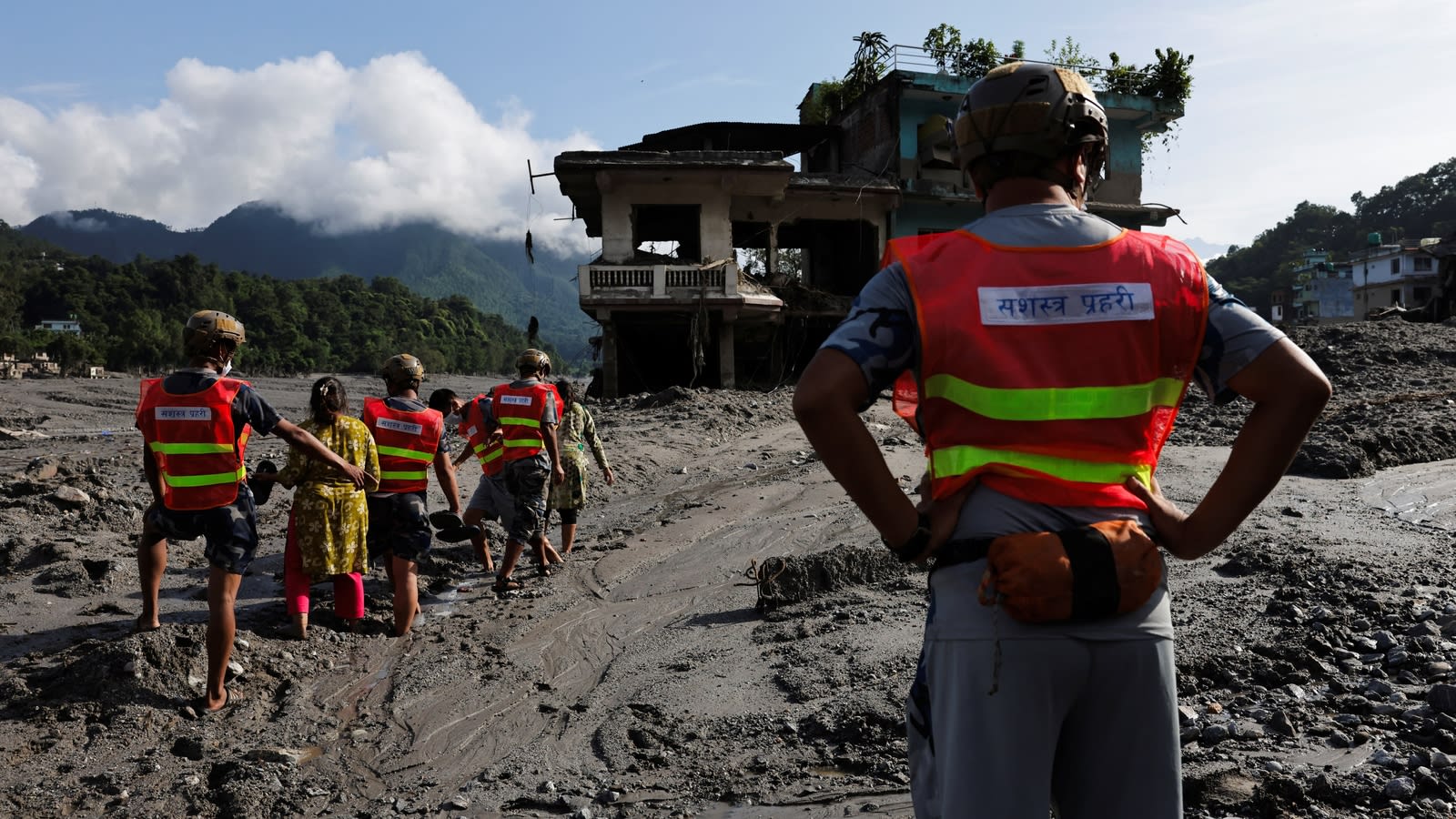
China has formally rejected claims by Nepal that a failed dam on the Chinese side caused devastating floods, citing an earthquake-induced glacier collapse instead. Tensions remain high as both nations grapple with the aftermath of natural disasters in the sensitive border region.
Diplomatic Friction Over Border Disasters
The recent exchange between Beijing and Kathmandu regarding the causes of catastrophic flooding along the Gyirong-Rasuwagadhi border highlights the precarious nature of transboundary water management and disaster communication. Following widespread reports suggesting that a 'geological disaster dam' on the Chinese side of the border had collapsed, the Chinese embassy in Nepal issued a firm rebuttal. Beijing characterized these allegations as 'fake news,' asserting that the destruction was not the result of human-made infrastructure failure, but rather a natural seismic event.
Disputed Origins of the Floods
At the core of the disagreement are two conflicting narratives regarding the trigger of the devastation. Nepal’s perspective has been fueled by concerns that a barrier lake or dam failure within Chinese territory exacerbated the flooding. Conversely, China maintains that an earthquake—or an earthquake-like glacial collapse—occurred on the morning of August 26. According to the Chinese account, this event initiated massive mudslides that affected both sides of the border, leading to significant casualties and missing persons in the region.
The Role of Glacial Lake Outbursts
Scientific context provides a layer of complexity to this diplomatic standoff. Reports indicate that an avalanche of ice and rock, potentially stemming from a glacial lake outburst, played a critical role in the flooding. In the Himalayas, such outbursts are increasingly common due to climate-driven glacial retreat, creating unstable 'barrier lakes' that pose a constant threat to downstream communities. The ambiguity surrounding whether these barriers are natural or exacerbated by construction makes the verification process difficult for local authorities.
Communication and Early Warning Failures
Beyond the physical cause of the disaster, a major point of contention involves the alleged lack of early warning. The Nepali side has questioned why information regarding potential threats was not communicated more effectively before the situation escalated. China’s response, which included the mobilization of specialized fire and rescue teams from Beijing, emphasizes a desire to shift the narrative from blame to cooperative recovery. The statement 'Accusation helps nothing' serves as a clear signal from Beijing that it intends to prioritize disaster management over diplomatic finger-pointing.
Future Implications for Border Cooperation
This incident underscores the urgent need for a more robust, bilateral disaster risk reduction (DRR) framework between China and Nepal. As climate change accelerates the risk of glacial lake outbursts, the lack of a real-time, transparent data-sharing mechanism for transboundary rivers leaves both nations vulnerable. Moving forward, the effectiveness of future relief efforts will depend on whether both countries can transition from reactive, defensive rhetoric to a proactive, integrated monitoring system that accounts for the volatile geography of the Tibet-Nepal border.
Multiple Citing Sources
Verification Required?