Six months into Iran war, Donald Trump says he’s in no hurry to end it
Source Entity
Latest News: Todays Latest News Headlines from India & World | Hindustan Times | Hindustan Times
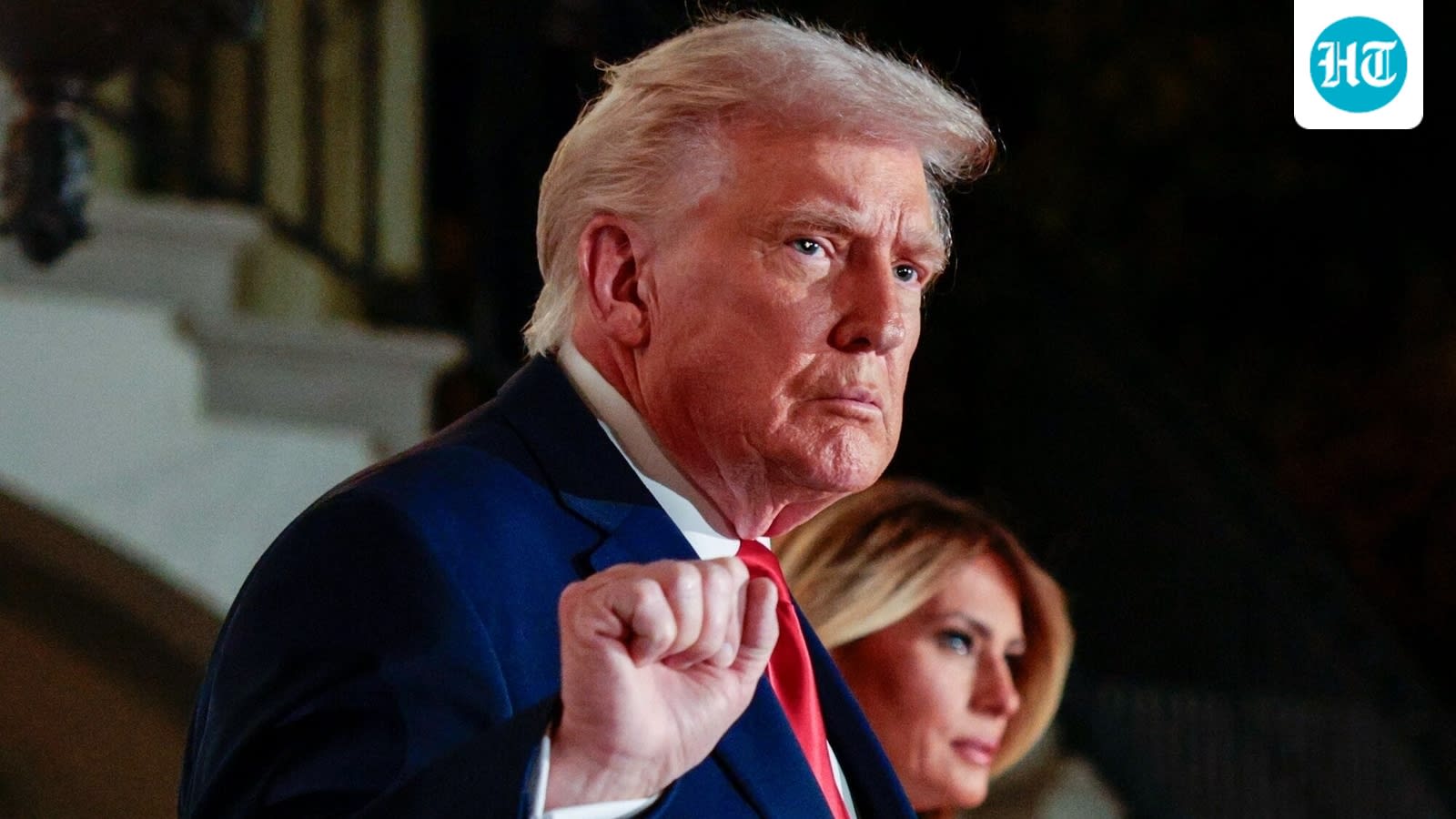
Six months into the U.S.-Israel conflict with Iran, the war has devolved into a costly stalemate, causing the Trump administration to shift from military operations to economic pressure. Despite initial projections of a short campaign, the conflict continues to threaten global shipping and U.S. military readiness.
The Iran Conflict: Six Months of Strategic Stagnation
Six months have passed since the United States and Israel launched major combat operations against Iran, an intervention initially projected by the Trump administration to conclude within four to six weeks. Instead, the conflict has settled into a protracted and costly stalemate, fundamentally altering the geopolitical landscape of the Middle East. The death of Iran’s supreme leader and the injury of his successor during the initial phases of the war failed to produce the rapid collapse of the Iranian state that many planners had anticipated.
From Kinetic Warfare to Economic Siege
As the initial military objectives remain unfulfilled, the White House has pivoted its strategy, moving away from reliance on heavy munitions toward what President Donald Trump has termed an "economic D-Day." This shift is, in part, a pragmatic response to the depletion of U.S. munitions stockpiles after months of sustained combat. The administration is now leveraging the threat of sanctions against any entity or nation that continues to maintain commercial ties with Tehran, attempting to force a resolution through financial asphyxiation rather than direct military engagement.
The Impact on Global Stability and Readiness
This prolonged engagement has raised significant concerns regarding U.S. military readiness in other theaters of operation globally. The drain on resources, combined with the ongoing inability to secure the Strait of Hormuz—where commercial vessels continue to face persistent threats of attack—has created a climate of deep uncertainty. The failure to secure these critical waterways has disrupted global supply chains and kept market volatility high as investors adjust to a conflict with no clear end in sight.
A Fading Vision of a Quick Conclusion
President Trump’s earlier rhetoric regarding a "quick end" to the war has noticeably softened as the realities of the standoff become entrenched. While the administration maintains that its campaigns of blockade and bombardment have severely devastated Iran’s leadership and military apparatus, the objective of a decisive victory remains elusive. The collapse of peace talks further underscores the hardening of positions on both sides, suggesting that the war has entered a phase of attrition.
Future Outlook and Geopolitical Implications
Looking forward, the trajectory of this war remains unpredictable. The transition to an economic-first strategy indicates that the U.S. is preparing for a long-term siege rather than a swift resolution. As both the domestic impact of the war and the international pressure on trading partners grow, the administration faces an awkward political moment. The challenge for the U.S. will be balancing the need for a definitive conclusion to the conflict with the mounting exhaustion of military and economic resources, as the war continues to defy the original, overly optimistic timelines.
Verification Required?