'25,000 CCTVs, 0 Arrests': Faridabad Man Seeks Answers After Father's Death
Source Entity
NDTV News Search Records Found 1000
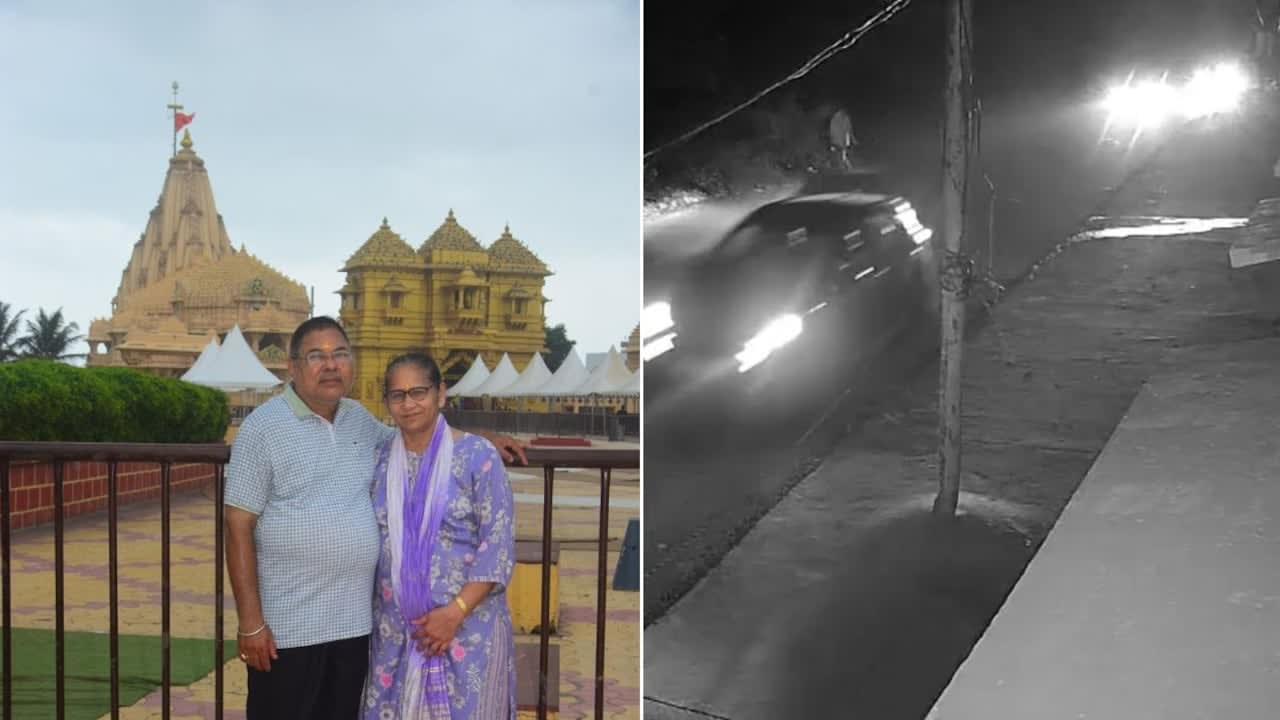
A Faridabad resident is demanding answers regarding his father's death, citing a lack of progress despite extensive surveillance. Local police have confirmed that a Mevla Maharajpur resident named Brijesh has been called in for questioning as part of the ongoing investigation.
The Quest for Justice: A Faridabad Family’s Struggle
The recent case emerging from Faridabad has highlighted the profound frustration of a grieving son seeking closure following his father's death. Despite the presence of an expansive surveillance network—reportedly encompassing 25,000 CCTV cameras—the investigation has yet to yield a single arrest. This stark discrepancy between the availability of modern technological infrastructure and the tangible outcomes of a criminal investigation raises significant questions about the efficacy of current forensic and surveillance protocols in local law enforcement.
The Role of Surveillance in Modern Policing
In an era where urban centers are increasingly monitored by high-density CCTV networks, the public expectation for rapid crime resolution has grown exponentially. However, this case suggests that the mere presence of hardware does not guarantee investigative breakthroughs. The reliance on digital evidence requires not only a vast network of cameras but also the sophisticated analytical capacity to process, review, and correlate footage in real-time, a challenge that remains a persistent hurdle for many municipal police departments.
Investigation Dynamics and Preliminary Steps
Central to the ongoing inquiry is the involvement of Brijesh, a resident of Mevla Maharajpur. The police have confirmed that he has been called in for formal questioning as part of their efforts to reconstruct the events surrounding the death. While such interrogations are standard procedural steps, the family’s public outcry underscores the tension between the slow, methodical pace of police work and the urgent human need for accountability and transparency.
Broader Implications for Local Law Enforcement
The situation in Faridabad serves as a microcosm for the challenges faced by police departments in rapidly urbanizing areas. As crime patterns evolve alongside population density, the pressure on investigators to utilize technical assets effectively becomes paramount. This incident will likely necessitate a review of how surveillance data is managed and how investigative leads are prioritized to ensure that families are not left in a state of indefinite uncertainty.
Future Trends and Judicial Expectations
Moving forward, the effectiveness of the Faridabad investigation will likely be scrutinized by both the public and local authorities. There is an increasing trend toward integrating AI-driven analytics into existing CCTV frameworks to help identify suspects more efficiently. The outcome of this specific case may influence future policy decisions regarding the investment in, and maintenance of, these surveillance systems, ultimately shaping how justice is delivered in the digital age.
Verification Required?