Rs 50-lakh cancer drug racket: Seller, Afghan buyer on Faridabad doctor’s client list
Source Entity
Pragynesh
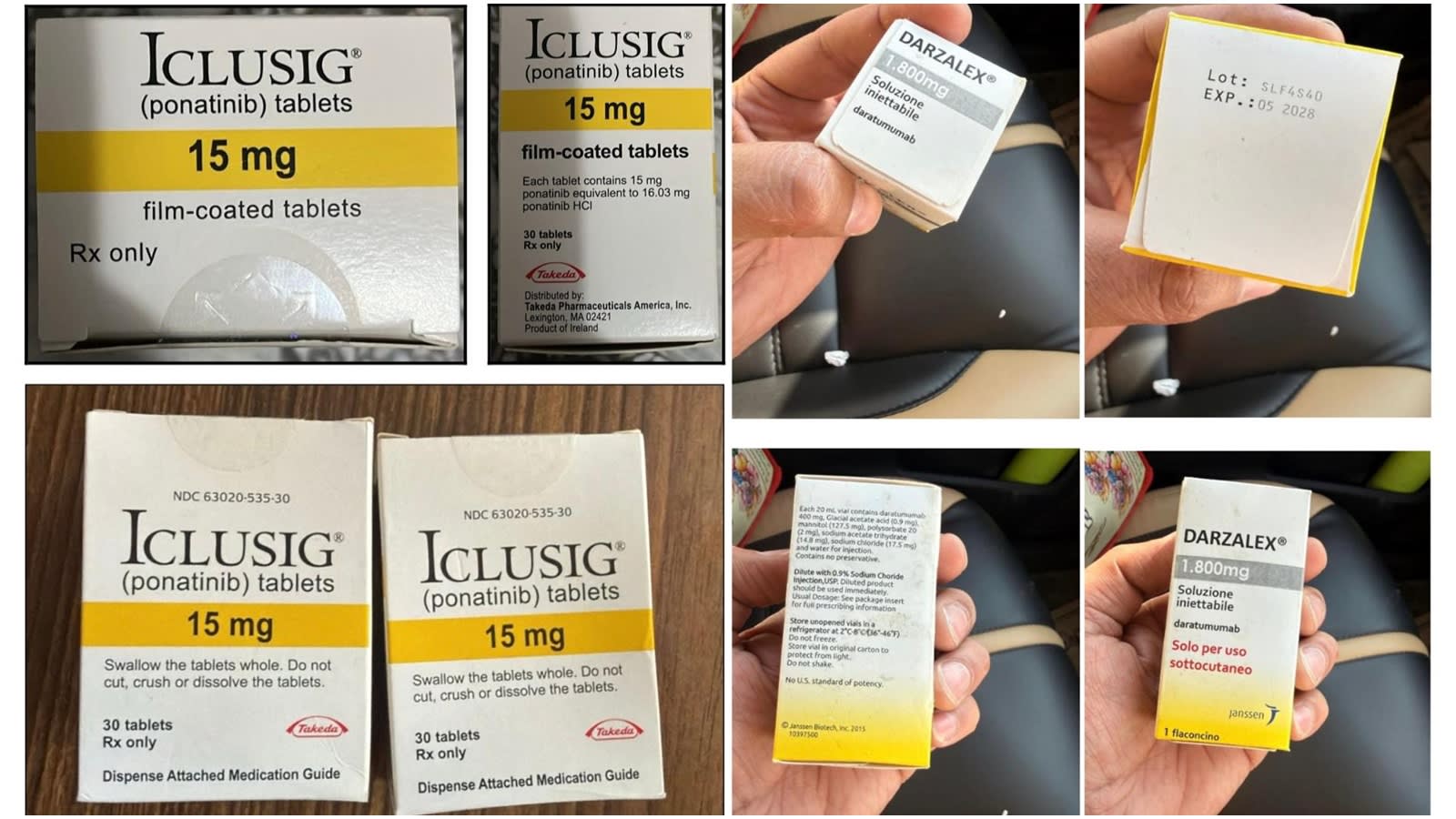
Delhi Police have uncovered an illegal drug racket involving Dr. Manish Sharma, who allegedly trafficked the unapproved cancer drug Iclusig. The investigation reveals a sophisticated network operating via online portals to supply restricted, high-value medication to international buyers.
The Unfolding of an Illegal Pharmaceutical Syndicate
A recent investigation by the Delhi Police has brought to light a sophisticated and illicit pharmaceutical racket operating out of Faridabad, Haryana. At the center of the controversy is Dr. Manish Sharma, who allegedly utilized the IndiaMART portal to facilitate the trade of Iclusig (ponatinib), a potent blood cancer medication that is currently not approved for formal sale within India. The case highlights the dangerous intersection of desperate patient needs and criminal exploitation within the digital pharmaceutical marketplace.
The Mechanics of the Racket
The illicit operation began when a patient, having failed to find relief with three other medications, secured Iclusig through a US-based patient assistance program. Upon finding that the drug did not suit his specific medical needs, the patient sought to offload the expensive medication. Dr. Sharma, who had been operating an online pharmacy entity known as HK Pharmaceutical since 2023, reportedly purchased these packs for a fraction of their market value—Rs 40,000 for two packs—despite each pack holding a market valuation exceeding Rs 17 lakh.
Regulatory Gaps and Digital Vulnerabilities
This incident exposes significant vulnerabilities in the oversight of online B2B and B2C portals. By establishing a professional facade as a legitimate pharmacy on a major portal, Dr. Sharma was able to operate under the guise of legality while trafficking restricted substances. The fact that an unapproved, high-value drug could be moved through these channels for over a year suggests a systemic failure in the vetting and monitoring protocols of digital trading platforms, which are often exploited by bad actors to bypass stringent drug control regulations.
The Human Cost and Global Reach
The gravity of this situation is underscored by the involvement of international actors, including buyers from Afghanistan, who relied on this underground network to access life-saving medication. When controlled substances or unapproved drugs are diverted into the grey market, it not only poses a direct health risk to consumers who lack medical supervision but also undermines the global pharmaceutical supply chain. The disparity between the price paid by the trafficker and the high market value of the drug highlights the extreme profit margins that incentivize such criminal behavior.
Future Implications for Indian Pharmaceutical Oversight
Moving forward, this case is likely to prompt a regulatory crackdown on how online pharmacies are listed and monitored in India. The Delhi Police's investigation serves as a stark reminder that the digital transformation of the pharmaceutical sector must be accompanied by robust, real-time tracking mechanisms. If regulatory bodies do not tighten the scrutiny on entities operating via digital portals, the risk of counterfeit or illegally diverted medications infiltrating the domestic and international markets will continue to escalate, threatening both public health and the reputation of the legitimate Indian pharmaceutical industry.