Braving the odds: Parents of differently abled children in Keralam search for a bright spot
Source Entity
India Latest News: Top National Headlines Today & Breaking News | The Hindu
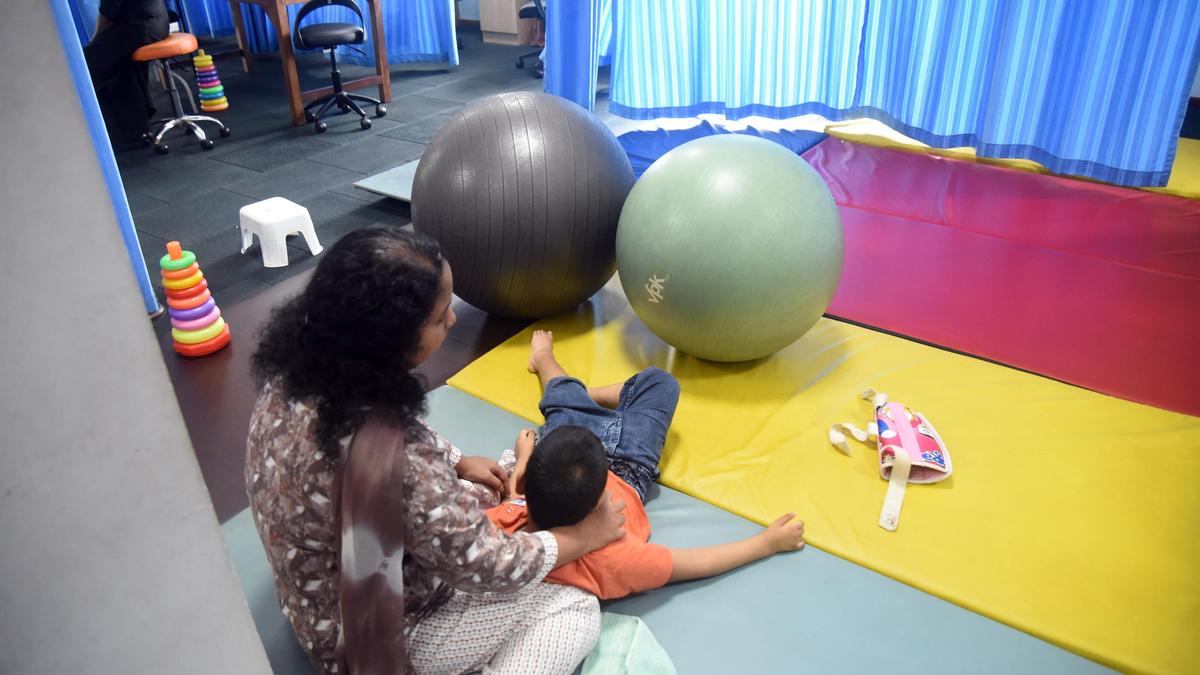
Parents of differently abled children in Kerala continue to struggle with inadequate support systems a decade after the Rights of Persons with Disabilities Act. The narrative highlights the severe lack of accessible care options and the reliance on informal community support networks.
The Unseen Struggle: Parental Caregiving in Kerala
Despite the passage of the Rights of Persons with Disabilities Act over a decade ago, the ground reality for families of differently abled individuals in Kerala remains fraught with systemic challenges. As documented by A. S. Jayanth, the narrative of parents like Rani Mahesh underscores a persistent gap between legislative intent and the actual availability of support services. For these families, the simple act of seeking medical care for a spouse can transform into a logistical and emotional crisis when there is no safety net for their children.
The Failure of Institutional Support
The case of Rani Mahesh, a mother from Koyilandy, illustrates the heart-wrenching dilemmas faced by caregivers. When faced with a medical emergency involving her husband, the absence of reliable, accessible care for her child with cerebral palsy forced her into a state of acute distress. This highlights a critical failure in the social infrastructure: the lack of respite care or emergency support systems that should have been strengthened following the 2016 legislative changes. When institutional support is absent or unknown to the public, parents are left to navigate a labyrinth of uncertainty alone.
Informal Networks as a Last Resort
In the vacuum left by the state, informal networks of solidarity have emerged as the primary lifeline for these families. The intervention of P.K. Jameela, who stepped in to assist with the care of Rani’s child, serves as a poignant example of communal empathy. This dynamic, while heartwarming, also points to a systemic fragility; it suggests that the burden of care is being shifted onto fellow parents who are already struggling with the demands of raising differently abled children themselves, rather than being addressed through professionalized, state-sponsored frameworks.
Legislative Disconnect and Implementation Gaps
The Rights of Persons with Disabilities Act was intended to foster an inclusive environment, yet the lived experience of these families suggests that the promise of the law has not fully materialized in the domestic sphere. The gap between policy formulation and implementation in local districts remains wide. While the Act provides a legal framework for rights, the lack of accessible, trustworthy, and affordable private or public care homes leaves parents in a constant state of anxiety, fearing for the future of their children if they themselves become incapacitated.
Future Trends and Societal Needs
Moving forward, the focus must shift from merely enacting laws to creating tangible, community-integrated support systems. To prevent the isolation of caregivers, Kerala must look toward scaling up respite care facilities and establishing clear, accessible databases for parents in need. Without structural interventions that prioritize the mental and physical well-being of the caregivers, the cycle of struggle for families of differently abled children will likely persist, leaving them to rely solely on the kindness of strangers rather than the security of a robust, inclusive state mechanism.
Verification Required?