The Nalagarh trail: How terror handlers turned Punjab’s vulnerable youth into foot soldiers
Source Entity
Saurabh Parashar
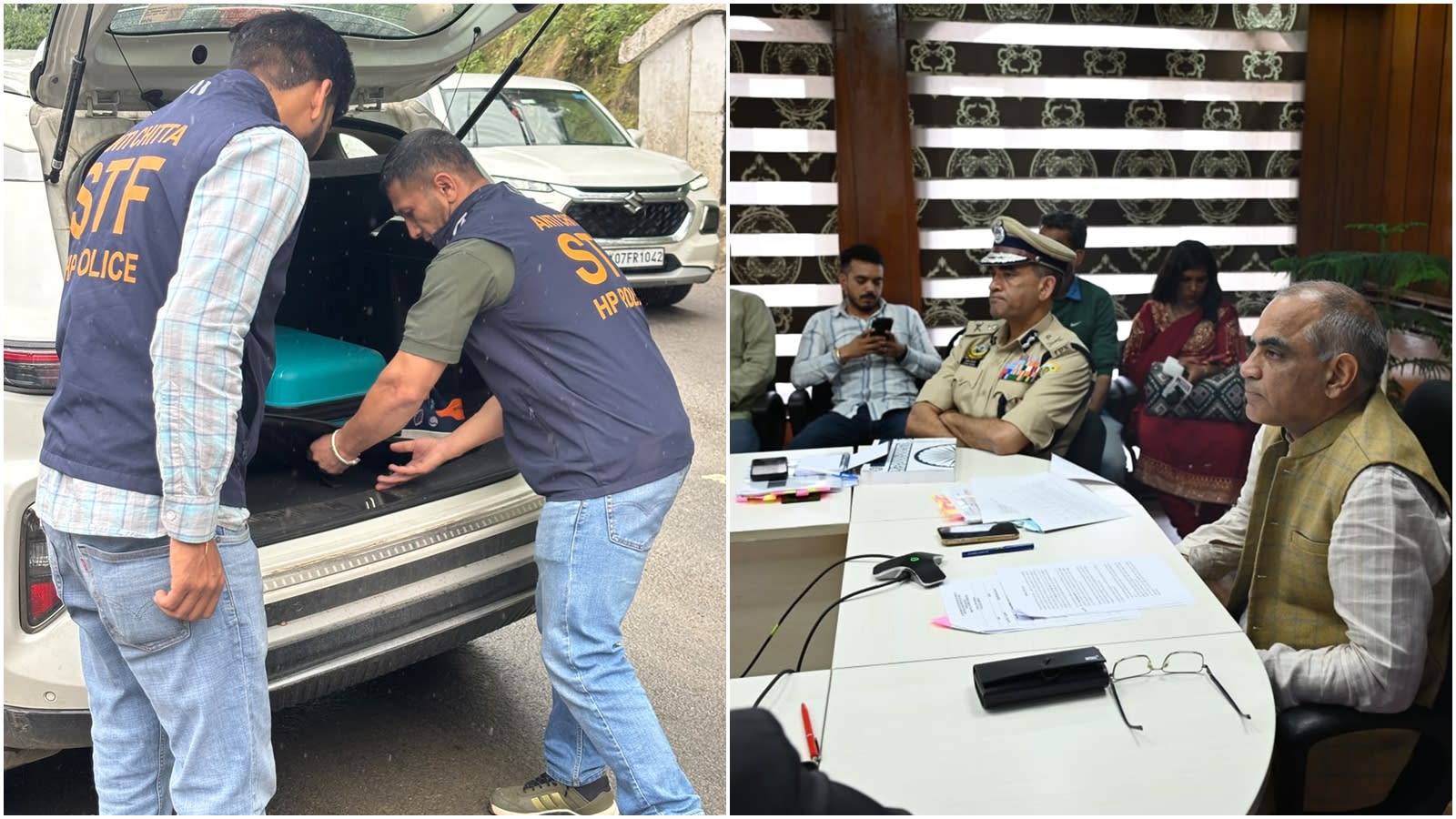
A January 1, 2026, IED explosion in Nalagarh has exposed a disturbing trend of terror handlers recruiting vulnerable Punjab youth. The attack marks a shift in regional security as authorities investigate links to banned Khalistani outfits.
The Nalagarh Incident: A Strategic Shift in Regional Terror
On January 1, 2026, the quiet industrial town of Nalagarh, Himachal Pradesh, became the focal point of India’s counter-terrorism efforts. At 9:40 AM, a powerful improvised explosive device (IED) detonated, shattering the morning calm and causing significant structural damage to local infrastructure, including a police station and an under-construction building designated for the Retired Army Personnel Association. This event has forced security agencies to re-evaluate the vulnerability of the region, which serves as a critical gateway between industrial hubs and the Himalayan corridors.
Historical Context and Strategic Geography
Historically known as a princely state established by Chandel Rajputs, modern-day Nalagarh has evolved into a bustling industrial center. Its geographical proximity to Chandigarh, rather than the distant state capital of Shimla, makes it a unique point of transit. The choice of this location by perpetrators suggests a calculated effort to exploit the town's role as a logistical bridge, potentially aiming to disrupt the socio-economic stability of a region that serves as a vital economic artery for Himachal Pradesh.
The Nexus of Radicalization
Intelligence reports indicate that the blast is not an isolated incident but part of a broader, more insidious trend: the active recruitment of vulnerable youth from Punjab by terror handlers. By utilizing local residents as 'foot soldiers,' these organizations attempt to obscure their external origins and create a veneer of localized unrest. This methodology poses a severe challenge to domestic intelligence, as it leverages the socio-economic grievances of the youth to facilitate attacks on behalf of banned groups like Babbar Khalsa International.
Security Implications and Infrastructure Targets
The targeting of the Retired Army Personnel Association building is particularly significant. By selecting a site associated with military veterans, the perpetrators likely intended to send a symbolic message of defiance against the state apparatus. The blast’s proximity to a police station further underscores an aggressive posture, aiming to diminish public confidence in law enforcement and test the response times of the local counter-terrorism grid.
Future Trends and Counter-Terrorism Outlook
Looking forward, the Nalagarh incident serves as a grim indicator that extremist elements are expanding their operational footprint beyond traditional conflict zones. Security forces must now prioritize the monitoring of industrial corridors and the psychological radicalization of youth in neighboring Punjab. Preventing future attacks will require a dual approach: robust physical security measures to protect critical infrastructure and comprehensive community-level outreach to counter the influence of extremist recruiters who exploit the economic anxieties of the younger generation.