Police fire tear gas as farmers block Delhi-Chandigarh highway at Shahbad
Source Entity
Latest News: Todays Latest News Headlines from India & World | Hindustan Times | Hindustan Times
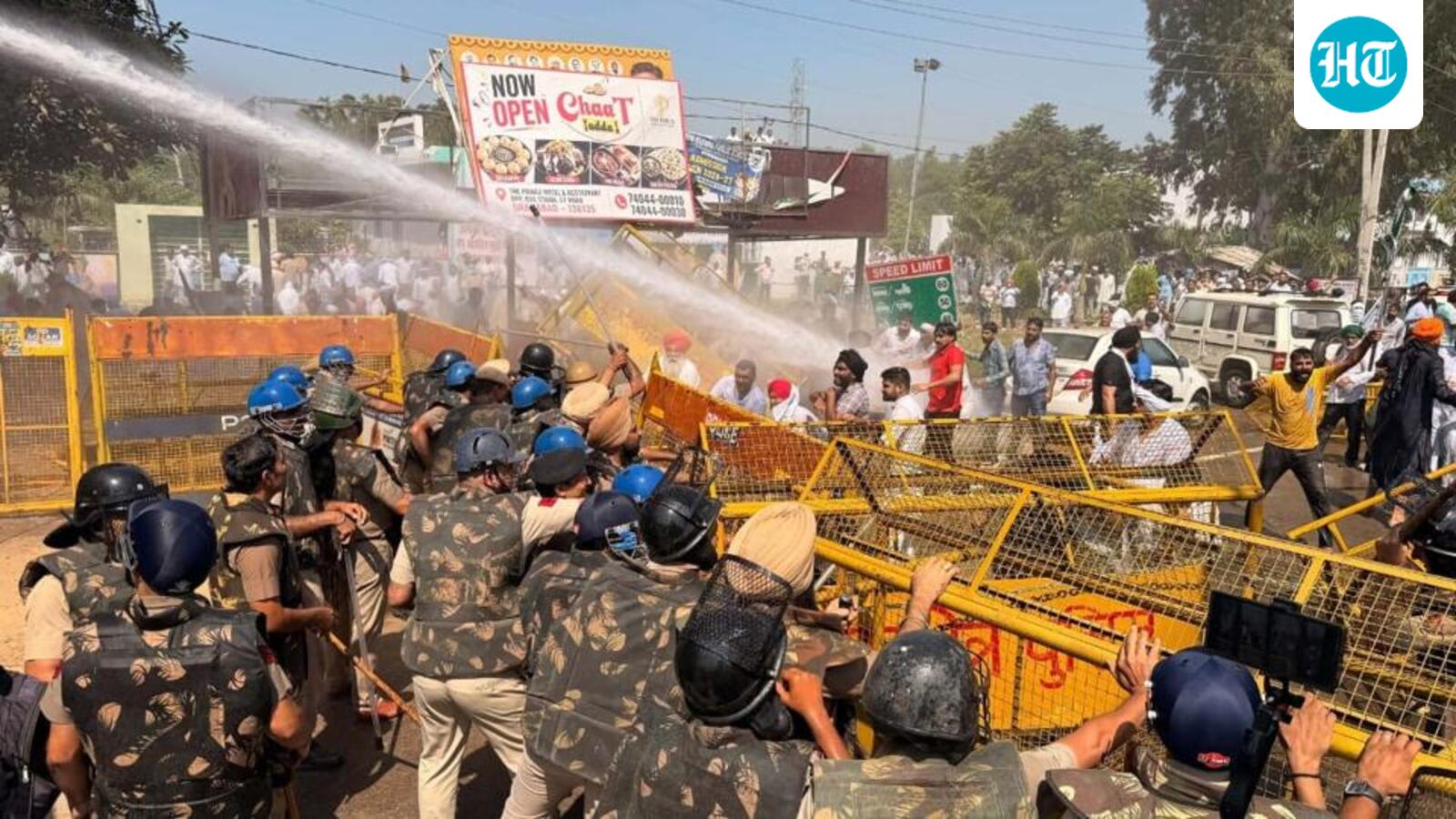
BJP leaders in Telangana and Haryana face police action amid escalating farmer protests over irrigation water and paddy procurement. The incidents highlight growing tensions between opposition parties and state administrations regarding agricultural policies.
Escalating Agricultural Unrest: Analyzing Recent Farmer Protests
The Telangana Crisis: Irrigation and Political Friction
The recent arrest of Bharatiya Janata Party (BJP) Telangana president N. Ramchander Rao in Jadcherla marks a significant escalation in the state's agricultural discourse. On September 22, 2026, Rao was detained while attempting to reach the Priyadarshini Jurala Project, where farmers have been staging protests demanding the release of irrigation water to prevent the loss of standing crops. This move by the state government has been met with fierce condemnation from senior BJP figures, including Union Minister of State for Home Affairs Bandi Sanjay Kumar and MP D.K. Aruna, who view the detention as an attempt to suppress legitimate grievances regarding water management and crop security.
Haryana’s Highway Standoff
Simultaneously, the agricultural sector in Northern India remains volatile, evidenced by the intense clashes at the Delhi-Chandigarh highway (NH-44) in Shahbad. Members of the Bhartiya Kisan Union (BKU-Charuni), led by Gurnam Singh Charuni, attempted to block the crucial transit artery to press for immediate state paddy procurement. The Haryana Police responded with significant force, deploying water cannons and tear-gas shells to disperse the crowds. The subsequent detention of several union leaders underscores the ongoing struggle between farmer advocacy groups and state authorities over procurement timelines and market support mechanisms.
Broader Political Implications
These two distinct events—one centered on irrigation rights in the south and the other on procurement policies in the north—highlight a recurring pattern of political friction surrounding India’s agrarian economy. When opposition parties like the BJP intervene in local protests, it often transforms local agricultural issues into broader political battles. The state governments, in turn, frequently utilize administrative detentions and police force to maintain public order, inadvertently amplifying the optics of the protests and consolidating opposition narratives against the ruling administration.
Historical Context and Policy Challenges
Historically, the intersection of irrigation management and crop procurement has been the primary flashpoint for rural unrest in India. The demand for water at the Jurala project reflects the precarious nature of monsoon-dependent farming, while the Shahbad highway blockade mirrors long-standing tensions regarding Minimum Support Price (MSP) and state procurement logistics. Both instances demonstrate that farmers are increasingly willing to disrupt national infrastructure to force state intervention, a tactic that has become a hallmark of agricultural activism in the last decade.
Future Trends in Agrarian Activism
Looking ahead, it is likely that these regional protests will continue to challenge state governance models. As climate variability affects water availability and market volatility impacts crop prices, farmers are expected to maintain pressure on political leadership. For the administration, the challenge lies in balancing law and order with the need to address structural agricultural inefficiencies. If state governments continue to rely on detentions and police force without addressing the underlying demands for water and fair procurement, the risk of sustained, multi-state agitation remains high.
Verification Required?