Farmers to protest in Morbi on July 14 against Adani power project
Source Entity
Ritu Sharma
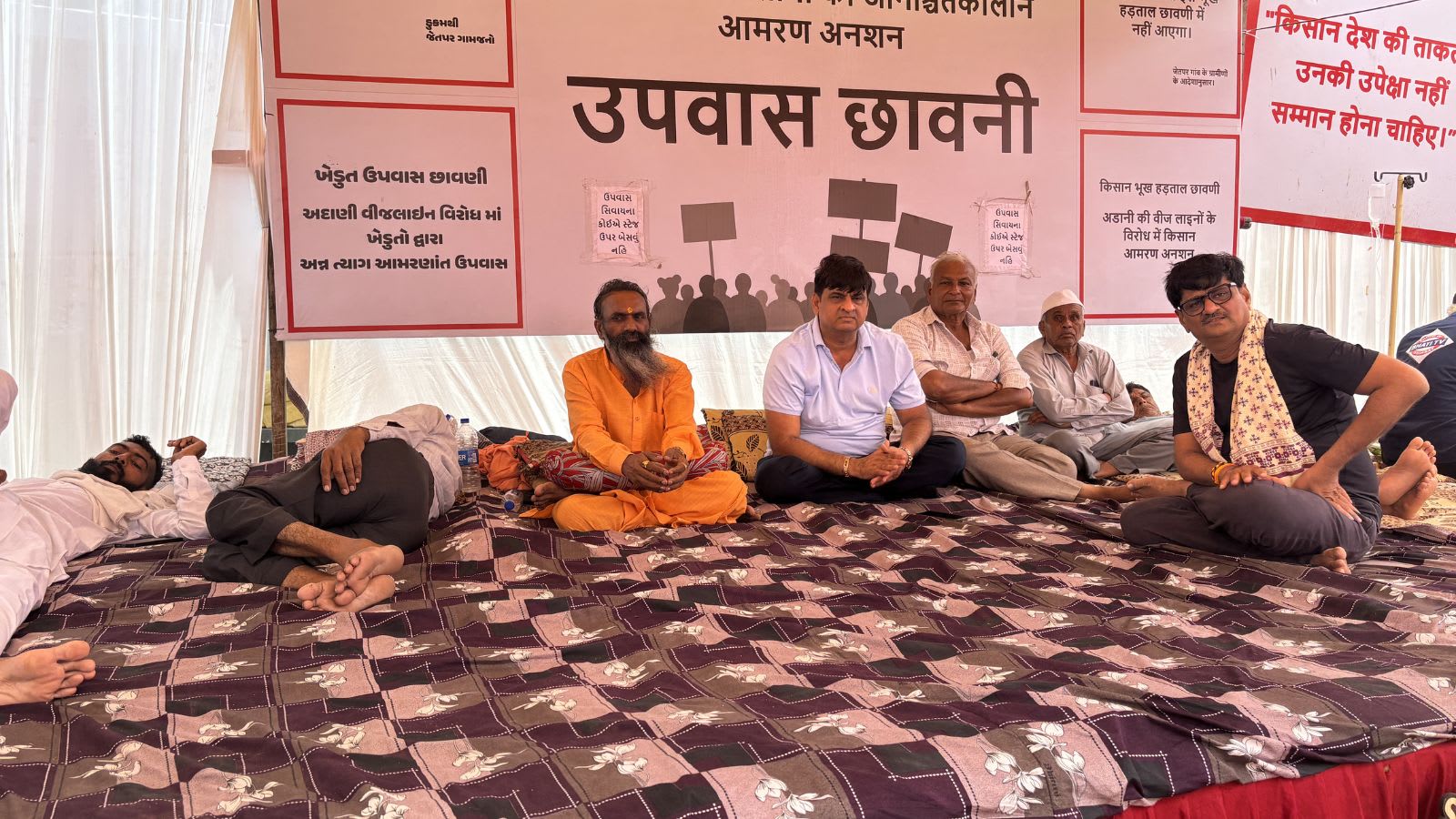
Farmers in Morbi have announced a padyatra on July 14 as part of their ongoing protest at Jetpar village against installation of 756 kV D/c line by Halvad Transmission Limited, a special purpose vehic...
Agrarian Resistance in Morbi: The Fight Against Industrial Encroachment
The agricultural community in Morbi, Gujarat, has reached a critical juncture regarding land usage and industrial expansion. On July 14, local farmers are scheduled to conduct a padyatra—a traditional foot march—at Jetpar village. This organized movement is a direct response to the proposed installation of a 756 kV double-circuit (D/c) transmission line by Halvad Transmission Limited. This event underscores the growing friction between large-scale energy infrastructure development and the preservation of rural livelihoods in one of India's most industrious states.
The Role of Special Purpose Vehicles and Infrastructure
At the center of this dispute is Halvad Transmission Limited, which is operating as a Special Purpose Vehicle (SPV). In the energy and infrastructure sectors, SPVs are typically created to isolate financial risk and manage specific projects efficiently. However, for the farmers of Jetpar, the corporate structure is secondary to the physical impact of the 756 kV line. Such high-voltage transmission lines require significant "Right-of-Way" (ROW) clearances, which often lead to the fragmentation of fertile farmland. The primary grievances usually stem from the perceived inadequacy of compensation and the long-term devaluation of land situated beneath these massive power corridors.
The Padyatra as a Tool for Social Mobilization
The choice of a padyatra as the primary method of protest is both symbolic and strategic. In the Indian socio-political landscape, the padyatra is more than a simple march; it is a powerful tool for grassroots mobilization and visibility. By gathering at Jetpar village, the farmers aim to draw regional and national attention to their plight. This method of protest is designed to exert moral and political pressure on both the corporate entity and the state government, signaling that the local community will not passively accept the imposition of infrastructure that they believe threatens their economic survival.
National Energy Goals vs. Local Land Rights
This clash highlights a recurring theme in India's rapid industrialization: the inherent tension between national energy security and local land rights. While the installation of 756 kV lines is critical for stabilizing the power grid and transporting electricity from generation hubs to industrial centers, the burden of this infrastructure often falls disproportionately on rural populations. Farmers frequently cite concerns over electromagnetic fields (EMF) and the physical obstruction of farming equipment, arguing that the systemic agricultural loss outweighs the one-time payouts offered during land acquisition.
Corporate Influence and Public Scrutiny
The association of this project with the Adani group adds a layer of economic and political complexity to the situation. As one of India's largest conglomerates with extensive interests in power, ports, and logistics, the Adani group's projects often attract intense public and regulatory scrutiny. The protests in Morbi are not isolated incidents but are part of a broader national pattern where local communities challenge the rapid expansion of corporate-led infrastructure, demanding more transparent consultation processes and a more equitable sharing of the benefits derived from such projects.
Future Outlook and Potential Resolutions
Looking forward, the outcome of the July 14 protest will likely dictate the trajectory of the project. If the padyatra successfully mobilizes a significant number of villagers, the Gujarat state government may be forced to intervene as a mediator to prevent prolonged civil unrest. Potential resolutions could include the rerouting of the transmission line to minimize agricultural impact or the implementation of a more generous, long-term compensation model. Conversely, if the project proceeds without local consensus, it could lead to protracted legal battles in the courts, further delaying critical energy infrastructure.
Summary of Implications
In summary, the upcoming protest in Morbi is a microcosm of the struggle between industrial modernization and agrarian stability. The farmers' resolve to march on July 14 serves as a critical reminder that sustainable development requires the alignment of corporate goals with the rights and well-being of the local populace. The resolution of the Jetpar village dispute will serve as a bellwether for how similar infrastructure projects are handled across the region in the coming years.