Special agents' blood and urine test results stolen in FBI hack
Source Entity
BBC News
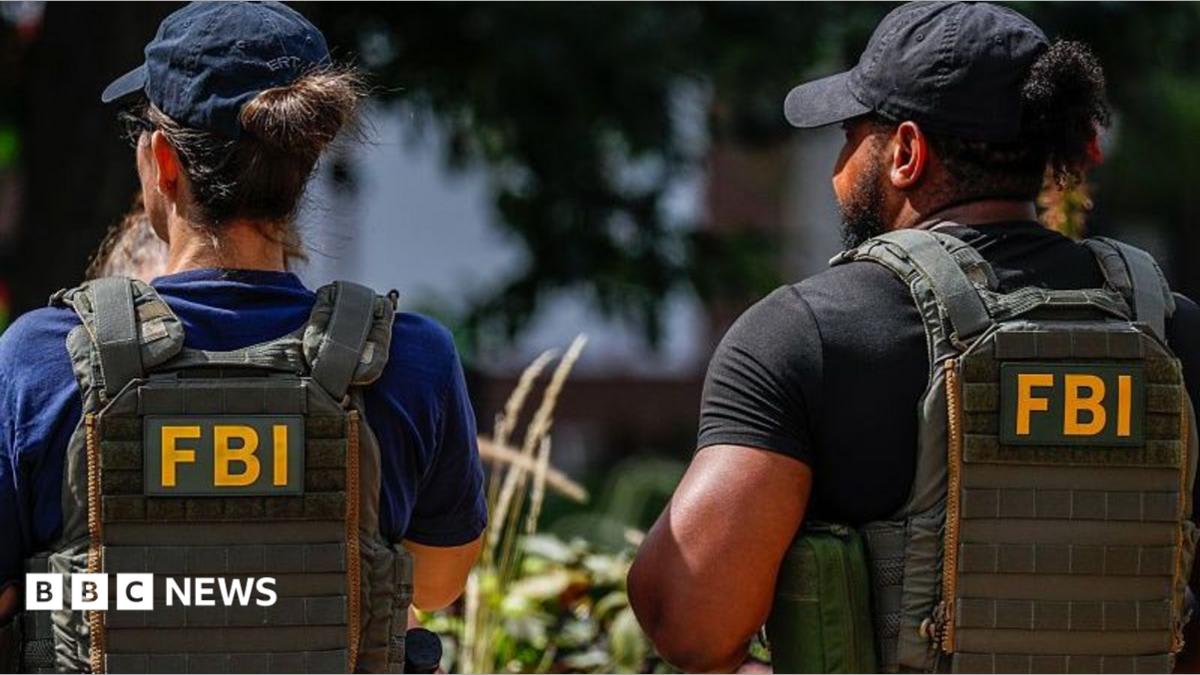
Cyber-criminals have breached FBI systems, stealing sensitive medical data of thousands of agents. The leak, which includes personal details and health records, has sparked fears of blackmail, scams, and physical threats against law enforcement personnel.
The FBI Data Breach: A Grave Security Crisis
A major security breach has compromised the sensitive medical records of thousands of FBI special agents, according to reports verified by the BBC. Cyber-criminals, potentially linked to groups similar to the notorious gang ShinyHunters, claim to have gained access to internal systems, exfiltrating "fitness-for-work" examinations. This data includes PII (Personally Identifiable Information) such as full names and home addresses, alongside intimate medical details ranging from common allergies to more serious health concerns.
Implications for Agent Safety
The nature of the stolen data elevates this incident from a standard corporate breach to a matter of national security. Security experts, including former FBI agent Michael McPherson, emphasize that the exposure of medical records maps specific agents to their private health histories. This creates a high risk for blackmail and targeted social engineering. By leveraging medical information, adversaries could craft highly persuasive phishing attempts or impersonate law enforcement officials, effectively eroding the trust and security protocols essential for federal operations.
The Threat of Physical Retaliation
Perhaps most alarming is the potential for physical violence. Groups associated with these types of breaches have a documented history of engaging in "swatting" incidents and even petrol bomb attacks against law enforcement targets. By exposing the home addresses of agents, the hackers have inadvertently provided a roadmap for bad actors to engage in real-world harassment. The psychological impact on the workforce is profound, as agents who accept the inherent risks of their professional duties now find their families and private lives directly compromised.
Investigating the Breach
While the FBI has acknowledged the breach and stated they are "aggressively investigating" the origins of the attack, the lack of immediate public response has fueled frustration among current and former staff. The breach, which was announced on the group’s darknet site, highlights a systemic vulnerability in how government agencies store sensitive personnel data. The fact that medical files—which are typically protected by stringent privacy regulations—were accessible suggests a significant failure in internal database security.
Future Trends and Cybersecurity Outlook
This incident underscores a shifting paradigm in cyber warfare, where state and non-state actors are increasingly targeting the personal lives of individuals to weaken institutional integrity. As cyber-criminals become more sophisticated in their exploitation of private data, federal agencies will need to move beyond standard encryption, potentially adopting more robust zero-trust architectures to protect internal personnel records. The long-term fallout of this hack will likely involve years of monitoring for the affected agents, as the stolen data remains permanently available in the underbelly of the internet, waiting to be weaponized by future adversaries.