FBI adds Indian-origin man to most wanted list over alleged organised crime links
Source Entity
TOI WORLD DESK
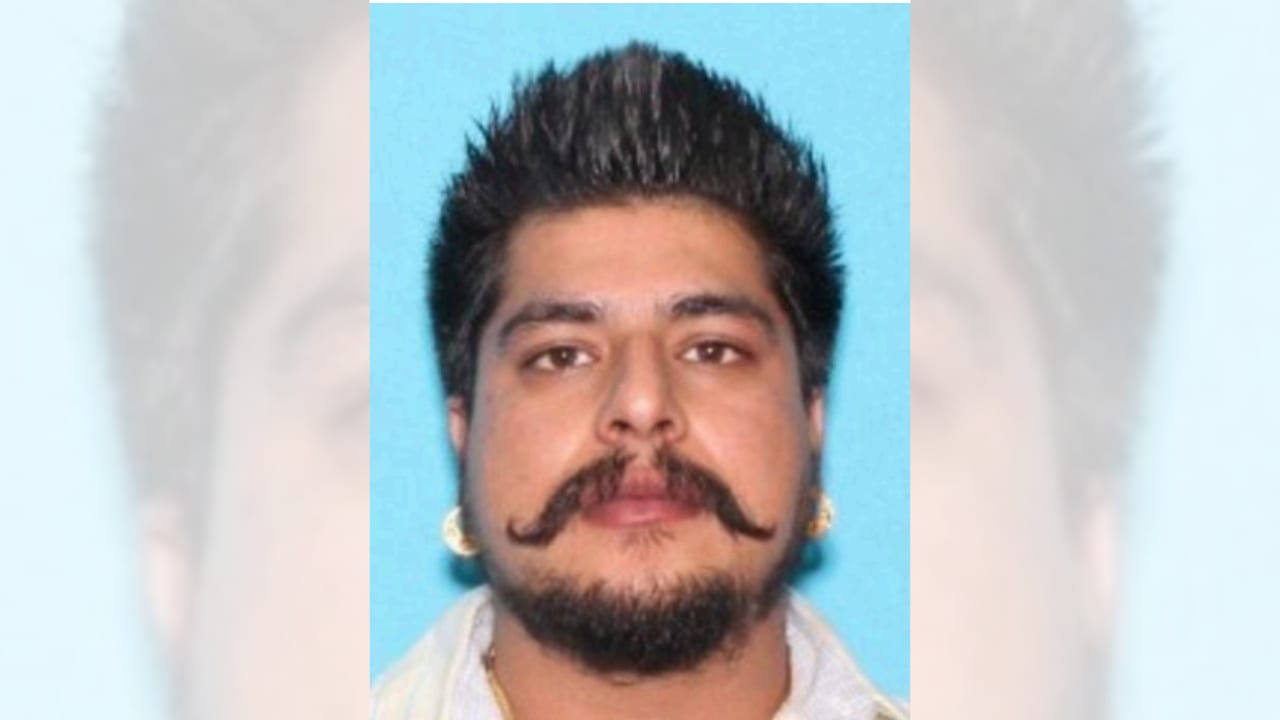
The FBI has added Nitish Kaushal to its most wanted list due to his alleged involvement with organized crime networks, specifically the Jaggu Bhagwanpuria group. This action is part of a larger US crackdown on the Lawrence Bishnoi network, which has been linked to transnational crimes including a Canadian assassination.
FBI Crackdown on Transnational Organized Crime: The Case of Nitish Kaushal
In a significant escalation of its efforts to combat international gang activity, the Federal Bureau of Investigation (FBI) has officially added Nitish Kaushal, an Indian-origin individual, to its most wanted list. This move signals a targeted approach by US federal authorities to dismantle organized crime syndicates that operate across international borders. Kaushal is allegedly linked to the Jaggu Bhagwanpuria group, a network known for engaging in various illegal activities. The inclusion of Kaushal on this list indicates that the US government views his role within the syndicate as pivotal, making his apprehension a high priority for national security and law enforcement.
The Intricate Web of the Bishnoi-Bhagwanpuria Nexus
To understand the gravity of this move, one must analyze the broader network Kaushal is associated with. The mention of the Jaggu Bhagwanpuria group, alongside the Lawrence Bishnoi and Goldy Brar networks, suggests a complex alliance of organized crime figures. The Lawrence Bishnoi gang has evolved from a regional threat in India into a global entity, utilizing a decentralized structure of operatives across Canada, the US, and Europe. By targeting Kaushal, the FBI is effectively striking a node in a network that specializes in extortion, targeted violence, and coordinated illegal enterprises, aiming to disrupt the communication and financial flows that sustain these groups.
Transnational Implications and the Canadian Connection
This legal action does not exist in a vacuum but is closely tied to the broader geopolitical tensions surrounding transnational crime. The context of charges against Lawrence Bishnoi and Goldy Brar regarding a Canadian assassination highlights the lethal reach of these syndicates. When organized crime groups begin executing hits on foreign soil, it transforms a criminal issue into a diplomatic and security crisis. The FBI's intervention suggests that the US is increasingly concerned about its territory being used as a safe haven or an operational base for gangs that orchestrate violence in other G7 nations, such as Canada.
Strategic FBI Raids and Law Enforcement Synergy
Recent large-scale raids conducted by federal agents targeting the Lawrence Bishnoi network within the United States demonstrate a shift toward proactive disruption. These raids are likely designed to seize electronic evidence, freeze assets, and identify local collaborators who facilitate the gang's operations. The synergy between US intelligence and international law enforcement is crucial here; the FBI is not merely looking for individual criminals but is mapping the entire ecosystem of the Bishnoi network. This systemic approach aims to create a deterrent for other organized crime elements attempting to establish roots within North America.
The Broader Trend of Diaspora Exploitation
This event underscores a worrying trend where organized crime syndicates from South Asia leverage the diaspora to expand their influence. By recruiting or coercing individuals of Indian origin living abroad, these gangs can bypass traditional border security and integrate into local communities unnoticed. The case of Nitish Kaushal serves as a stark example of how the 'long arm' of regional gang wars can reach into the US heartland. This necessitates a more rigorous screening and monitoring process for transnational financial transactions and associations linked to known criminal entities in India.
Future Outlook and Legal Trajectories
Looking forward, the pursuit of Nitish Kaushal is likely to lead to increased cooperation between the FBI and Indian central agencies. We can expect a surge in extradition requests and joint intelligence sharing as the US seeks to fully dismantle the Bishnoi-Bhagwanpuria infrastructure. If the FBI successfully captures Kaushal, it will provide a treasure trove of evidence that could lead to further indictments of operatives worldwide. This case sets a precedent that the US will not tolerate the operationalization of foreign gang wars on its soil, likely leading to a more aggressive posture against similar transnational networks in the coming years.
Summary
The addition of Nitish Kaushal to the FBI's most wanted list is a decisive strike against a sophisticated, transnational criminal network. By linking Kaushal to the Bhagwanpuria and Bishnoi groups, the US is acknowledging the globalized nature of modern organized crime. This operation reflects a broader strategy to secure North American borders from the influence of foreign syndicates and emphasizes the critical importance of international legal cooperation in the fight against global gang violence.