US eases proposed tariffs on India, China in revised Russia sanctions bill
Source Entity
The Indian Express
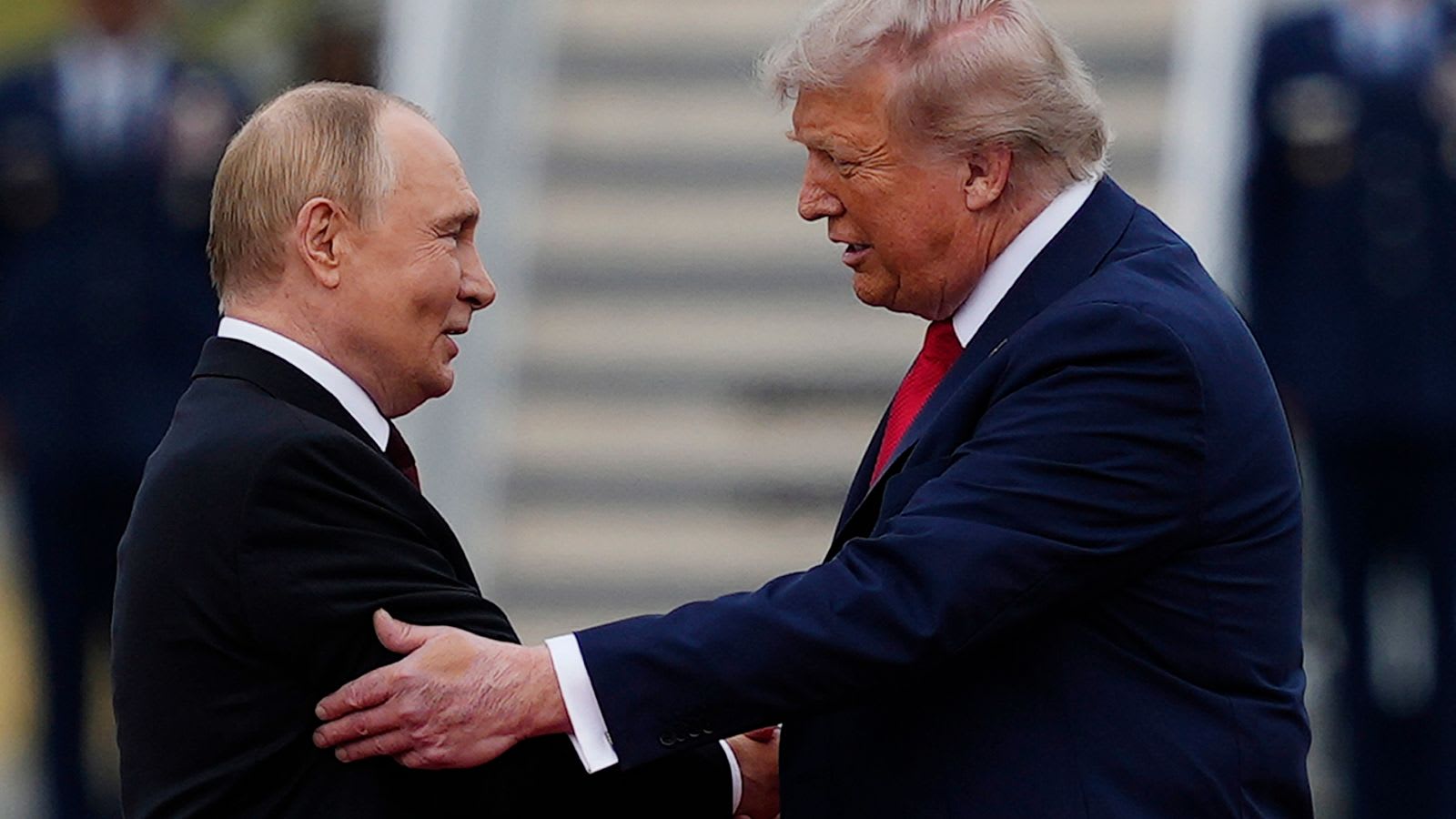
The US has revised a proposed sanctions bill, significantly lowering potential tariffs on the five largest buyers of Russian oil and gas, including India and China, from a blanket 500% to a 100% cap.
US Strategic Pivot: Analyzing the Revised Russia Sanctions Bill
In a significant shift of its economic diplomacy, the United States has revised a proposed sanctions bill aimed at curbing the revenue streams of the Russian Federation. The most striking adjustment in the revised legislation is the reduction of proposed tariffs on the five largest importers of Russian oil and natural gas. While the initial version of the bill suggested a blanket tariff of 500%, the revised version caps these tariffs at 100%. This move signals a pragmatic recalibration by Washington, recognizing the complex intersection of global energy security and geopolitical pressure.
The Economic Logic Behind the Tariff Reduction
The Shift from 500% to 100%
The initial proposal of a 500% tariff was largely viewed by market analysts as a symbolic gesture of extreme deterrence rather than a sustainable economic policy. Implementing such a massive tariff would have effectively banned Russian energy imports for the affected nations, potentially triggering a global energy price shock. By capping the tariffs at 100%, the US is still imposing a heavy cost on those continuing to fund the Russian war machine, but it is doing so in a way that avoids total market destabilization. This adjustment reflects an understanding that an abrupt cessation of Russian oil flows into major economies like India and China could lead to skyrocketing global crude prices, which would ironically fuel inflation within the US domestic economy.
Geopolitical Balancing: The India and China Factor
The inclusion of India and China as primary targets—and subsequent beneficiaries of the easing—highlights the delicate balancing act the US must perform. India, in particular, has maintained a strategic autonomy policy, arguing that its energy imports are essential for national security and economic stability. Forcing India into a corner with 500% tariffs could have pushed New Delhi closer to a BRICS-centric economic bloc, undermining US efforts to build a strategic partnership against Chinese hegemony in the Indo-Pacific. By easing the proposed penalties, the US maintains a degree of diplomatic leverage without completely alienating a critical strategic partner.
Historical Context of Energy Sanctions
Historically, the US has used secondary sanctions to isolate Russia, as seen with the CAATSA (Countering America's Adversaries Through Sanctions Act) framework. However, the current conflict has forced a transition from targeted sanctions to systemic economic warfare. The volatility seen in the revised bill suggests a tension between the 'hawk' faction in Congress, which favors maximum pressure, and the Treasury and State Departments, which prioritize global economic stability. This revision is a victory for the pragmatists who argue that sanctions are only effective if they do not destroy the global financial architecture or drive adversaries into a permanent, impenetrable alliance.
Broader Implications for Global Trade
This move underscores a growing trend where trade policy is used as a primary tool of national security. The transition to a 100% cap suggests that the US is moving toward a 'managed pressure' model. Instead of seeking the total eradication of Russian energy trade—which is practically impossible given the scale of the market—the US is attempting to make that trade expensive and politically costly. This sets a precedent for future sanctions regimes, where tariffs are calibrated based on the systemic importance of the trading partner to ensure that the 'cure' of sanctions does not cause more collateral damage than the 'disease' of the target's actions.
Summary and Future Outlook
Ultimately, the revision of the Russia sanctions bill demonstrates that the US is prioritizing global economic stability and strategic alliances over absolute ideological purity in its sanctions regime. While the 100% cap remains a formidable penalty, it provides a necessary safety valve for major economies. Moving forward, it is likely that these tariff levels will be used as bargaining chips in broader diplomatic negotiations. The US will likely continue to monitor the volume of Russian energy exports, adjusting these caps upward or downward depending on Russia's adherence to international norms and the willingness of India and China to cooperate on other strategic fronts.