Brendan Carr says he’ll let Pete Hegseth decide whether TV networks can air the public execution
Source Entity
Jay Peters
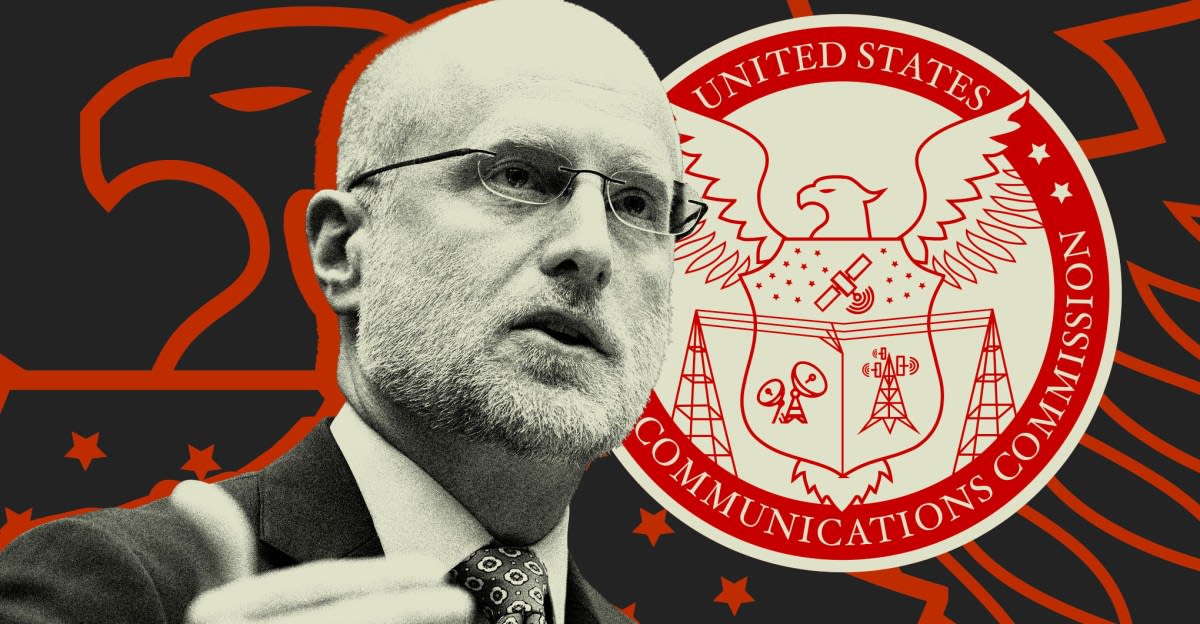
FCC Chairman Brendan Carr has stated he will defer to Defense Secretary Pete Hegseth regarding the potential broadcast of Nidal Hasan's execution. The Pentagon plans to livestream the event, likely bypassing traditional FCC broadcast regulations.
The Intersection of Federal Regulation and Military Justice
Recent statements from FCC Chairman Brendan Carr have brought a complex intersection of federal broadcasting authority and military justice into the public spotlight. Carr has indicated that he will defer to the discretion of Secretary of Defense Pete Hegseth regarding whether television networks are permitted to air the scheduled execution of Nidal Hasan, the perpetrator of the 2009 Fort Hood shooting. This situation highlights the evolving tension between traditional broadcast oversight and the modern digital landscape of government transparency.
The Scope of FCC Authority
At the heart of the matter is the extent of the Federal Communications Commission's (FCC) jurisdiction over broadcast airwaves. While the FCC maintains rigorous standards for content aired on public broadcast networks, Carr has signaled a hands-off approach in this instance. By deferring to the Department of Defense, Carr acknowledges that the nature of this event—a military execution—falls primarily under the purview of national security and military operational protocols rather than standard broadcast content regulation.
The Digital Shift and Livestreaming
The Pentagon’s stated intention to livestream the execution suggests a deliberate shift away from traditional media channels. By utilizing online platforms, the government effectively moves the event outside the immediate regulatory reach of the FCC. This trend reflects a broader move toward direct-to-consumer government communications, where official actions are broadcast via digital platforms rather than relying on the intermediary of legacy television networks.
Precedent and Public Policy
Historically, the broadcast of government-sanctioned executions is a rare and highly sensitive issue. The involvement of both the FCC and the Pentagon underscores the gravity of the decision to provide visual documentation of such an event. Because the FCC typically retains authority over public airwaves, the decision to outsource this determination to the Secretary of Defense represents a notable procedural precedent, prioritizing military authority over standard administrative oversight in the context of high-stakes national security events.
Future Implications for Media Consumption
The move toward livestreaming high-profile military events poses new challenges for both media organizations and regulators. As the Pentagon moves to bypass traditional broadcast networks, the role of agencies like the FCC may continue to diminish in relevance regarding the dissemination of government-produced content. Moving forward, the public can expect a continued shift toward digital-first government transparency, which will likely require a re-evaluation of how regulatory bodies manage the impact of such content on the domestic audience.
Conclusion
Ultimately, the collaboration between Brendan Carr and Pete Hegseth serves as a definitive marker of how current administrations are navigating the digital age. By deferring to the Department of Defense, the FCC has effectively cleared the path for the military to manage the narrative and distribution of the Nidal Hasan execution. This decision underscores a pragmatic approach to governance in an era where digital platforms often supersede traditional regulatory frameworks.