FDA reports new outbreak of explosive diarrhea with 72 cases identified
Source Entity
Beth Mole
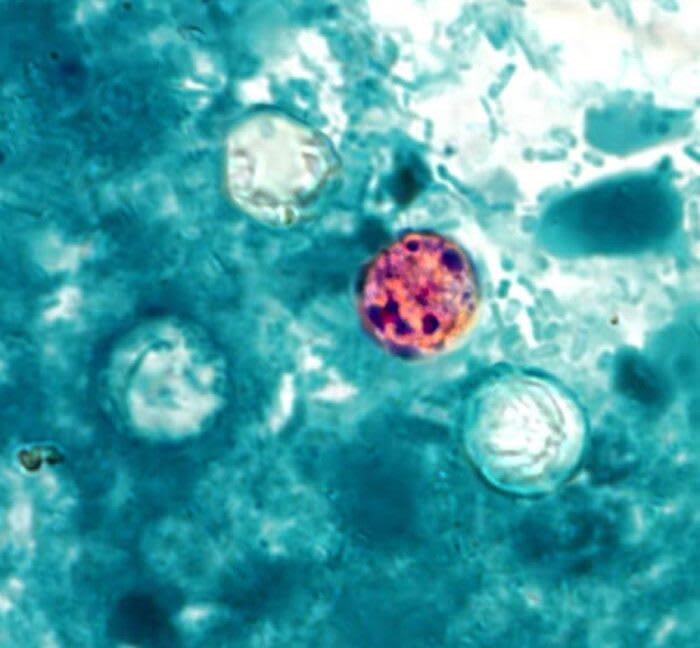
The FDA is investigating a new outbreak of Cyclospora, marking the sixth such case this year with 72 new infections reported. This adds to a significant nationwide surge, with over 11,500 total cases recorded across 41 states in 2024.
FDA Launches Investigation Into Latest Cyclospora Outbreak
Current Situation and FDA Findings
The Food and Drug Administration (FDA) has officially announced an investigation into a new outbreak of Cyclospora, a unicellular foodborne parasite. This latest cluster involves 72 identified cases of explosive watery diarrhea. As of the current reporting, the FDA has not disclosed the specific geographic locations of these cases nor has it established the specific link connecting the victims, leaving the public awaiting further guidance on potential food sources or safety protocols.
Unprecedented Scale of the 2024 Surge
This announcement is particularly concerning as it represents the sixth distinct Cyclospora outbreak investigation initiated by the FDA within the current calendar year. The cumulative data from the Centers for Disease Control and Prevention (CDC) paints a troubling picture: over 11,500 total cases have been reported across 41 states. This figure includes 4,173 confirmed cases and an additional 7,400 probable infections, underscoring the widespread nature of this parasitic surge.
Clinical Impact and Healthcare Burden
While the current reports indicate there have been no fatalities associated with this year's outbreaks, the clinical impact remains significant. The data confirms 308 hospitalizations, highlighting that while Cyclospora is often manageable, it can lead to severe enough symptoms to require professional medical intervention. The prevalence of "explosive watery diarrhea" as a primary symptom emphasizes the debilitating nature of the illness for those affected.
Historical Context and Statistical Anomalies
The current rate of infection is statistically anomalous when compared to historical trends. The total case tally recorded just through the month of July significantly exceeds the volume of cases typically expected throughout an entire year in the United States. This rapid acceleration suggests a systemic issue in food distribution or sanitation practices that has yet to be fully mitigated by current federal oversight.
Future Implications for Food Safety
As the FDA continues its investigations, the lack of transparency regarding specific links in this latest outbreak creates challenges for consumer safety. Experts suggest that until the agency can pinpoint the source of contamination, the risk of further infections remains high. The recurring nature of these outbreaks throughout the year points to a persistent vulnerability in the supply chain that will likely necessitate more stringent regulatory scrutiny and improved traceability protocols in the coming months.