Less than 2.5% of Taylor Farms' recalled lettuce went to Taco Bells
Source Entity
Beth Mole
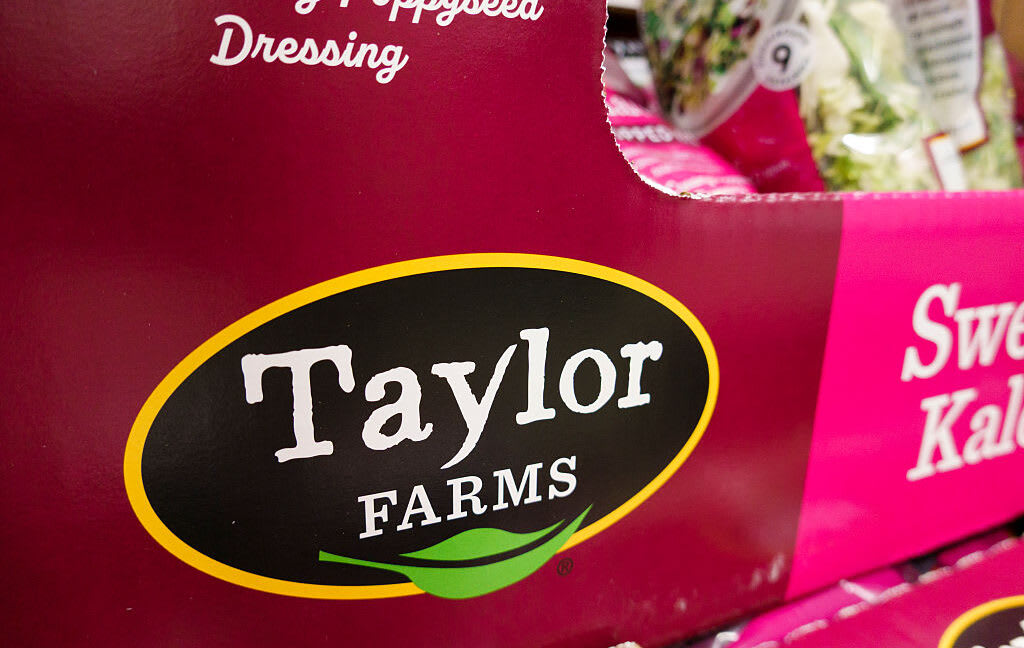
An FDA investigation into a massive Cyclospora outbreak linked to Taylor Farms reveals that less than 2.5% of the recalled lettuce reached Taco Bell. The outbreak has resulted in over 23,000 illnesses and two deaths, raising serious concerns about food safety transparency.
The Scope of the Cyclospora Outbreak
The recent investigation by the Food and Drug Administration (FDA) into the widespread Cyclospora outbreak has provided much-needed clarity on the distribution of contaminated produce. With over 23,000 individuals sickened across 47 states, the scale of this public health crisis is significant, resulting in two fatalities and over 500 hospitalizations. For some time, public suspicion focused heavily on Taco Bell locations as a primary vector for the parasite. However, the FDA’s findings suggest a more complex supply chain issue, as less than 2.5% of the recalled lettuce originated from the shipments that reached those restaurants.
The Role of Taylor Farms and Supply Chain Transparency
The lettuce at the center of this investigation was sourced from Mexico and distributed by Taylor Farms, a California-based produce giant. The revelation that only a fraction of the contaminated product was linked to a single fast-food chain shifts the focus toward the broader distribution network of this major supplier. This discovery highlights the inherent risks in modern industrial agriculture, where a single contamination event at a processing facility can ripple across thousands of miles, affecting disparate retail and dining establishments simultaneously.
Corporate Responsibility and Regulatory Friction
A particularly troubling aspect of this narrative is the reported friction between Taylor Farms and federal regulators. Reports indicate that the firm, which has faced scrutiny for its political affiliations and ties to the Trump administration, was initially reluctant to provide the necessary data to track the tainted shipments. This alleged lack of cooperation, coupled with reported delays in issuing a timely recall, underscores a significant vulnerability in our food safety protocols: the reliance on voluntary transparency from private entities during active health emergencies.
Public Health Implications and Historical Precedent
Cyclospora is a resilient parasite that thrives in warm climates, and its presence in imported produce is a recurring challenge for the FDA. Historically, outbreaks of this nature expose the difficulty of tracing foodborne pathogens through the complex, multi-layered supply chains that define the contemporary American diet. When a major supplier operates with a lack of transparency, it hampers the ability of public health officials to issue targeted warnings, potentially prolonging the duration of the outbreak and increasing the total count of those affected.
Future Trends in Food Safety Oversight
Moving forward, this event is likely to fuel calls for more stringent federal oversight of large-scale produce providers. The combination of a massive illness count and the difficulty in obtaining prompt information from Taylor Farms suggests that current regulatory frameworks may be insufficient to handle large-scale contamination events. Experts predict that future legislation may focus on mandatory real-time reporting requirements and more aggressive enforcement mechanisms to ensure that suppliers prioritize public safety over corporate shielding.
Conclusion
While the FDA's report effectively narrows the scope of the outbreak as it relates to Taco Bell, it simultaneously widens the concern regarding the accountability of major produce distributors. The high casualty rate—23,000 sickened and two deaths—serves as a grim reminder of the stakes involved. As the investigation continues, the focus remains on ensuring that such a large-scale failure of food safety, and the subsequent delay in information sharing, does not become the standard for the industry.