Fed's Barr open to rate hike if inflation does not moderate
Source Entity
Yahoo Finance
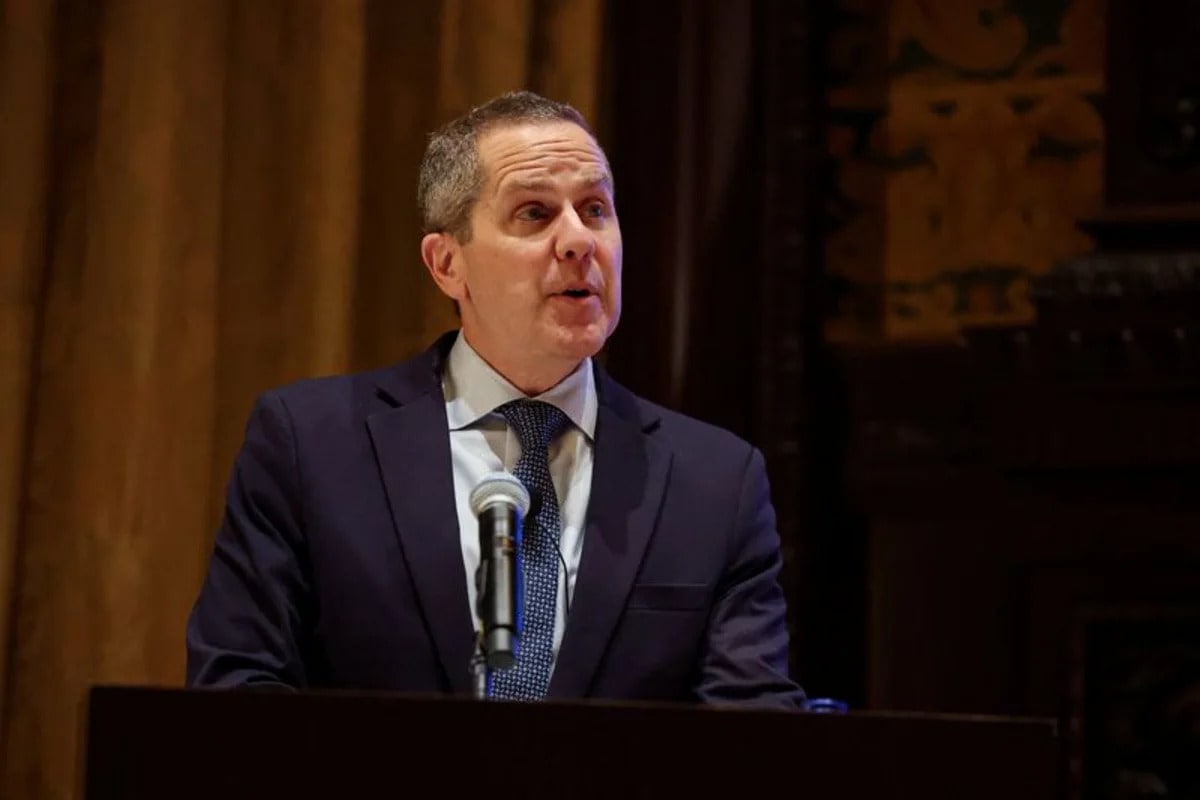
Federal Reserve Governor Michael Barr has signaled a potential interest rate hike if inflation fails to moderate. The decision will hinge on incoming data ahead of the Fed's upcoming September policy meeting.
Fed Policy Outlook: The Path Toward Potential Rate Hikes
The Stance on Persistent Inflation
Federal Reserve Governor Michael Barr has provided a clear signal regarding the central bank's future trajectory, emphasizing that the fight against inflation remains the primary objective. With inflation having remained elevated for over five years, the Federal Reserve is under significant pressure to maintain its dual mandate of price stability and maximum employment. Barr’s recent comments serve as a warning to markets that the period of monetary tightening may not yet be over.
Data-Driven Decision Making
Central to the Fed’s strategy is a data-dependent approach. Governor Barr explicitly stated that if current trends do not demonstrate a clear path toward the target rate of 2%, the committee must act decisively to raise rates. This rhetoric highlights the cautious optimism the Fed is maintaining; they are willing to pause and assess the impact of previous hikes, but only if the economic data provides verifiable evidence that inflationary pressures are cooling.
The September Policy Window
As the Federal Reserve approaches its September 15-16 monetary policy meeting, officials are currently in a critical assessment phase. This period allows policymakers to weigh the risks of overtightening—which could stifle economic growth—against the risks of leaving rates too low, which could allow inflation to become entrenched. Barr’s comments underscore the complexity of this balancing act, as the Fed seeks to avoid a recession while still curbing consumer price increases.
Historical Context and Long-Term Trends
The fact that inflation has been problematic for more than five years suggests that the current economic environment is structurally different from the low-inflation era that preceded the pandemic. By signaling a readiness to act, the Federal Reserve is attempting to manage market expectations and anchor long-term inflation expectations. This communication strategy is vital to ensure that businesses and consumers adjust their behaviors in line with the Fed’s 2% target.
Implications for Future Economic Policy
Looking ahead, the market will be closely scrutinizing every economic release for signs of moderation. If the data fails to cooperate, Barr’s message suggests that the Fed is prepared to prioritize the return to price stability above all else. This stance reinforces the central bank's commitment to its mandate and signals to investors that the era of 'easy money' remains firmly in the past until there is concrete proof of economic cooling.