Kevin Warsh gets what every Fed chair hopes for: a bond market that trusts his word
Source Entity
Isabel Wang
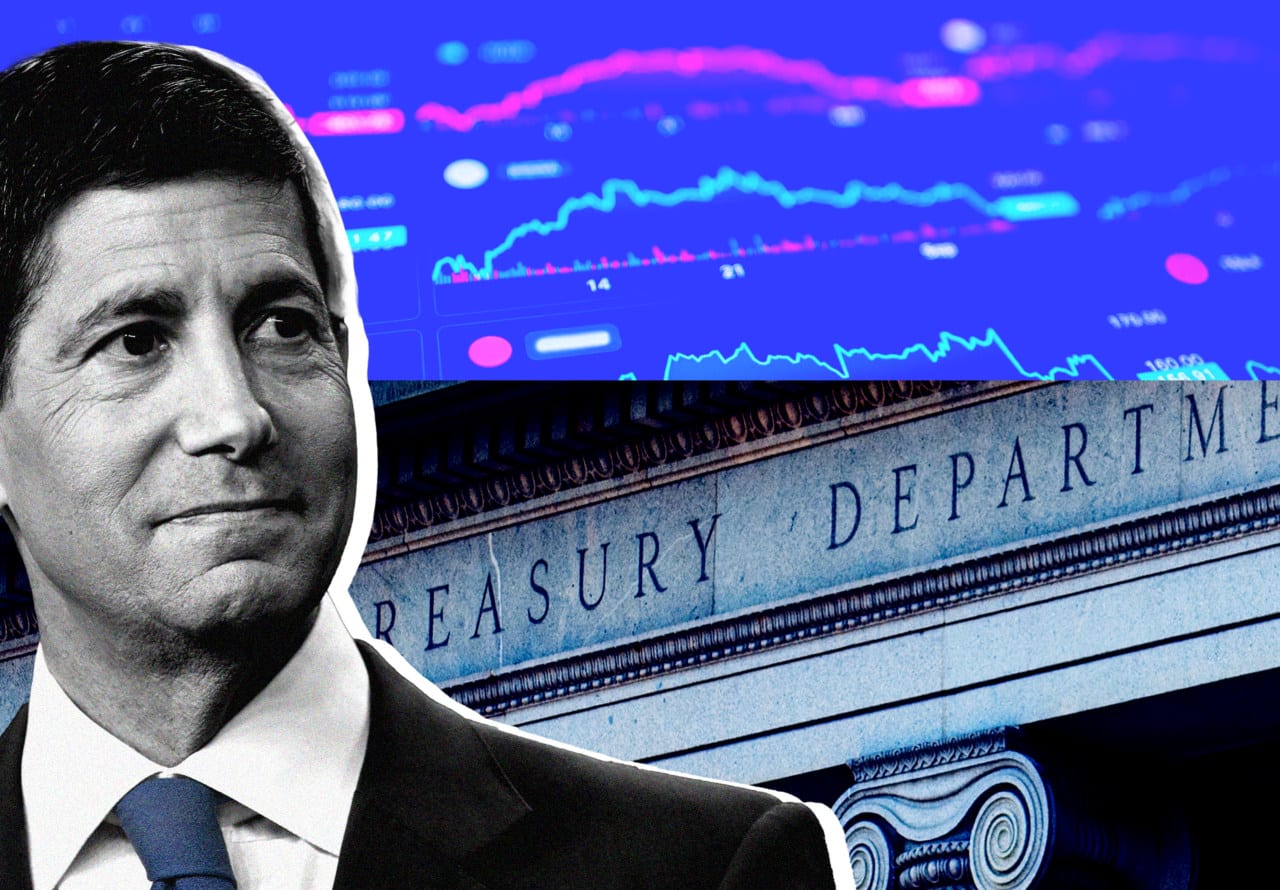
Federal Reserve Chairman Kevin Warsh addressed persistent inflation concerns at the Jackson Hole Symposium, signaling that interest rates may need to rise further. Despite market anticipation, Warsh avoided providing specific forward guidance, leaving investors to weigh the implications of sticky 3.7% inflation data.
The Jackson Hole Dilemma: Inflation and Fed Strategy
The annual Federal Reserve Economic Policy Symposium in Jackson Hole, Wyoming, has long served as a critical venue for signaling shifts in monetary policy. This year, the stakes reached a fever pitch as Chairman Kevin Warsh faced the daunting reality of persistent, or 'sticky,' inflation. With the latest personal consumption expenditures (PCE) data revealing a 3.7% year-over-year climb in July, the economic environment has become increasingly complex, complicating the Federal Reserve's path toward its long-held 2% inflation target.
Analyzing the 'Sticky' Inflation Narrative
The reported 3.7% inflation rate, released by the US Bureau of Economic Analysis, significantly exceeded market expectations. This surge has effectively dismantled the narrative that the Federal Reserve could pivot toward a more dovish stance or implement imminent rate cuts. Instead, the persistent nature of price pressures has forced a reevaluation of the current economic trajectory, with some analysts even questioning the feasibility of the 2% target in the current macroeconomic climate.
Chairman Warsh’s Strategic Ambiguity
During his highly anticipated address, Chairman Warsh navigated a delicate path. While he openly acknowledged that current inflation readings remain unacceptably high and that underlying trends have not shown meaningful improvement, he conspicuously avoided offering specific forward guidance. By sidestepping explicit signals regarding future interest rate adjustments, Warsh maintained his preference for a 'quieter' central bank, aiming to avoid the market volatility that often follows overly specific policy hints.
Market Reaction and Investor Sentiment
Market participants entered the symposium in a state of flux, reflected in the split performance of the Dow Jones, S&P 500, and Nasdaq indices. Investors were seeking clarity following previous meetings that left the market confused regarding the Fed's ultimate strategy. The divergence in stock performance highlights the tension between tech-driven optimism and the sobering reality of potential further interest rate hikes, as officials remain divided on the best path forward.
The Future of Monetary Policy
Looking ahead, Warsh’s emphasis on the need for 'sufficient speed' in moving toward the inflation objective serves as a warning that the tightening cycle may not be complete. If underlying inflation does not show signs of cooling, the Fed may be compelled to move rates higher, regardless of the current market appetite for a pause. The symposium has underscored a reality where the central bank is prioritizing long-term price stability over short-term market comfort, setting the stage for continued volatility in the coming months.
Conclusion
The Jackson Hole Symposium has successfully highlighted the precarious position in which the Federal Reserve finds itself. Chairman Warsh’s commitment to data-dependent, albeit cautious, communication underscores the difficulty of managing an economy where inflation remains stubborn. As the Fed continues to grapple with these challenges, the focus will undoubtedly remain on whether the current strategy is enough to bring inflation back to target without inducing a more significant economic downturn.
Multiple Citing Sources
Verification Required?