Fed Chairman Warsh says he meets 'often' with Trump administration, defends independence
Source Entity
US Top News and Analysis
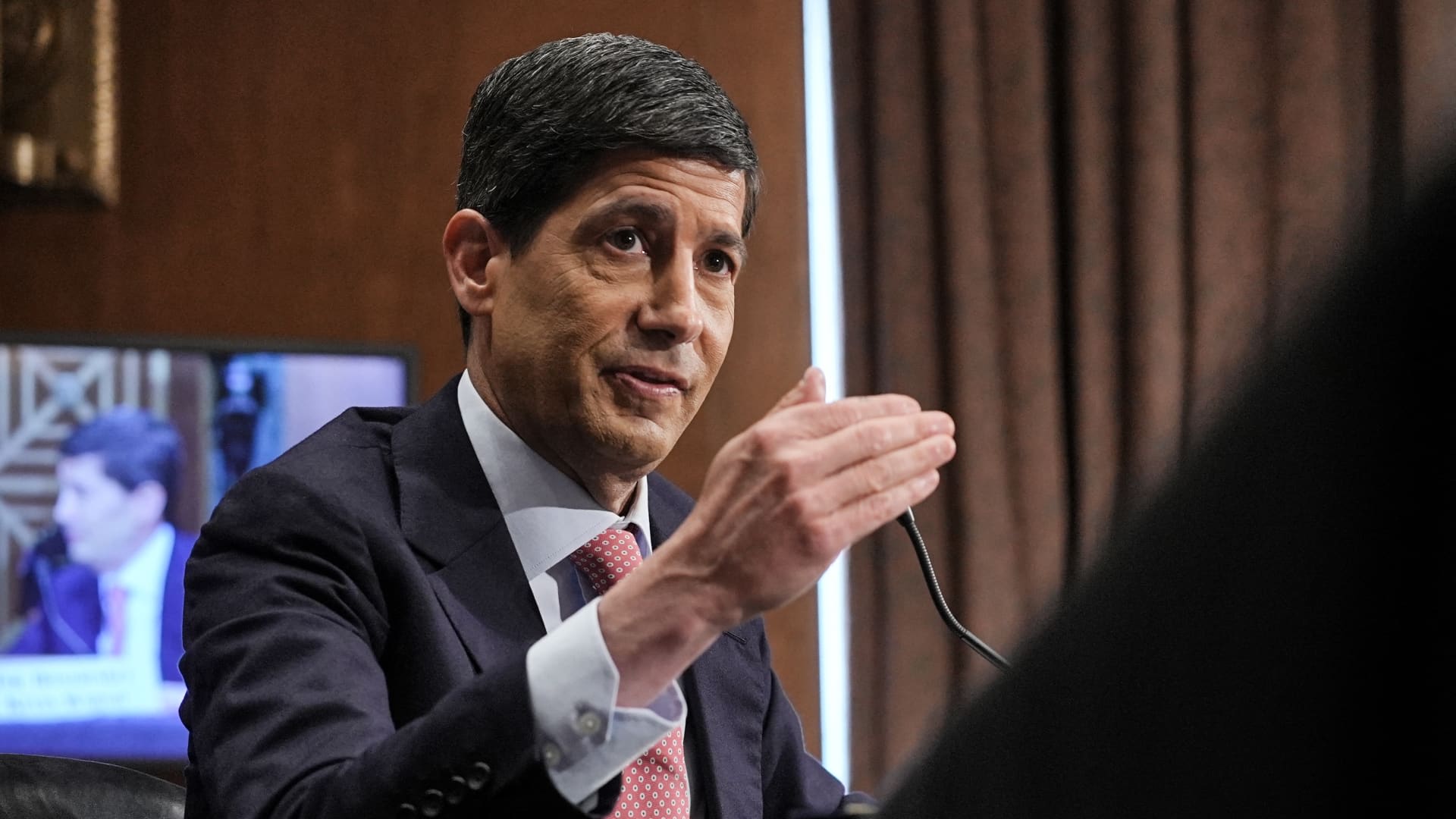
Federal Reserve Chairman Kevin Warsh has defended the central bank's independence following his admission that he maintains frequent communication with Treasury Secretary Scott Bessent outside of their scheduled weekly briefings.
The Tension Between Monetary Independence and Executive Coordination
Federal Reserve Chairman Kevin Warsh's recent admission that he meets "often" with Treasury Secretary Scott Bessent beyond their formal weekly schedule has reignited a critical debate regarding the autonomy of the United States' central bank. While Warsh has been quick to defend the Federal Reserve's independence, the revelation of frequent, informal communication with the Trump administration's chief financial officer suggests a level of proximity that often makes market analysts and policymakers uneasy. The core of this tension lies in the fundamental separation of fiscal policy—managed by the Treasury—and monetary policy—managed by the Fed.
The Structural Firewall of the Federal Reserve
To understand the significance of these meetings, one must look at the historical mandate of the Federal Reserve. The Fed is designed to be an independent entity to ensure that monetary decisions, such as adjusting interest rates to combat inflation, are made based on economic data rather than political expediency. When a Treasury Secretary and a Fed Chair communicate too closely, there is a perceived risk of "fiscal dominance," where the central bank might be pressured to keep interest rates artificially low to reduce the cost of servicing government debt, even if such a move risks overheating the economy or accelerating inflation.
Analyzing the Warsh-Bessent Dynamic
The specific mention of meetings occurring "outside their regular weekly meetings" is the focal point of the current concern. Standard coordination between the Treasury and the Fed is necessary for the smooth functioning of the financial system, particularly during liquidity crises or major policy shifts. However, the transition from scheduled, documented briefings to frequent, informal interactions can be interpreted as a blurring of the lines between the executive branch and the independent regulator. Warsh's defense suggests that these interactions are collaborative and operational rather than directive, yet the optics remain a challenge in a political climate where the Fed's neutrality is under scrutiny.
Historical Context and Political Pressure
This situation echoes historical conflicts between U.S. Presidents and Fed Chairs. Historically, administrations seeking economic growth leading up to elections have often pushed for lower rates, while the Fed has fought to maintain its mandate of price stability. By acknowledging a close relationship with Secretary Bessent, Warsh is navigating a narrow path: attempting to maintain a functional working relationship with the Trump administration while reassuring global markets that the Fed's decision-making process remains insulated from political whims. The credibility of the U.S. dollar and the stability of Treasury bonds depend heavily on the global perception that the Fed cannot be coerced by the White House.
Market Implications and Future Outlook
From an investment perspective, the market reacts poorly to any sign that the Fed's independence is compromised. If traders believe that monetary policy is being steered by the administration's political goals, it could lead to increased volatility in the bond market and a potential rise in inflation expectations. Moving forward, we can expect increased pressure on Chairman Warsh to provide more transparency regarding the nature of these "often" occurring meetings. The administration will likely continue to advocate for a synergistic relationship between the Treasury and the Fed to streamline economic goals, but the Fed must continue to produce data-driven results to prove its autonomy.
Conclusion
In summary, while Kevin Warsh maintains that his relationship with Scott Bessent does not compromise the Federal Reserve's integrity, the admission of frequent informal contact highlights the perennial struggle between political coordination and institutional independence. The balance struck between these two forces will be a defining characteristic of the current administration's economic legacy, directly impacting the long-term stability of the American financial system.