RBI nod to HDFC Part-Time Chairman appointment
Source Entity
The Indian Express
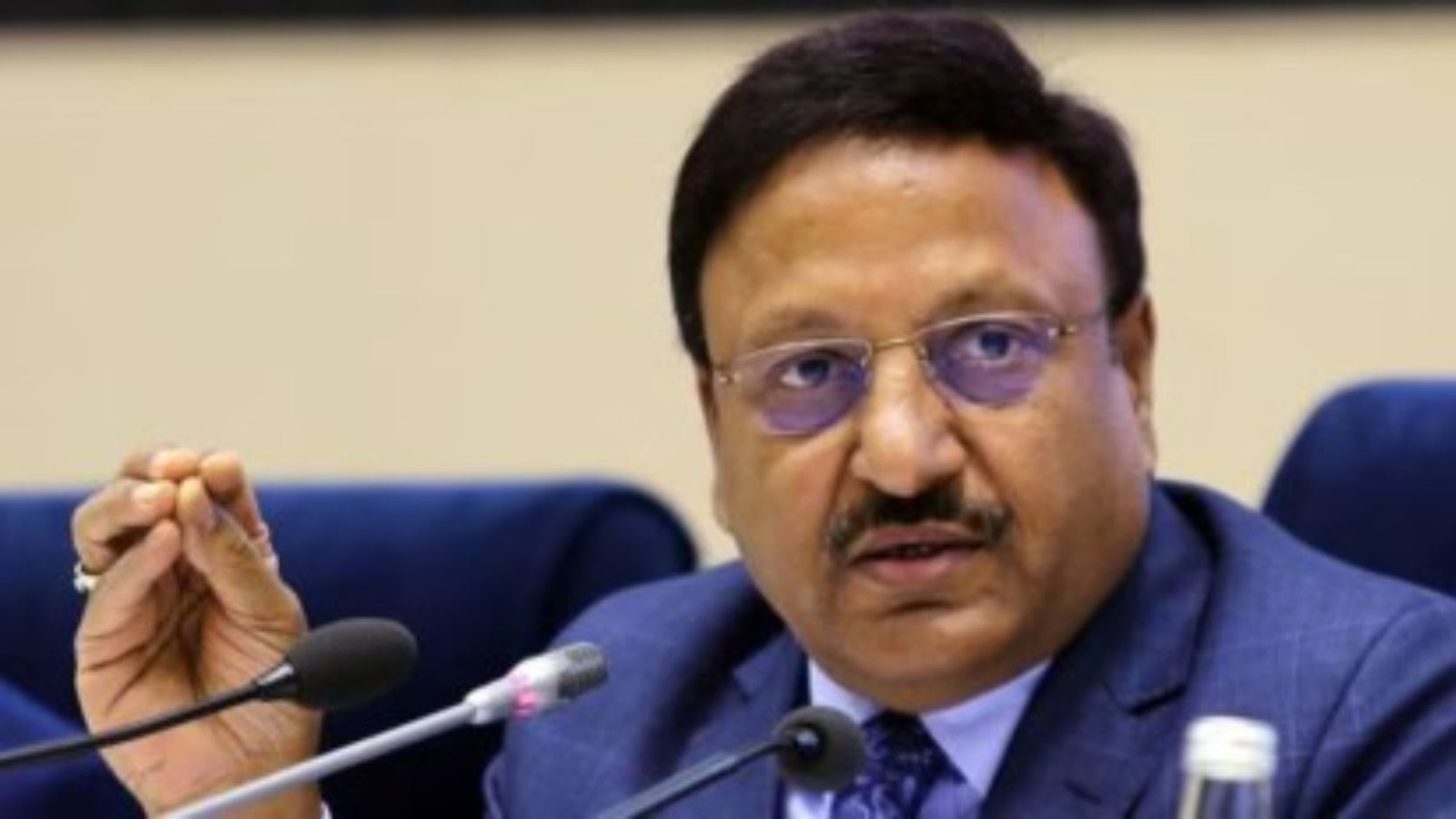
The Reserve Bank of India (RBI) has approved the appointment of former Finance Secretary and ex-Chief Election Commissioner Rajiv Kumar as the Part-Time Chairman of HDFC Bank.
RBI Approves Rajiv Kumar as Part-Time Chairman of HDFC Bank
The Reserve Bank of India (RBI) has officially granted its approval for the appointment of Rajiv Kumar as the Part-Time Chairman of HDFC Bank. This regulatory nod marks a significant step in the corporate governance structure of India's largest private sector bank, ensuring that the board's leadership is steered by an individual with profound experience in both public administration and financial regulation. The appointment comes at a critical juncture for the banking sector, where the intersection of regulatory compliance and aggressive growth remains a primary focus for stakeholders.
The Strategic Profile of Rajiv Kumar
Rajiv Kumar brings an extraordinary professional pedigree to the role of Part-Time Chairman. Having served as the Finance Secretary and the Chief Election Commissioner of India, his career is defined by high-stakes management and an intimate understanding of the Indian state's fiscal and administrative machinery. His tenure as Finance Secretary provided him with deep insights into the macroeconomic levers of the country and the intricacies of public finance, while his role as CEC demonstrated his ability to manage complex, large-scale operations with impartiality and precision. This blend of financial acumen and administrative leadership is highly valuable for a systemic institution like HDFC Bank.
Regulatory Oversight and the RBI's Role
The requirement for RBI approval for such high-level appointments underscores the regulator's commitment to maintaining absolute stability within the Indian banking system. By vetting candidates for the position of Chairman, the RBI ensures that the leadership of Domestic Systemically Important Banks (D-SIBs) adheres to strict "Fit and Proper" criteria. This oversight process is designed to prevent conflicts of interest and to ensure that the bank's strategic direction aligns with the broader financial stability goals of the nation, thereby mitigating systemic risk in the private banking sector.
HDFC Bank's Governance Transition
The appointment of a Part-Time Chairman is a strategic governance choice that allows the bank to leverage high-level expertise without requiring a full-time executive commitment from a seasoned public servant. For HDFC Bank, which has undergone a massive organizational transformation following its landmark merger with HDFC Ltd, having a steady and experienced hand at the helm of the board is essential. This role serves as a critical bridge between executive management and the board of directors, providing a layer of seasoned guidance during a period of post-merger integration and expansion.
Broader Implications for the Banking Sector
This appointment reflects a broader trend in the Indian corporate landscape where former top-tier bureaucrats are brought into the private sector to navigate the complex intersection of business operations and government regulation. As HDFC Bank continues to scale its operations and navigate evolving RBI guidelines—particularly regarding digital lending, risk management, and capital adequacy—Kumar's experience in policy formulation will be an asset. His presence on the board is likely to streamline the bank's communication with the regulator and ensure that the institution remains ahead of the curve in terms of compliance.
Conclusion and Future Outlook
In summary, the RBI's approval of Rajiv Kumar's appointment is more than a routine administrative update; it is a strategic alignment of expertise and oversight. As HDFC Bank strives to maintain its market leadership while adapting to a tightening regulatory environment, the presence of a former Finance Secretary as Chairman is expected to bolster investor confidence and ensure robust governance. Looking forward, the market will likely view this as a stabilizing move that prepares the bank for sustainable growth and enhanced regulatory synergy.