SEBI adopts new code of conduct for board members to boost transparency, public confidence
Source Entity
George Mathew
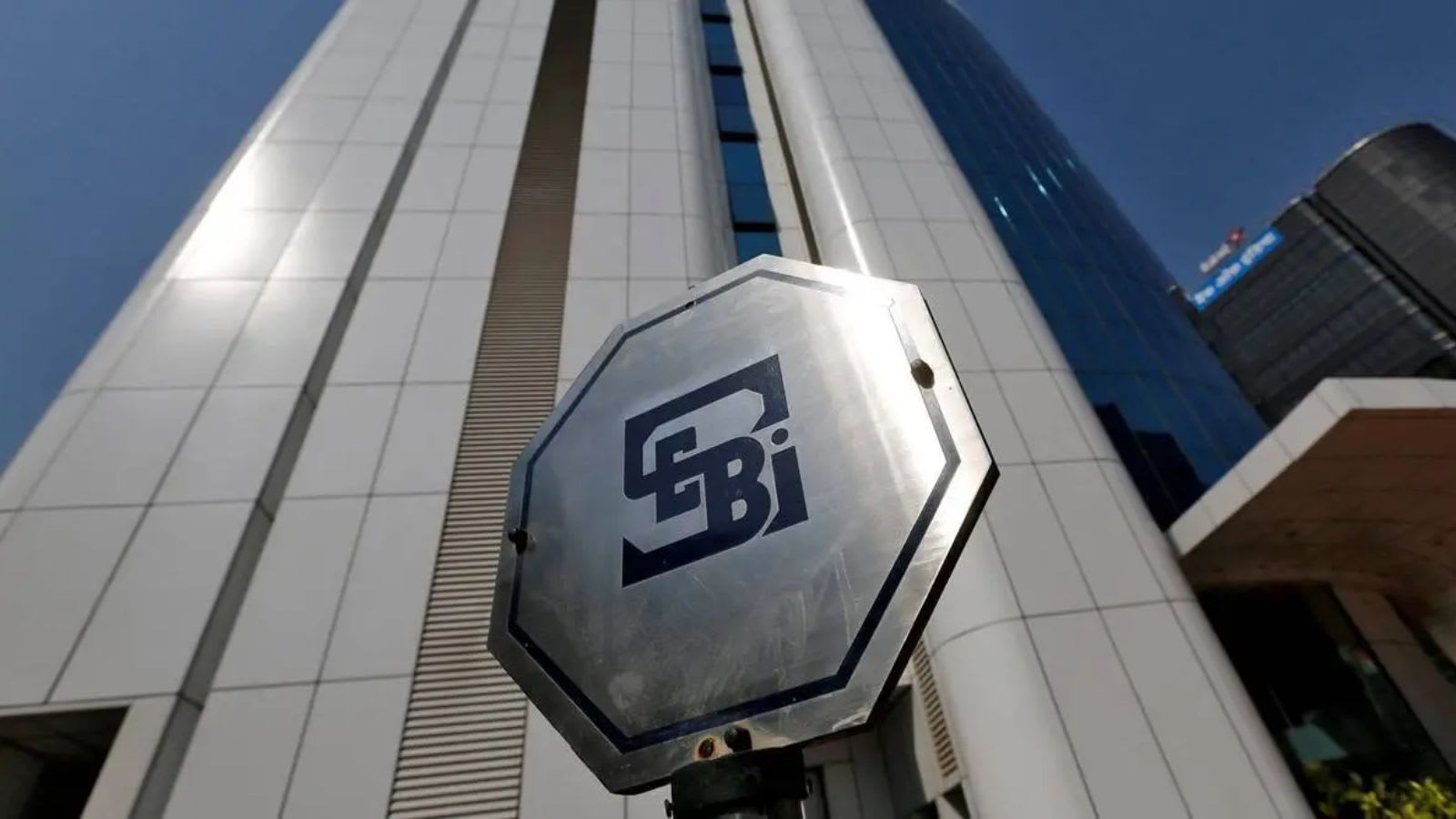
SEBI has implemented a new code of conduct for its board members to enhance transparency and public trust. The guidelines require Whole-Time Members (WTMs) to disclose any negotiations for future employment while in office and enforce a two-year cooling-off period prohibiting them from appearing before or against the regulator after their tenure.
Strengthening the Watchdog: An Analysis of SEBI's New Code of Conduct
In a strategic move to fortify its institutional integrity, the Securities and Exchange Board of India (SEBI) has adopted a comprehensive new code of conduct for its board members. As the primary regulator of the Indian capital markets, SEBI's credibility is paramount to the stability of the financial ecosystem. This new framework is specifically designed to eliminate conflicts of interest and bolster public confidence by ensuring that the individuals steering the regulatory ship are held to the highest ethical standards.
Addressing the 'Revolving Door' Phenomenon
One of the most critical components of the new code is the requirement for Whole-Time Members (WTMs) to disclose negotiations for future employment while they are still in office. In the world of high-finance regulation, the "revolving door"—where regulators move into lucrative roles at the very firms they once supervised—has long been a point of contention globally. By mandating disclosure, SEBI is attempting to prevent a scenario where a regulator's current decision-making process is subconsciously or explicitly influenced by the prospect of a future paycheck from a regulated entity. This transparency ensures that policy decisions are made in the public interest rather than as a precursor to a private career move.
The Strategic Importance of the Cooling-Off Period
The implementation of a two-year bar on former WTMs appearing before or against SEBI represents a significant systemic safeguard. This "cooling-off" period is designed to prevent the monetization of insider knowledge and personal networks. When a high-ranking official leaves a regulatory body, they possess intimate knowledge of the regulator's internal logic, current priorities, and potential vulnerabilities. If such individuals were allowed to immediately represent private clients in disputes with SEBI, it would create an uneven playing field and potentially compromise the regulator's enforcement efficacy.
Boosting Market Integrity and Public Confidence
Beyond the technicalities of employment and appearances, these measures serve a broader psychological purpose: boosting public and investor confidence. The Indian capital markets have seen exponential growth in retail participation in recent years. For these new investors, the perception of fairness is as important as the actual fairness of the rules. By self-regulating its own leadership, SEBI signals to the market that it is not immune to the standards of transparency it demands from listed companies. This internal discipline reduces the risk of "regulatory capture," where the regulator becomes too closely aligned with the interests of the industry it is meant to oversee.
Long-term Implications for Indian Governance
This move by SEBI is likely to set a precedent for other statutory bodies and regulators across India, such as the Reserve Bank of India (RBI) or the Insurance Regulatory and Development Authority of India (IRDAI). As India seeks to attract more foreign institutional investment (FII), aligning its regulatory governance with global best practices—such as those seen in the US SEC or the UK's FCA—is essential. We can expect a trend toward more rigid ethical frameworks in the public sector to ensure that the intersection of public duty and private interest is clearly demarcated.
Conclusion
SEBI's adoption of this code of conduct is a proactive step toward institutional maturity. By addressing the potential for conflicts of interest through mandatory disclosures and a strict cooling-off period, the regulator is protecting its own autonomy and the integrity of the Indian financial markets. While these rules may be viewed as restrictive for individual board members, the collective benefit of enhanced transparency and public trust far outweighs the personal inconvenience, ensuring that the watchdog remains impartial and effective.