India-UK trade pact day 1: India exports $140 m worth of goods duty-free
Source Entity
TOI BUSINESS DESK
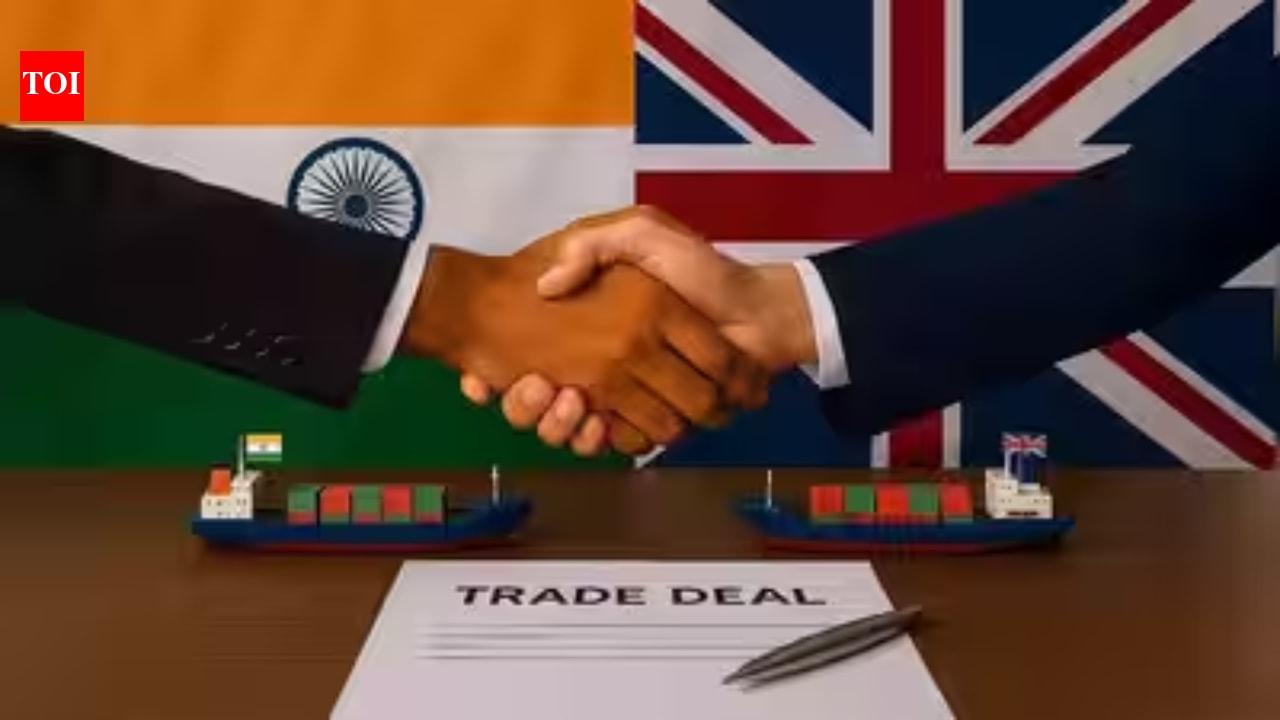
India has officially commenced duty-free exports to the UK under a new Comprehensive Economic and Trade Agreement, shipping over $140 million worth of electronics, pharmaceuticals, and textiles on the first day.
A New Era of Indo-British Commerce: Analyzing the Day 1 Impact
The commencement of the Comprehensive Economic and Trade Agreement (CETA) between India and the United Kingdom marks a pivotal shift in the bilateral economic relationship between the two nations. On the very first day of the pact's implementation, India successfully exported over $140 million worth of goods duty-free, signaling a robust and immediate appetite for trade liberalization. The scale of this initial rollout—featuring more than fifty export consignments originating from over twenty different locations—demonstrates a highly coordinated logistical effort and a readiness among Indian exporters to capitalize on the new tariff regime.
Sectoral Analysis: The Triple Engine of Growth
The composition of the initial shipments—specifically electronics, pharmaceuticals, and textiles—is highly strategic. These three sectors represent the core strengths of India's manufacturing base. The pharmaceutical sector, often referred to as the 'pharmacy of the world,' stands to benefit immensely from duty-free access, allowing Indian generics to enter the UK market at more competitive prices. Similarly, the textile industry, a massive employer in India, can now bypass previous tariff barriers that often hindered its competitiveness against other global hubs. The inclusion of electronics indicates India's evolving role as a hardware manufacturing hub, moving beyond software services to tangible high-tech exports.
The Power of 99% Duty-Free Access
The most striking feature of this agreement is the provision of nearly ninety-nine percent duty-free access for Indian exports. In the world of international trade, such a high percentage of tariff elimination is rare and transformative. By removing these costs, the pact effectively lowers the landing price of Indian goods in the UK, making them more attractive to British consumers and businesses. This structural change is expected to create a sustainable surge in trade volume, as the cost-benefit analysis for UK importers now heavily favors Indian sourcing over higher-tariff alternatives.
Geopolitical and Historical Context
This trade pact arrives at a critical juncture for both nations. For the United Kingdom, this agreement is a cornerstone of its 'Global Britain' strategy post-Brexit, as it seeks to diversify its trade partnerships outside of the European Union. For India, it is a significant step in its quest to integrate more deeply into global value chains and increase its non-oil exports. Historically, trade between the two was characterized by colonial-era patterns; however, this modern agreement redefines the relationship as a partnership of equals based on mutual economic advantage and strategic complementarity.
Predicting Future Trade Trajectories
Looking forward, the success of the first day suggests that the initial $140 million is merely a baseline. As more small and medium enterprises (SMEs) become aware of the duty-free provisions, we can expect a diversification of the product mix. Furthermore, the success of goods trade often paves the way for deeper cooperation in services, including professional certifications and digital trade. The momentum generated by these first fifty consignments will likely lead to increased foreign direct investment (FDI) from the UK into India's manufacturing sectors to optimize the supply chain for these now duty-free exports.
Conclusion: A Landmark Economic Milestone
In summary, the first day of the India-UK trade pact has provided a tangible proof-of-concept for the Comprehensive Economic and Trade Agreement. By eliminating tariffs on almost all goods, both nations have removed the primary friction point in their commercial relationship. While the immediate focus has been on the shipment of electronics, pharma, and textiles, the long-term implication is a fundamental restructuring of bilateral trade that promises higher volumes, lower costs, and a strengthened strategic alliance.