Waller says Fed shouldn't 'fight the last war' on inflation but warns hikes still possible
Source Entity
US Top News and Analysis
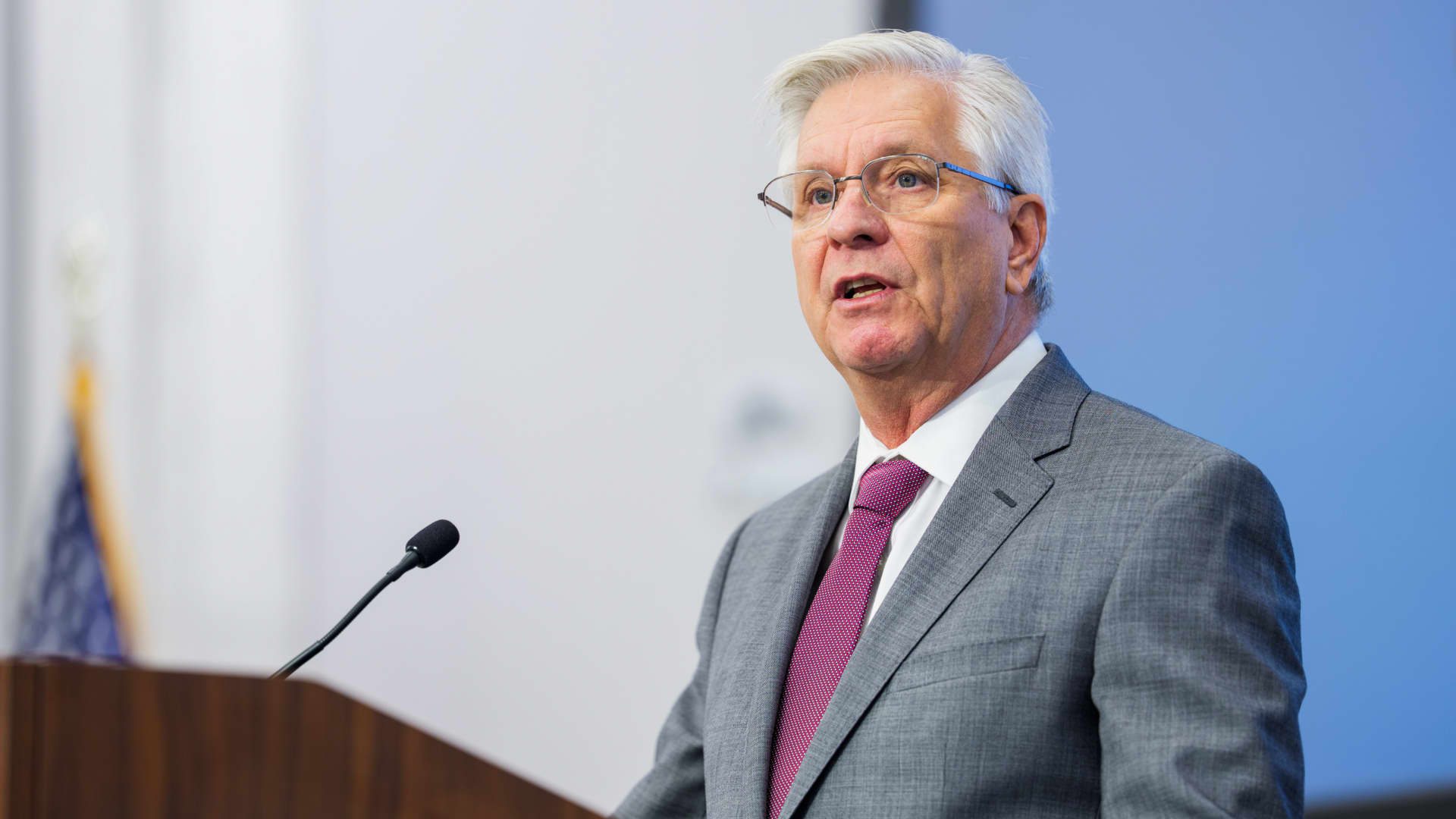
The Fed governor said inflation has expanded beyond the often-cited drivers such as the energy price spike in tariffs.
Navigating the New Inflationary Landscape: Analysis of Governor Waller's Warnings
Federal Reserve Governor Christopher Waller has signaled a critical shift in how the central bank must perceive and combat inflation. By stating that the Fed should not "fight the last war," Waller is alerting policymakers and market participants that the drivers of inflation have evolved. The core of his argument is that the inflationary pressures currently impacting the U.S. economy are no longer confined to the transient, supply-side shocks that characterized the immediate post-pandemic era. This perspective suggests a transition from a period of volatile price spikes to a more systemic and embedded form of inflation.
Moving Beyond the "Last War"
When Waller refers to "fighting the last war," he is specifically addressing the tendency to attribute inflation to historical catalysts such as the energy price shocks resulting from geopolitical instability or the cost increases associated with trade tariffs. In the early stages of the current inflationary cycle, these external shocks were the primary culprits. However, Waller argues that inflation has now expanded beyond these narrow drivers. This implies that the "sticky" nature of current price increases is likely rooted in deeper economic factors—such as wage-price spirals, service-sector demand, and structural labor shortages—rather than just the cost of oil or imported goods.
The Persistent Threat of Rate Hikes
Perhaps the most significant takeaway from Waller's commentary is the explicit warning that interest rate hikes remain a possibility. In the world of central banking, this is a "hawkish" signal. It indicates that the Federal Reserve is not yet convinced that inflation is on a sustainable downward trajectory toward its 2% target. By keeping the door open for further tightening, Waller is managing market expectations to prevent a premature rally based on the assumption that the Fed has reached its peak rate. This cautious approach ensures that the economy does not overheat if inflation proves to be more resilient than currently forecasted.
The Macroeconomic Implications of Diversified Inflation
The expansion of inflation beyond energy and tariffs represents a complex challenge for the Federal Reserve's dual mandate of price stability and maximum employment. When inflation is driven by energy prices, it is often viewed as a temporary external shock. However, when inflation permeates across various sectors of the economy, it becomes "broad-based." Broad-based inflation is significantly harder to eradicate because it influences the expectations of consumers and businesses alike. If companies expect prices to continue rising, they raise their own prices preemptively, creating a self-fulfilling prophecy that requires more aggressive monetary intervention to break.
Market Sentiment and Future Economic Trends
Waller's comments are likely to introduce a period of volatility in the bond and equity markets. Investors typically crave certainty, and the possibility of further hikes suggests that the "higher for longer" interest rate environment may persist. This puts pressure on valuations for growth stocks and increases the cost of borrowing for corporations and homeowners. Looking forward, the trend will likely be a rigorous data-dependency; the Fed will be scrutinizing Core PCE (Personal Consumption Expenditures) and labor market reports with extreme precision to determine if the "new war" against inflation requires more ammunition in the form of rate increases.
Conclusion
In summary, Governor Christopher Waller's analysis underscores a pivotal realization: the inflation of today is not the inflation of yesterday. By decoupling current price pressures from the energy and tariff shocks of the past, Waller is advocating for a modern, agile monetary strategy. While the Fed hopes to avoid further tightening, the warning that hikes are still on the table serves as a necessary hedge against an economy that refuses to cool down. The path forward will require a delicate balance between suppressing systemic inflation and avoiding a hard landing for the broader economy.