Fed officials see another hike coming, but no sign as to when, minutes show
Source Entity
US Top News and Analysis
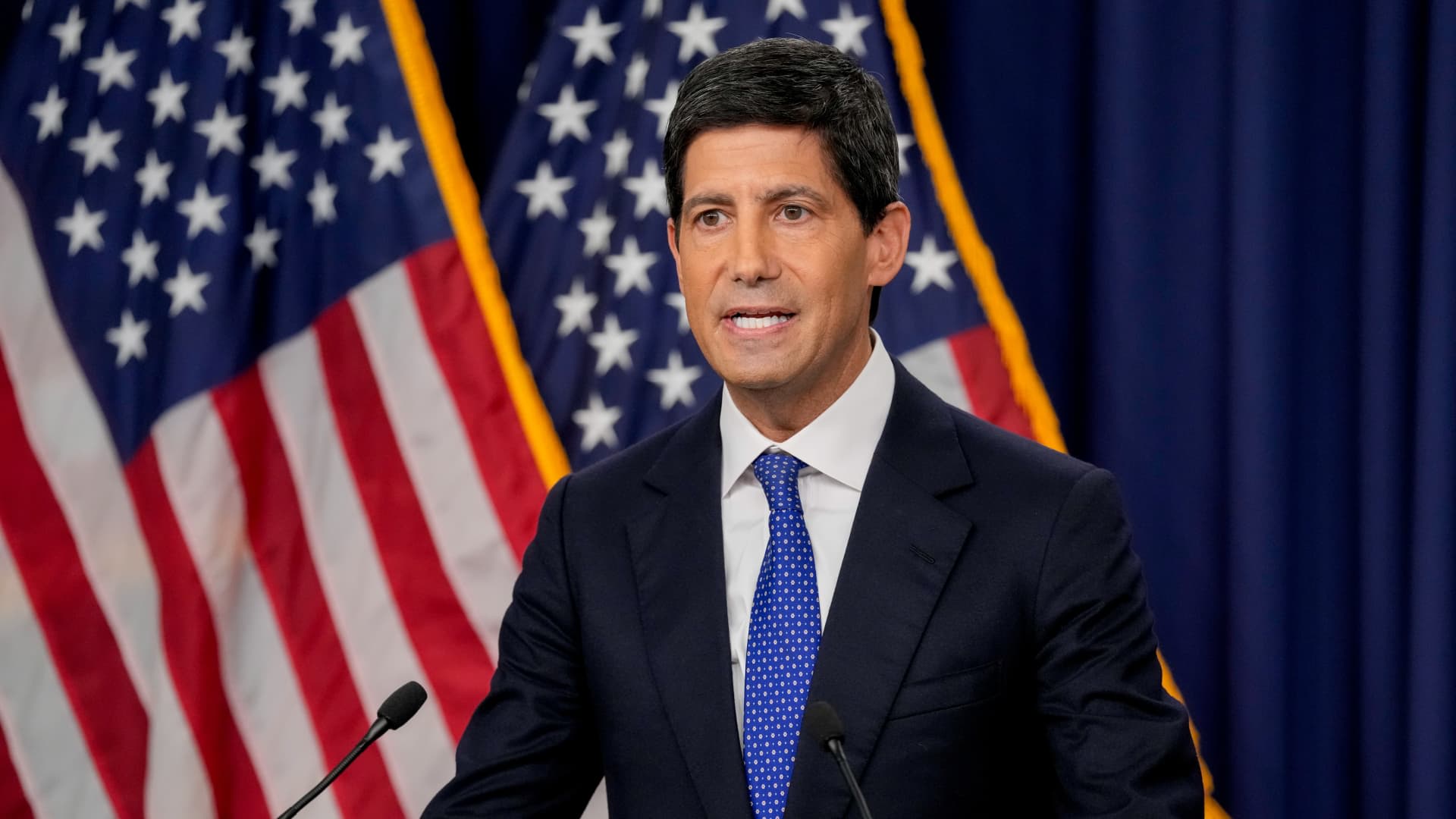
Federal Reserve minutes indicate officials plan to raise interest rates again before the year ends to combat persistent inflation. While a hike is expected, policymakers remain cautious and have provided no specific timeline for the move.
Federal Reserve Signals Further Monetary Tightening
The Federal Reserve’s release of minutes from its September 15-16 policy meeting has provided a clearer, albeit cautious, window into the central bank's strategy for the remainder of the year. The primary takeaway is a consensus among officials that an additional interest rate hike is likely necessary before the year concludes to address inflation that has consistently exceeded the Fed’s target for over five years.
The Inflationary Context
For more than half a decade, inflation has remained a primary concern for Federal Reserve policymakers. The decision to implement a rate hike in September was framed by many officials as a strategic insurance policy—a proactive measure taken specifically in case inflationary pressures prove to be 'sticky' or resistant to initial cooling efforts. By raising the cost of borrowing, the Fed aims to temper economic demand, thereby preventing the economy from overheating.
Lack of a Specific Timeline
Despite the clear intent to raise rates again, the meeting minutes are conspicuously vague regarding the precise timing of this action. While the Fed has upcoming policy meetings scheduled for October 28 and December 9, officials have declined to commit to either date. This ambiguity suggests that the Federal Reserve is maintaining maximum flexibility, allowing economic data incoming over the next few months to dictate the exact moment for the next move.
A Cautious Approach to Monetary Policy
It is critical to note that while the Fed is leaning toward another hike, there is no appetite for a rapid, aggressive series of interest-rate increases. The minutes reflect a note of caution, emphasizing that policy decisions will remain data-dependent. This measured approach is intended to balance the need for price stability with the desire to avoid stifling the stable labor market that has supported the broader economy.
Economic Implications and Future Trends
Moving forward, market participants will be closely scrutinizing employment reports and consumer price indices to gauge the likelihood of an October versus December hike. The Fed’s current stance suggests a 'wait-and-see' philosophy. Should inflation data continue to show resilience, the Fed is prepared to act, but they are clearly attempting to avoid over-tightening, which could inadvertently jeopardize the labor market's stability.
Conclusion
The Federal Reserve's recent communications confirm that the tightening cycle is not yet complete. By prioritizing flexibility and caution, the central bank is attempting to navigate the complex challenge of curbing long-term inflation without triggering an economic downturn. All eyes now turn to the late October and early December meetings, where the path for the final months of the year will finally be solidified.
Multiple Citing Sources