Used car prices fall in Q3, while demand for fuel-efficient vehicles grows
Source Entity
US Top News and Analysis
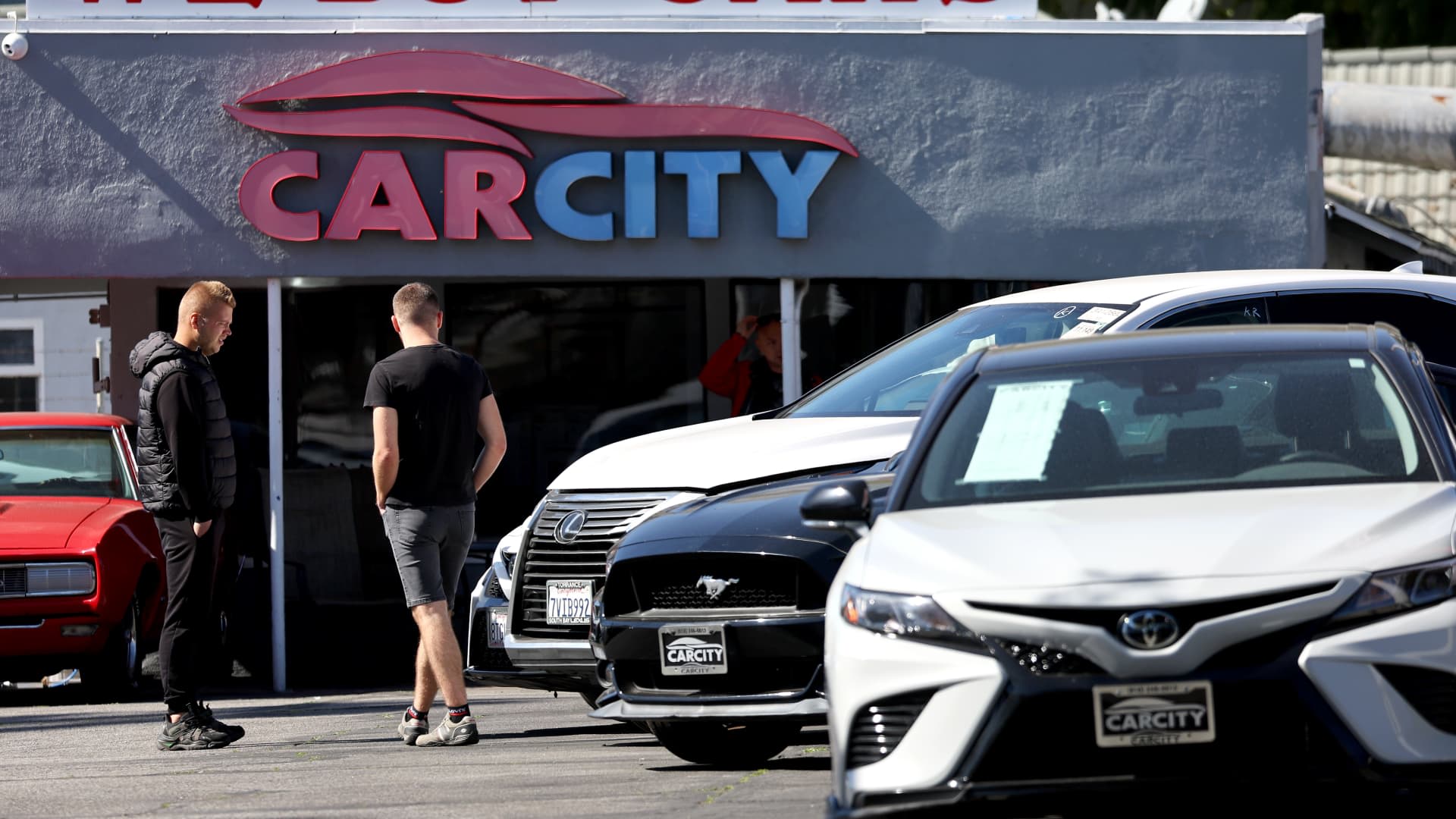
Used vehicle prices are projected to decline further in 2024 due to inflationary pressures and high fuel costs. Consumer interest is shifting toward fuel-efficient models as market trends stabilize following pandemic-era volatility.
The Shifting Landscape of the Used Vehicle Market
Recent data from Cox Automotive indicates a significant cooling in the used vehicle market, with projections for the Manheim Used Vehicle Value Index being drastically revised downward. Initially anticipated to see a 2% increase, the forecast has been slashed to a marginal 0.2% growth for the year. This shift reflects a broader economic reality where high gas prices and persistent inflationary pressures are fundamentally altering consumer behavior and purchasing power across the United States.
The Impact of Economic Headwinds
The American consumer is currently navigating a complex financial environment characterized by rising interest rates and stagnant sentiment. These macroeconomic factors have directly impacted the used car sector, which is now experiencing its third consecutive year of relatively flat pricing after the extreme volatility seen during the COVID-19 pandemic. The transition from a period of rapid price appreciation to a more stagnant or declining market suggests that the supply-demand imbalance that defined the pandemic era is finally normalizing.
Analyzing the Q3 Decline
Data from the third quarter of the year provides a clear snapshot of this downward trend, with a 1.95% decline recorded in the index between July and September. Notably, September saw a 0.6% year-over-year decline, marking a significant milestone as it was the first time since March 2025 that the monthly index failed to surpass its previous year’s performance. This trend suggests that the market is beginning to feel the cumulative weight of long-term economic stressors on household budgets.
The Pivot to Efficiency
As fuel costs remain a primary concern for the average household, there is a discernable shift in market demand toward more fuel-efficient vehicles. This change in preference is not merely a reaction to current gas prices but represents a strategic adjustment by buyers attempting to hedge against future inflationary volatility. Automotive manufacturers and dealers are now forced to pivot their inventory strategies to align with this consumer demand for efficiency over traditional size or power metrics.
Future Outlook and Market Stability
Looking ahead to the fourth quarter, the combination of rising interest rates and softened consumer sentiment will likely continue to suppress aggressive pricing in the used car market. While the era of pandemic-induced price spikes appears to be firmly in the rearview mirror, the market is entering a phase of cautious stabilization. Experts suggest that as long as inflationary pressures persist, the demand for value-oriented, fuel-efficient transportation will remain the primary driver of automotive market dynamics for the foreseeable future.