Higher rates could be needed to avoid 'inflationary mindset' taking hold, says Fed's Hammack
Source Entity
US Top News and Analysis
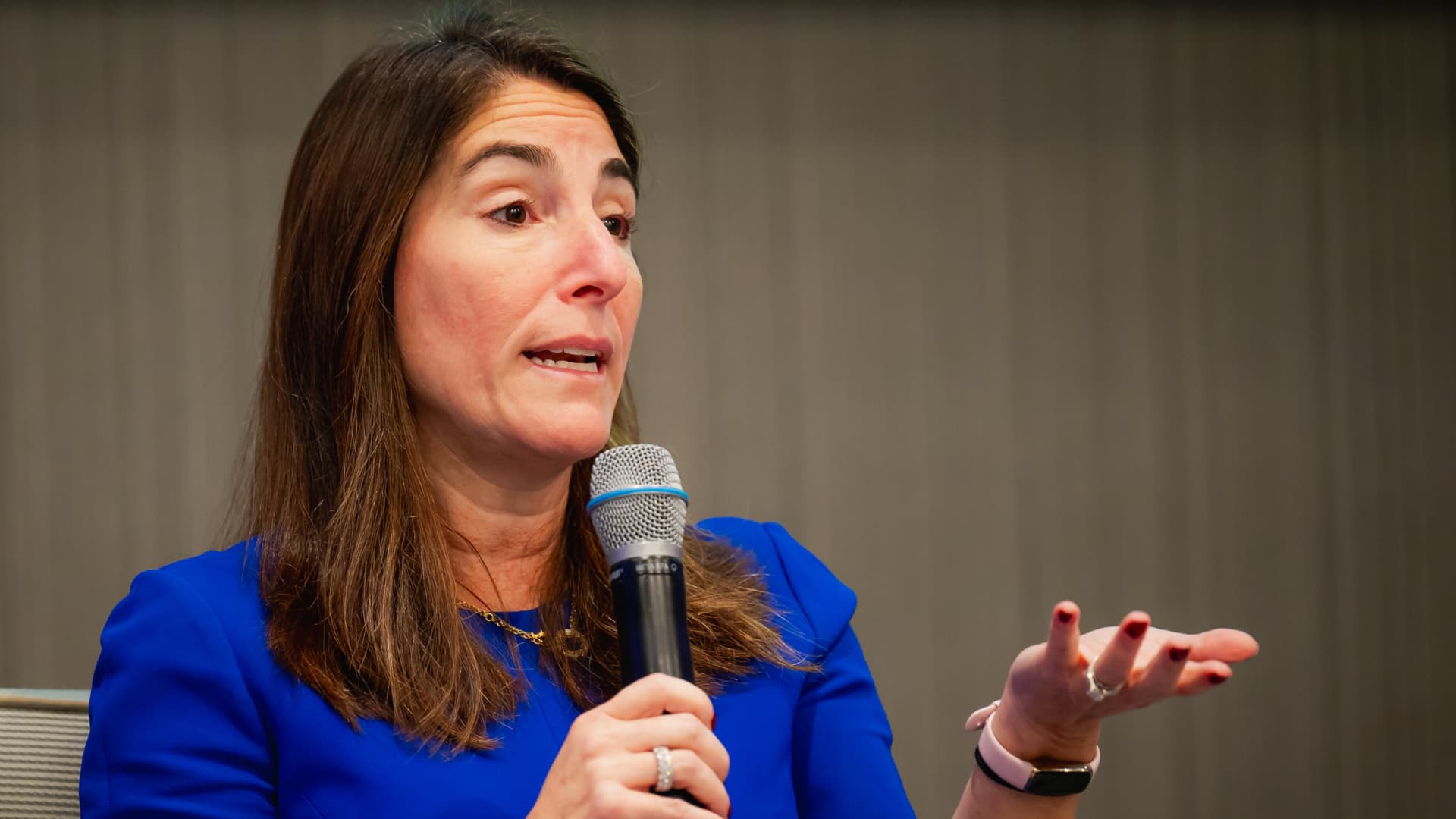
Federal Reserve officials are debating the necessity of interest rate hikes to combat persistent inflation. Cleveland Fed President Beth Hammack advocates for quick, incremental adjustments to avoid needing more drastic policy corrections later.
The Fed's Delicate Balancing Act: Navigating Inflationary Risks
The Current Monetary Landscape
The Federal Reserve finds itself at a critical juncture as it navigates the persistent challenge of inflation. While there is a prevailing sentiment among some officials to pause interest rate hikes during the current month, the specter of rising prices continues to loom over policymakers. This potential for inflationary pressure is driving discussions regarding the late October meeting, where the central bank must decide whether current market conditions necessitate a shift in monetary strategy.
The Argument for Incremental Tightening
Cleveland Fed President Beth Hammack has emerged as a key voice in this debate, emphasizing the importance of proactive monetary policy. During recent remarks at the National Association of Business Economics annual gathering, Hammack argued that tighter policy may be essential to prevent an 'inflationary mindset' from becoming entrenched within the economy. Her perspective highlights the central bank's fear that if inflation expectations become unanchored, the long-term cost to the economy could be significantly higher.
The Strategy of 'Fast, Incremental' Adjustments
Hammack’s approach advocates for a specific tactical shift: making smaller, more frequent adjustments to interest rates rather than relying on infrequent, large-scale movements. By acting relatively quickly, the Fed aims to maintain control over economic variables without causing the volatility associated with sudden, massive course corrections. This methodology reflects a broader institutional preference for stability, aiming to steer the economy toward a soft landing while tempering price growth.
Macroeconomic Implications and Risks
The broader implications of these decisions are profound, affecting everything from consumer borrowing costs to corporate investment strategies. The Federal Reserve must balance the risk of stifling economic growth through excessive tightening against the danger of allowing inflation to persist. Hammack’s stance as a voting member of the policymaking committee signals that the internal debate is focused on precision and timing, with a clear preference for avoiding the necessity of more aggressive actions in the future.
Looking Toward Future Policy
As the Fed approaches its late October meeting, the upcoming inflation data will serve as the primary catalyst for decision-making. The tension between the desire to hold off on immediate hikes and the pressure to implement tighter policy creates a complex environment for investors and analysts alike. Ultimately, the Fed's ability to maintain credibility will depend on its capacity to read these data inputs accurately and communicate its strategy clearly to the market.
Conclusion
The Federal Reserve's current dilemma underscores the difficulty of managing a post-inflationary economy. With officials like Beth Hammack prioritizing early, incremental interventions, the central bank is signaling a cautious but firm commitment to price stability. Whether this strategy will be sufficient to quell inflationary concerns remains the defining question for the U.S. economy as it heads toward the end of the year.