New camera guidelines for female athletics coverage
Source Entity
BBC News
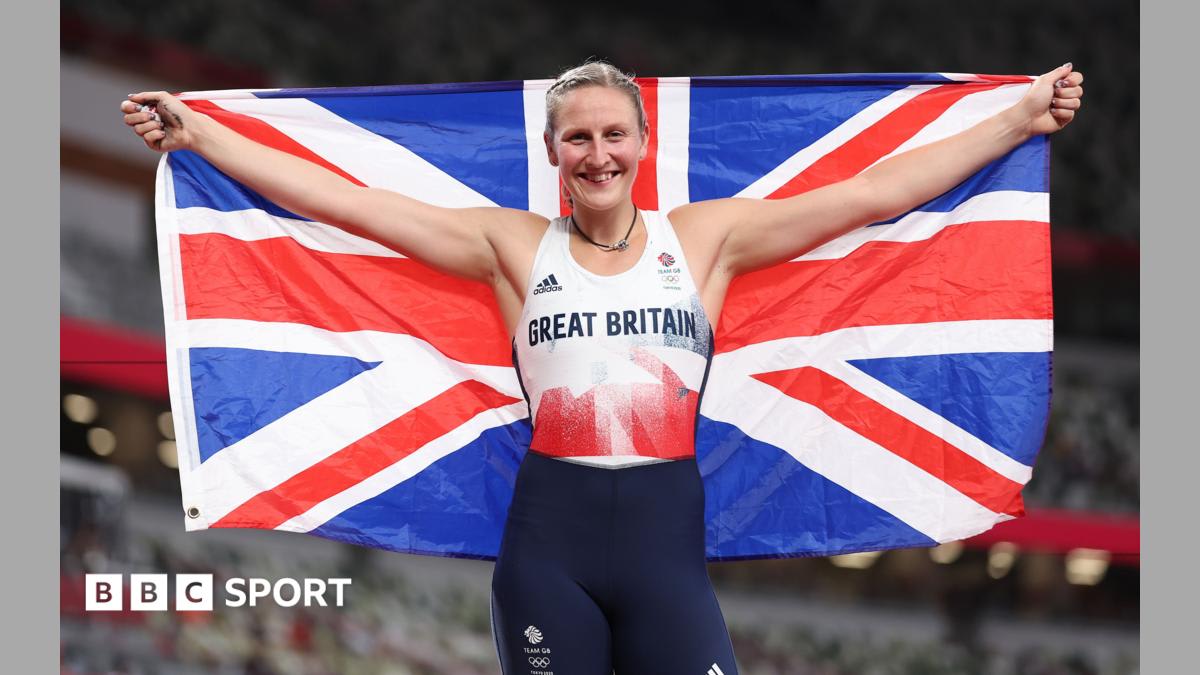
New broadcasting guidelines have been introduced to ensure more respectful and appropriate camera angles during the coverage of female athletics events, aiming to prioritize athletic achievement over sexualization.
Promoting Dignity: New Camera Guidelines for Female Athletics
The introduction of new camera guidelines for the coverage of female athletics marks a significant shift in the intersection of sports broadcasting and gender sensitivity. By advising broadcasters on the use of more respectful camera angles, the initiative seeks to fundamentally change how female athletes are presented to a global audience. This move is not merely a technical adjustment but a cultural pivot toward prioritizing the athletic prowess and professional achievements of women over the aesthetic or sexualized framing that has historically plagued women's sports coverage.
Addressing the "Male Gaze" in Sports Media
Historically, the broadcasting of women's sports has often been criticized for employing the "male gaze," where camera operators frequently utilize tight close-ups or low-angle shots that emphasize the athlete's physique rather than their performance. These guidelines directly address this systemic issue by encouraging a shift toward wider shots and angles that capture the full scope of the athletic feat. By focusing on the biomechanics of the sport—the power of a sprint, the grace of a jump, or the endurance of a long-distance run—broadcasters can ensure that the narrative remains centered on the competition itself.
Operationalizing Respect in Live Broadcasts
Implementing these guidelines requires a concerted effort from production teams, including directors and camera operators, who must now operate under a more rigorous ethical framework. The transition from subjective "appropriateness" to objective standards helps eliminate ambiguity in the control room. When broadcasters are explicitly guided to avoid intrusive angles, it reduces the likelihood of shots that could be perceived as voyeuristic or disrespectful. This operational shift ensures that the visual storytelling of the event aligns with the dignity and professionalism expected in a high-stakes sporting environment.
The Psychological Impact on Athletes
Beyond the viewer's experience, these guidelines have profound implications for the athletes themselves. The awareness of how one is being filmed can impact a competitor's mental state and focus. When athletes feel that the media coverage is respectful and focused on their skill, it fosters a more supportive environment that empowers them to perform at their peak. Conversely, the feeling of being objectified by a camera lens can be a significant distraction and a source of stress, making these guidelines a crucial step in protecting the mental well-being of female competitors.
Setting a Precedent for Global Sports Broadcasting
While these guidelines specifically target athletics, they set a powerful precedent for other sports that feature female athletes in revealing or form-fitting attire, such as gymnastics, swimming, and beach volleyball. The athletics world often serves as a bellwether for broader sporting trends; therefore, the success of these guidelines could lead to a universal standard across all Olympic and professional sports. This movement suggests a broader industry realization that the commercial value of women's sports is tied to the respect and legitimacy afforded to the athletes.
The Future of Equitable Media Coverage
Looking forward, it is likely that these guidelines will evolve into mandatory regulations enforced by sporting governing bodies. We can predict a trend where athletes themselves may have more input into the broadcasting standards of their events, potentially leading to the creation of "media ethics boards" within sports federations. As the demand for women's sports continues to grow globally, the pressure on networks to maintain a professional and empowering visual language will only increase, ensuring that the legacy of these athletes is defined by their records and medals rather than a camera angle.
Summary
In conclusion, the new camera guidelines for female athletics represent a vital step toward gender equity in sports media. By moving away from sexualized framing and toward a focus on athletic excellence, broadcasters are helping to reshape the public perception of female athletes. This initiative not only protects the dignity of the competitors but also elevates the quality of the broadcast, ensuring that the focus remains where it belongs: on the extraordinary achievements of the athletes.