Headers caused brain disease in 1966 World Cup winner Nobby Stiles, coroner finds
Source Entity
BBC News
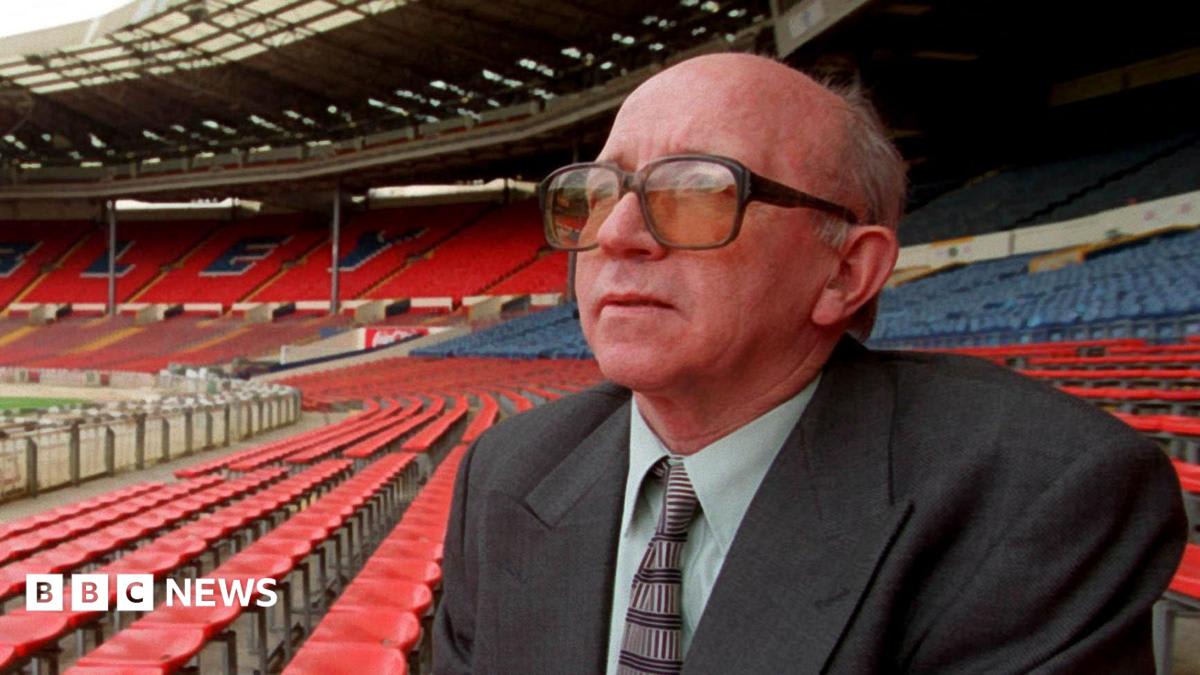
A coroner has officially ruled that repetitive heading of footballs caused the brain disease that led to the death of Nobby Stiles, a legendary member of England's 1966 World Cup-winning team.
The Tragic Legacy of a Champion: Nobby Stiles and the Cost of the Game
The conclusion of the inquest into the death of Nobby Stiles, a cornerstone of England's historic 1966 World Cup victory, has sent shockwaves through the sporting world. The coroner's definitive finding—that the brain disease which claimed Stiles' life was caused by the repetitive heading of footballs—transforms a personal tragedy into a critical case study for athlete safety. This verdict provides a sobering reminder that the glory of the pitch can come with a devastating long-term neurological price, bridging the gap between sporting achievement and medical consequence.
Understanding the Neurological Impact: CTE and Repetitive Trauma
At the heart of the coroner's finding is the link between repetitive head impacts and the development of neurodegenerative diseases, most notably Chronic Traumatic Encephalopathy (CTE). While the context provided specifically mentions 'brain disease,' this condition typically manifests as a build-up of abnormal tau proteins in the brain, which disrupts communication between neurons. In the case of professional footballers like Stiles, the act of heading the ball—often thousands of times over a career—creates micro-traumas that, over decades, coalesce into cognitive decline, memory loss, and dementia. This finding underscores that the damage is cumulative, often remaining dormant until long after a player has retired from the professional game.
Historical Context: The 1966 Era and Equipment
To fully analyze this event, one must consider the era in which Nobby Stiles played. During the 1960s, the understanding of concussion and traumatic brain injury was virtually non-existent in professional sports. Footballers were encouraged to be 'tough,' and heading the ball was not only a tactical necessity but a celebrated skill. Furthermore, the balls used during the 1966 era were often made of heavy leather that could absorb water, becoming significantly heavier and more impactful during wet matches. This combination of a lack of medical oversight and the physical nature of the equipment likely accelerated the neurological decay experienced by players of that generation.
Systemic Implications for Modern Football
This ruling places immense pressure on football governing bodies, including the FA and FIFA, to re-evaluate the safety of the game. The confirmation that a World Cup winner suffered such a fate validates the concerns of medical professionals who have long advocated for changes in how the game is taught. We are already seeing a trend toward limiting or banning heading in youth football to protect developing brains. The Stiles verdict serves as a catalyst for these policy changes, suggesting that the 'tradition' of the game must be secondary to the long-term health of the athletes.
Broader Sporting Trends and Comparative Risks
The findings in the Stiles case mirror a broader global trend across contact sports. Similar patterns of brain disease have been documented in American football (NFL) and rugby, where repetitive sub-concussive hits are now recognized as primary drivers of dementia. By linking these findings to football (soccer), the world's most popular sport, the scale of the potential public health crisis becomes apparent. If the most elite players are susceptible, it suggests that amateur and youth players are also at risk, necessitating a universal shift in how head trauma is managed across all athletic disciplines.
Conclusion: A Call for Vigilance and Reform
In summary, the coroner's verdict regarding Nobby Stiles is more than a medical conclusion; it is a call for institutional reform. While Stiles will always be remembered for his pivotal role in England's greatest sporting triumph, his death serves as a cautionary tale about the hidden costs of professional athletics. The legacy of the 1966 win is now inextricably linked to the need for rigorous neurological screening and the implementation of safer playing protocols to ensure that future generations of footballers do not pay the same price for their passion and success.