Fifa offers $40m if nations back controversial plan
Source Entity
BBC News
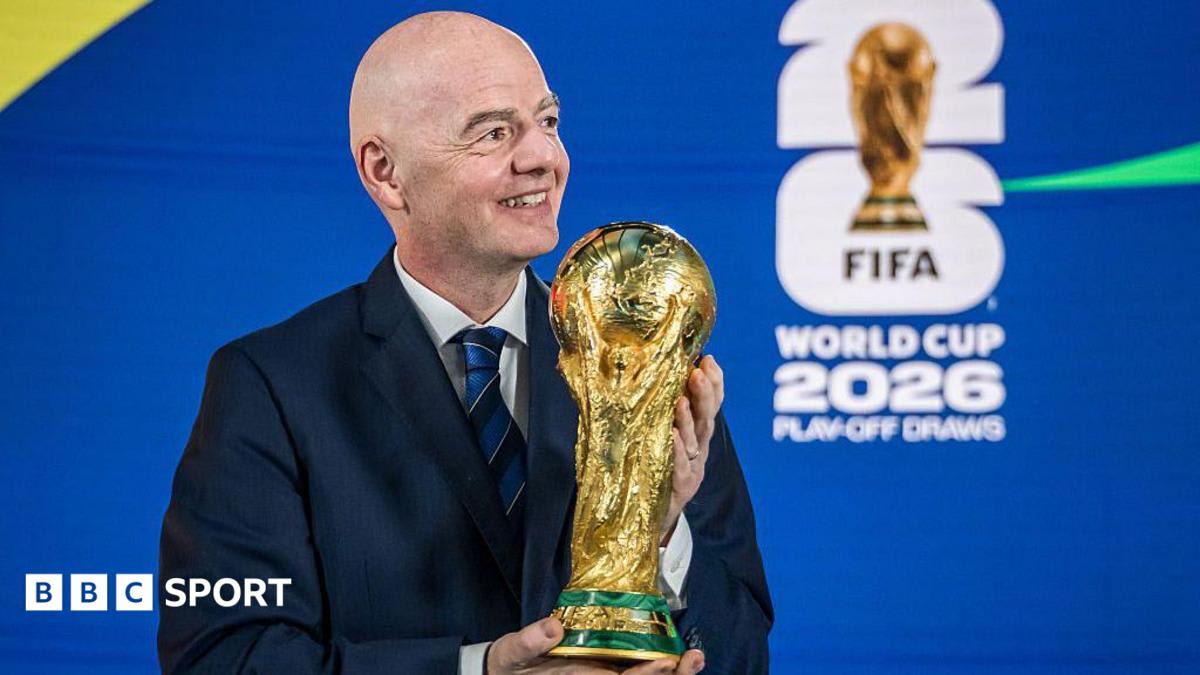
FIFA President Gianni Infantino is facing widespread backlash for a proposal to sell 20% stakes in major tournaments, including the World Cup, to private investors. Member associations have been offered $40 million in incentives to back the plan by a September 19 deadline, sparking intense criticism from UEFA and other global bodies.
The FIFA Funding Controversy: A Global Power Struggle
FIFA President Gianni Infantino has ignited a firestorm within the global football community by proposing a radical restructuring of how the sport’s most prestigious events—most notably the FIFA World Cup—are financed and managed. The core of this controversy lies in a plan to create a commercial subsidiary to oversee these major competitions, with the intention of selling up to a 20% stake to external private investors. This move represents a fundamental shift in the governing body’s operational model, moving away from traditional institutional governance toward a private-equity style investment structure.
The Financial Incentive and Deadline Pressure
To secure the necessary support for this controversial transition, Infantino has leveraged a significant financial incentive: a $40 million (£30 million) payout to each of FIFA's 211 member associations. However, this offer comes with a high-pressure ultimatum. Member federations have been given a strict deadline of September 19 to signal their approval of the plan to access an initial $20 million (£15 million) tranche. This tactic of tying development funding to the acceptance of a structural overhaul has been viewed by many observers as a coercive maneuver designed to bypass democratic debate.
Global Backlash and Accusations of Overreach
The reaction from regional governing bodies has been swift and severe. UEFA, the European governing body, has publicly condemned the proposal, stating that FIFA has "crossed a line" and asserting that the World Cup is a global cultural asset that is not the governing body’s to sell. The sentiment of incredulity and rage is not limited to Europe; federations across Asia and North America have also voiced their disapproval. Critics argue that allowing private investors to hold stakes in the World Cup threatens the integrity and the non-profit mission of the sport.
The Role of Leadership and Transparency
This initiative marks what many analysts consider the boldest move in Infantino’s decade-long tenure. Reports indicate that the proposal was orchestrated with a lack of transparency, with even several of FIFA’s eight vice-presidents allegedly kept in the dark regarding the specifics of the deal. By positioning himself as a world leader who views the "democratisation of football" as a justification for these financial changes, Infantino is testing the limits of his authority and the patience of the global footballing hierarchy.
Broader Implications and Future Trends
If successful, the move could fundamentally alter the commercial landscape of international sports. The inclusion of external investors—reportedly involving associates of US President Donald Trump—raises significant questions about the long-term influence of private capital on the world’s most popular sport. As the September 19 deadline approaches, the football world remains deeply divided. The outcome of this standoff will likely determine whether FIFA maintains its traditional governance structure or transitions into a commercially-driven entity where investor interests dictate the future of the beautiful game.
Multiple Citing Sources