5 Indians rescued after Kuwait-flagged tanker hit by projectile in Strait of Hormuz
Source Entity
Latest News: Todays Latest News Headlines from India & World | Hindustan Times | Hindustan Times
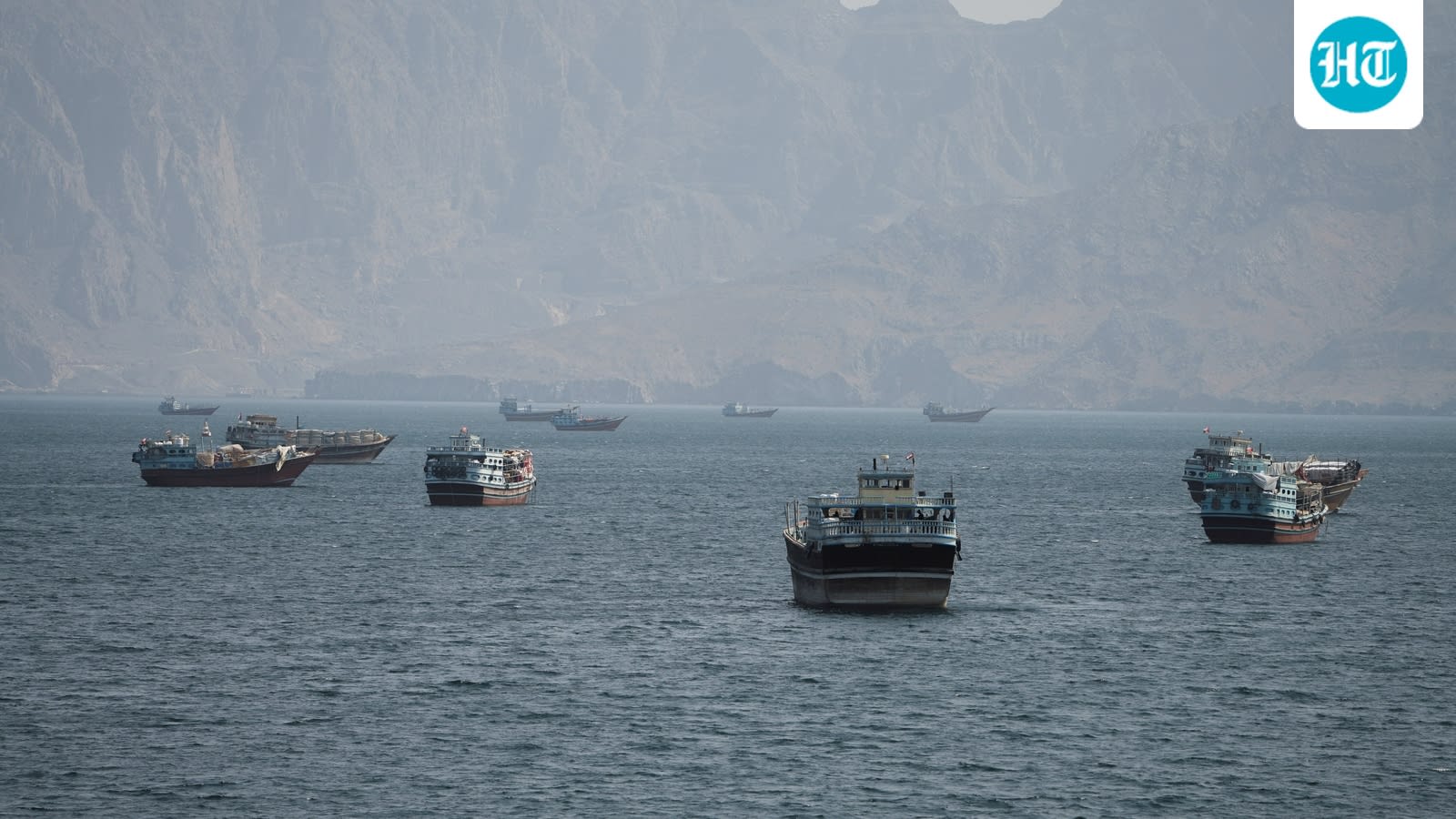
Five Indian nationals were safely evacuated to Oman after their Kuwait-flagged tanker, MT Kazimah III, was struck by a projectile in the Strait of Hormuz. The incident occurs amidst heightened regional tensions involving Houthi attacks and ongoing US-Iran geopolitical friction.
Maritime Security Crisis in the Strait of Hormuz
The recent attack on the Kuwait-flagged tanker MT Kazimah III in the Strait of Hormuz marks a significant escalation in the maritime security challenges facing the Middle East. The vessel, which was struck by a projectile while transiting this vital international waterway, necessitated an urgent rescue operation for the five Indian nationals on board. Through the swift coordination of the Indian embassy in Oman and the assistance of Omani authorities, all five crew members were safely transported ashore, preventing a potential humanitarian catastrophe.
The Strategic Importance of the Strait
The Strait of Hormuz remains one of the world's most critical maritime chokepoints, serving as a primary artery for global energy supplies. Any disruption in this area, whether through direct military action or the use of projectiles, carries immediate implications for global oil prices and shipping insurance rates. The targeting of a commercial tanker highlights the vulnerability of civilian vessels to regional power struggles, forcing nations with significant diaspora populations, such as India, to maintain constant vigilance over the safety of their citizens working in the merchant navy.
Broader Regional Instability
This incident does not occur in a vacuum; it is deeply intertwined with broader regional instability, including Houthi-led projectile attacks that have also targeted infrastructure in Saudi Arabia, such as schools in Najran. The presence of imagery depicting Iranian leadership, including the late Qassem Soleimani and Hassan Nasrallah, underscores the ideological and political dimensions of the ongoing friction. These events are part of a larger, complex landscape where non-state actors and regional powers engage in a persistent cycle of provocation and retaliation.
Geopolitical Pressure and Sanctions
The attack coincides with aggressive diplomatic maneuvering by the United States, which has pushed for the reimposition of 'snapback' UN sanctions against Iran. Furthermore, Washington has expanded its efforts to disrupt financing networks linked to groups like Hamas. By linking maritime security incidents to broader financial and political sanctions, the international community is attempting to isolate actors who threaten the status quo, though such measures often lead to increased volatility in the short term.
Future Trends and Security Outlook
Looking ahead, the safety of maritime corridors in the Middle East remains precarious. The reliance on projectile-based warfare by regional proxies suggests that commercial shipping will continue to face unpredictable threats. For nations like India, the focus will likely shift toward stronger diplomatic coordination with regional partners like Oman and Kuwait to ensure rapid response mechanisms are in place. As global powers continue to leverage economic sanctions to curb regional influence, the risk of retaliatory strikes on 'soft' targets like commercial tankers remains a persistent trend that could reshape maritime security protocols for years to come.
Multiple Citing Sources
Verification Required?