US-Iran War Live News Updates: 5 Indian nationals evacuated to Oman after projectile attack on Kuwaiti tanker
Source Entity
The Indian Express
Five Indian nationals were successfully rescued and moved to Oman after their Kuwait-flagged tanker, MT Kazimah III, was struck by a projectile in the Strait of Hormuz. The incident occurs amidst heightened regional tensions involving Houthi attacks and ongoing geopolitical friction between the US and Iran.
Maritime Security Crisis in the Strait of Hormuz
The recent projectile strike on the Kuwait-flagged crude oil tanker MT Kazimah III in the Strait of Hormuz represents a significant escalation in regional maritime insecurity. Five Indian nationals serving on the vessel were successfully evacuated to Oman following the attack. This incident highlights the extreme vulnerability of commercial shipping lanes in one of the world’s most critical energy transit chokepoints, where geopolitical rivalries frequently manifest as kinetic threats against civilian infrastructure.
The Geopolitical Landscape of the Attack
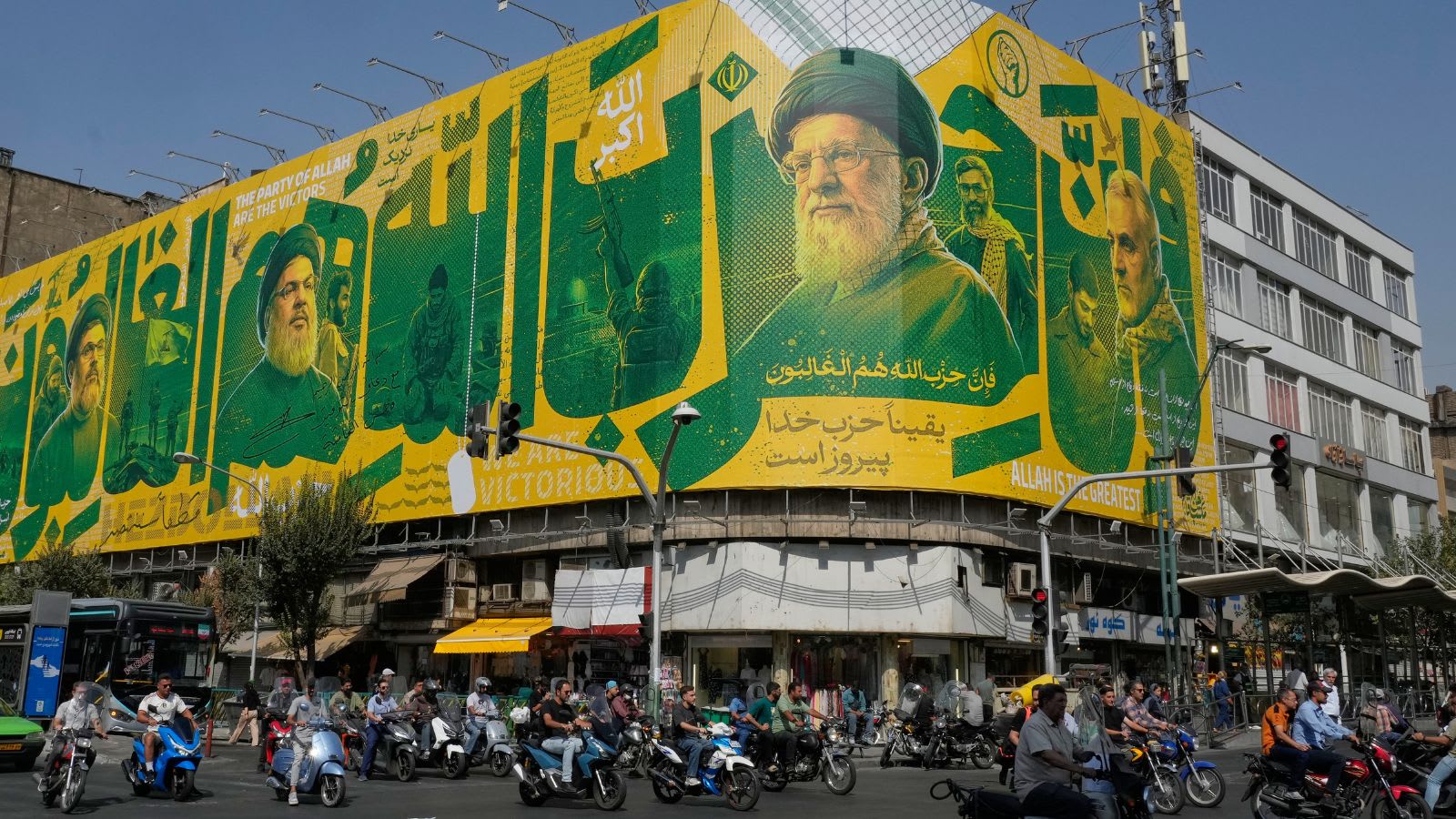
This maritime assault occurs against a backdrop of intensifying hostilities between regional actors. The Strait of Hormuz has long been a flashpoint for US-Iran tensions, compounded by the presence of groups like the Houthis who have demonstrated an increasing capability to launch projectile strikes. The visual symbolism of the region—marked by billboards featuring leaders like the late Qassem Soleimani—underscores the deep-seated ideological conflicts that continue to destabilize the Persian Gulf and surrounding waters.
Broader Regional Instability
The incident is not isolated, as reports indicate concurrent aggression, such as Houthi projectiles impacting civilian infrastructure in Saudi Arabia, specifically a school in Najran. The Saudi-led coalition’s efforts to intercept these missiles demonstrate the persistent threat posed by non-state actors in the region. These events are unfolding simultaneously with heightened diplomatic pressure, as the United States pushes for the enforcement of UN sanctions against Iran and targets financial networks linked to Hamas, further straining the delicate diplomatic equilibrium.
Humanitarian and Diplomatic Implications
The successful rescue of the Indian nationals by the Indian embassy in coordination with Omani authorities serves as a critical example of consular intervention during maritime crises. However, the recurring nature of these attacks poses significant challenges for the global shipping industry. Tankers carrying crude oil are increasingly becoming targets, creating a high-stakes environment where crew safety is precarious and operational costs for maritime security are rising.
Future Trends and Security Outlook
Moving forward, the international community faces the challenge of protecting vital trade routes from evolving projectile threats. The combination of targeted sanctions, regional proxy conflicts, and the targeting of energy assets suggests that the Strait of Hormuz will remain a high-risk zone. Future trends likely include increased naval patrols, enhanced defensive protocols for commercial vessels, and continued diplomatic friction as global powers attempt to contain the spillover effects of the broader US-Iran and Saudi-Houthi conflicts. The safety of civilian mariners remains the most immediate concern in this volatile theater of operations.