Ordered phone, received soap instead, customer wins Rs 20,574 against Flipkart
Source Entity
SAURABH THAKUR
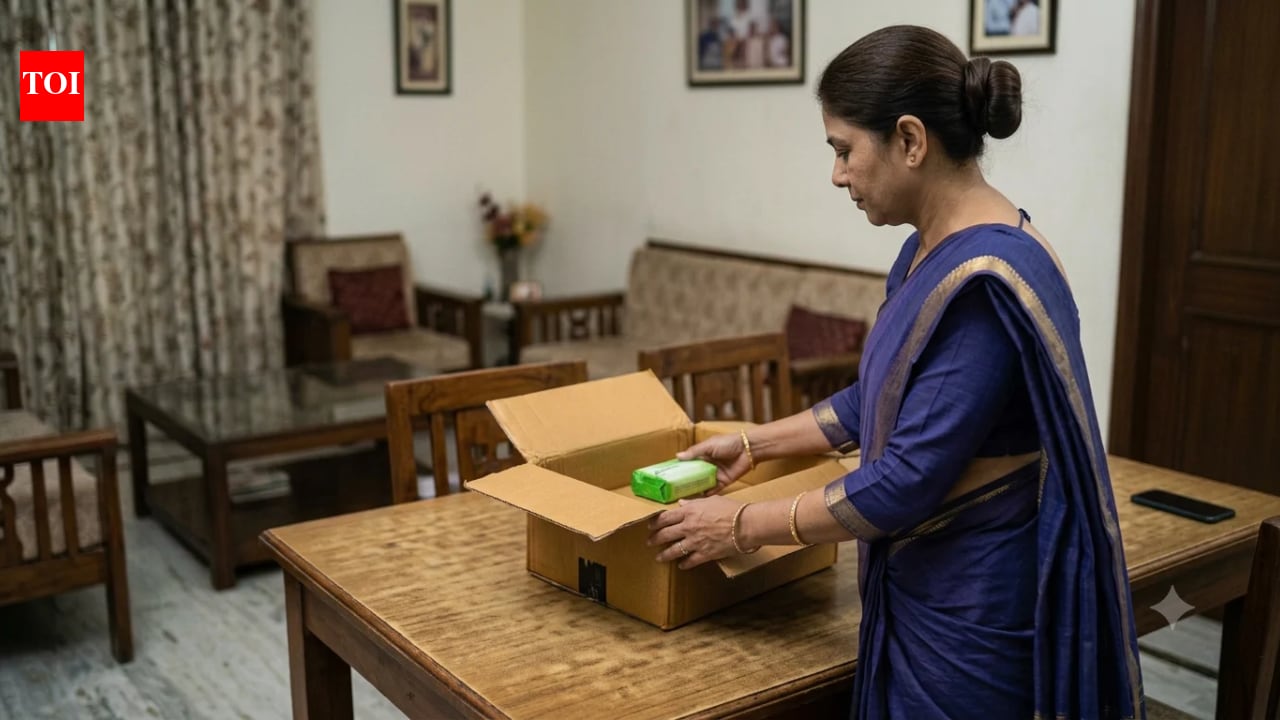
A Delhi consumer commission ordered Flipkart to pay over Rs 20,000 to a customer who received soap instead of a mobile phone. The ruling cites deficiency in service and unfair trade practices, mandating full compensation for the product, mental harassment, and legal costs.
Consumer Rights Victory: Flipkart Held Accountable for Delivery Fraud
In a significant verdict for e-commerce accountability, the Delhi district consumer commission has ruled against Flipkart Internet Pvt Ltd after a customer was delivered bars of soap instead of a purchased mobile phone. This case highlights the growing friction between digital marketplaces and consumer protections, where the promise of convenience is often marred by systemic failures in order fulfillment and dispute resolution.
The Failure of Due Diligence
The dispute arose when the customer, despite providing video evidence of the unboxing—a common safeguard recommended by many e-commerce platforms—failed to receive a satisfactory resolution through Flipkart’s internal grievance channels. By ignoring verified proof of a fulfillment error, the platform effectively forced the consumer to seek legal recourse. The commission’s decision to penalize the company underscores that internal company policies cannot supersede the statutory rights of consumers under the Consumer Protection Act.
Legal Rationale for the Ruling
The commission, comprising members including Monika Aggarwal Srivastava, Dr. Rajender Dhar, and Ritu Garodia, determined that Flipkart was guilty of both "deficiency in service" and "unfair trade practices." The legal weight of this ruling rests on the platform's failure to ensure the integrity of the supply chain. By failing to rectify the error, the platform demonstrated a breach of the implicit contract of trust between the retailer and the buyer, justifying the court's intervention.
Breakdown of Financial Compensation
The directive issued on September 18, 2026, mandates a comprehensive restitution package. Flipkart has been ordered to pay Rs 10,574 (the value of the product) along with 7 percent annual interest. Furthermore, the commission added Rs 5,000 for mental harassment and an additional Rs 5,000 for litigation expenses, totaling Rs 20,574. This order serves as a deterrent, signaling that corporations must bear the financial burden of their logistical lapses.
Broader Implications for E-commerce
This ruling serves as a broader warning to the e-commerce industry regarding the handling of customer complaints. As online shopping becomes the primary mode of retail in India, the burden of proof in cases of "wrong item delivered" often shifts unfairly onto the consumer. The commission's insistence that Flipkart comply with the order within 60 days reinforces the necessity for faster, more transparent grievance redressal mechanisms that prioritize the consumer over automated support systems.
Conclusion
The Delhi consumer commission's order is a landmark reminder that digital retail giants are not immune to the laws governing fair trade. By awarding compensation for mental harassment and legal fees, the judiciary has validated the struggle of individual consumers against large corporate entities. As the market continues to expand, such rulings will likely shape future regulations, ensuring that platforms are held strictly liable for the accuracy and safety of their deliveries.