Gold rate today: Check prices of precious metal in Bengaluru, Delhi, other cities
Source Entity
Latest News: Todays Latest News Headlines from India & World | Hindustan Times | Hindustan Times
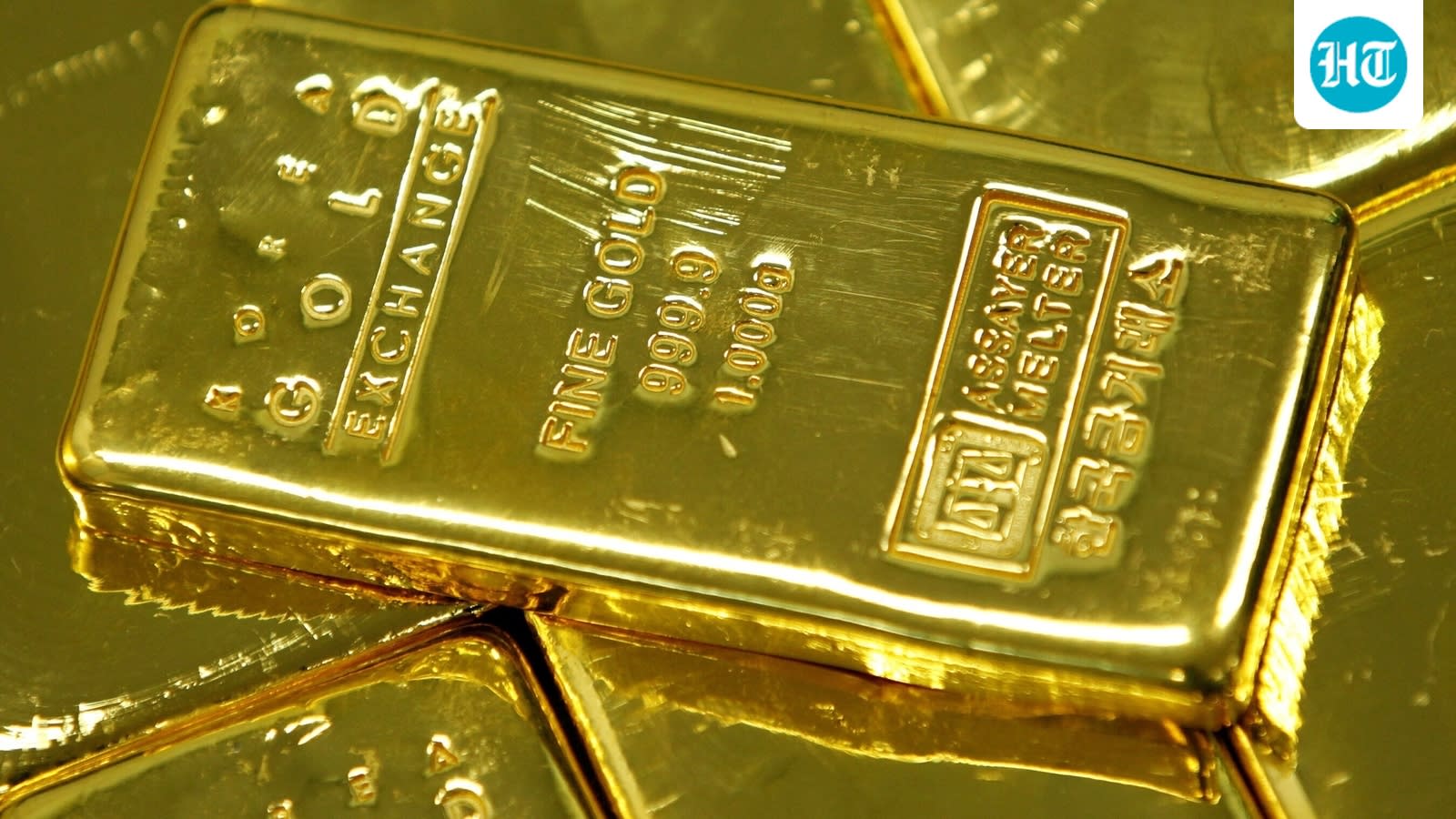
Gold prices remain volatile, pressured by rising oil costs, inflation, and US interest rate expectations. Despite a recent seven-week low, the market is seeing slight recovery ahead of the Indian festive season.
The Volatile Landscape of Global Gold Markets
Gold prices are currently navigating a complex economic environment characterized by significant downward pressure. Recent market data indicates that prices have been heavily influenced by a trifecta of macroeconomic headwinds: elevated global oil prices, persistent inflationary concerns, and the market's anticipation of sustained high interest rates in the United States. These factors have converged to create a challenging environment for the precious metal, which recently touched a seven-week low before attempting a marginal recovery.
Macroeconomic Drivers and US Monetary Policy
The correlation between US interest rates and gold is a fundamental tenet of commodities trading. When the Federal Reserve signals or maintains a hawkish stance on interest rates, the opportunity cost of holding non-yielding assets like gold increases, leading investors to favor higher-yielding instruments. This dynamic, coupled with the inflationary pressures exacerbated by volatile oil prices, has forced gold to remain under significant pressure, keeping international spot prices hovering near the $4,125 per ounce mark.
The Impact of Local Indian Market Dynamics
In India, the situation is nuanced by the intersection of global trends and domestic demand. As of September 29, retail 24-carat gold prices were reported at approximately ₹1.47 lakh per 10 grams, with 22-carat gold trading near ₹1.35 lakh per 10 grams. While global factors weigh heavily on the spot price, the looming festive season—a period traditionally synonymous with high physical demand for gold in India—acts as a secondary driver that complicates the price trajectory. Consumers must remain aware that these base rates are subject to additional costs, including making charges, taxes, and GST, which significantly affect the final point-of-sale price.
Understanding Retail Pricing Discrepancies
It is essential for investors and consumers to distinguish between international spot prices and local retail pricing. The quoted rates represent the base cost per 10 grams; however, the actual financial outlay for buyers often includes premiums added by local jewellers. These additional costs reflect the value-add of craftsmanship and mandatory government levies, which can cause the final bill to deviate substantially from the raw bullion rates cited in market reports.
Future Trends and Market Outlook
Looking ahead, the gold market is likely to remain in a state of flux as it balances the cooling effects of high interest rates against the seasonal demand spikes typical of the Indian festive cycle. If oil prices stabilize and inflation shows signs of cooling, we may see a moderation in market volatility. However, until there is a clear shift in central bank policy regarding interest rates, gold will likely continue to react sharply to any indicators of economic instability, making it a critical asset to monitor for both retail consumers and institutional investors alike.
Verification Required?