Flock Safety tries to curb police abuse of its surveillance cameras after scandals
Source Entity
Johana Bhuiyan
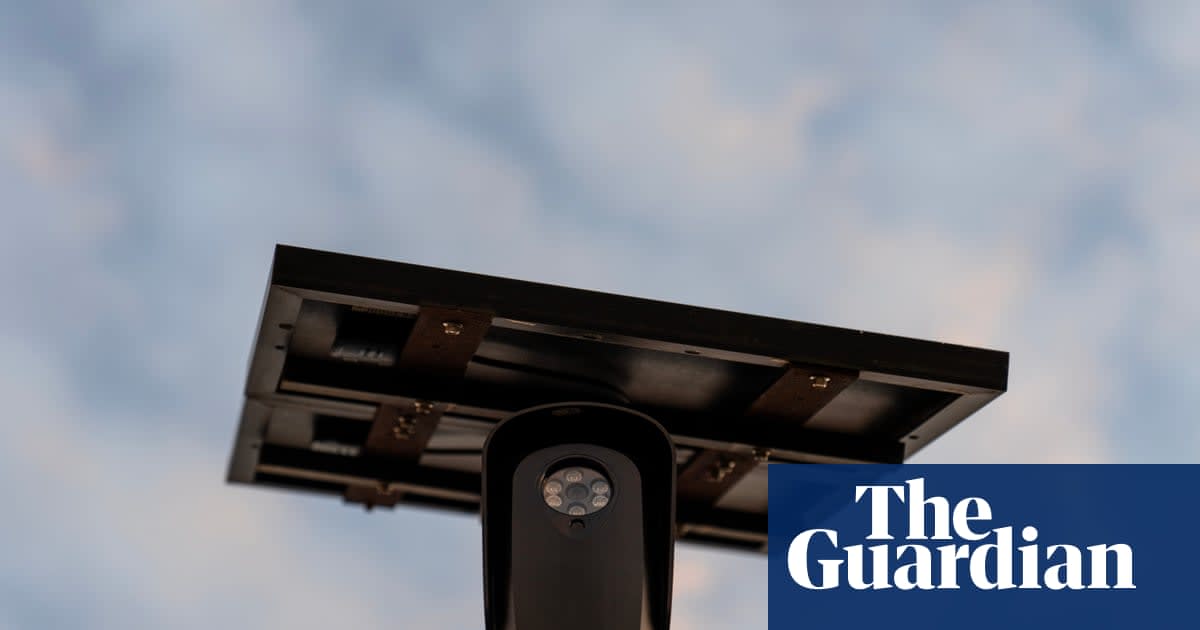
Flock Safety is mandating new audit features for law enforcement agencies to curb the misuse of its surveillance camera network. This decision follows reports of over 50 officers using the system for personal reasons, such as stalking.
The Shift Toward Accountability in Surveillance Technology
For nearly a decade, Flock Safety has quietly transformed the landscape of American public surveillance. By deploying a vast network of license plate-reading cameras across the United States, the company has enabled law enforcement agencies to conduct an staggering 20 billion scans every month. This infrastructure, initially designed to assist in solving crimes and enhancing public safety, has now reached a critical inflection point where the sheer scale of the data collected necessitates more robust oversight mechanisms.
The Failure of Voluntary Oversight
Historically, Flock Safety adopted a hands-off approach, leaving the activation of privacy and safety features entirely to the discretion of its law enforcement clients. This decentralized model proved problematic as many agencies failed to implement necessary safeguards. By allowing individual organizations to bypass these security protocols, the system inadvertently created vulnerabilities that could be exploited by those with authorized access, highlighting a significant gap in the company’s original governance model.
Addressing Systemic Abuse
The impetus for the company's recent policy pivot is rooted in alarming reports of misconduct. It has been documented that more than 50 law enforcement officers have been accused of or charged with abusing the Flock surveillance system. Among the most concerning allegations are instances where officers utilized the tracking capabilities to stalk ex-partners, turning a tool meant for public protection into an instrument of personal harassment and private surveillance.
Mandatory Auditing as a Solution
In response to these scandals, CEO Garrett Langley has announced a mandatory shift in operational policy. Moving forward, Flock Safety will require all law enforcement agencies to activate specific features designed to audit how individual officers utilize tracking data. This move toward mandated transparency signifies a transition from a 'customer-choice' framework to a 'security-first' mandate, forcing agencies to adopt accountability measures that were previously optional.
Broader Implications for Surveillance Ethics
This development raises broader questions regarding the role of private tech firms in policing the behavior of public servants. As surveillance technology becomes increasingly ubiquitous, the burden of ensuring ethical usage has shifted from theoretical concern to a practical, legal necessity. Flock Safety's attempt at damage control reflects the growing pressure on tech providers to act as stewards of the data they process, especially when that data carries the power to infringe upon individual civil liberties.
Future Trends in Law Enforcement Technology
Looking ahead, this move likely signals a new era for government-contracted surveillance technologies. We can expect future public-private partnerships to be heavily scrutinized, with mandatory audit logs, automated flagging for suspicious search patterns, and strict data retention policies becoming the industry standard. For Flock Safety, the challenge will be to balance its expansive data collection capabilities with the rigorous privacy standards required to maintain public trust in an age of increased surveillance awareness.