Florida couple's gunfire and chainsaws at weddings: Court overturns ban
Source Entity
TOI WORLD DESK
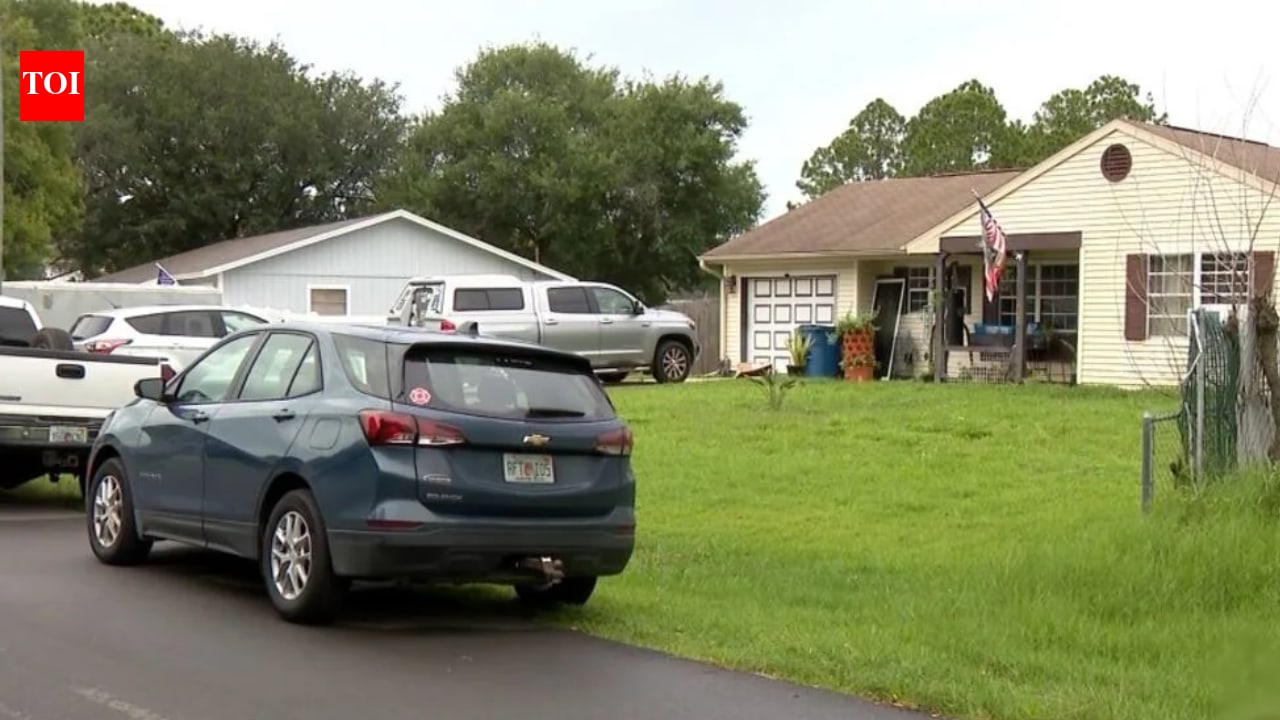
A Florida appeals court has overturned a restrictive order against a couple accused of disrupting neighboring wedding ceremonies with loud machinery and gunfire. While the immediate injunction is lifted, the ongoing legal conflict continues as the court demands stricter evidence for future restrictions.
Legal Precedent and the Florida Noise Dispute
A recent ruling by the Florida Sixth District Court of Appeal has sent shockwaves through the intersection of property rights and nuisance law. The court overturned a previous order that sought to limit the activities of a couple accused of intentionally disrupting outdoor weddings held at an adjacent 42-room historic mansion. This appellate decision highlights the rigorous evidentiary standards required to impose restrictions on private property owners, even when their activities—such as the use of chainsaws, airboat engines, and gunfire—are alleged to be malicious.
The Burden of Proof in Nuisance Law
The core of this legal reversal lies in the appellate court’s insistence on specific evidence criteria. While the lower court had attempted to curb the couple's disruptive behavior, the higher court found the initial restrictions legally insufficient. In the realm of property law, proving 'intentional nuisance' requires a high threshold of documentation. The court is essentially demanding that future injunctions be tailored precisely to the documented harm, rather than implementing broad, sweeping bans that could potentially infringe upon the rights of the accused property owners.
Conflict Between Historic Preservation and Property Rights
The historic estate at the center of this dispute serves as a popular venue for high-profile social events and weddings. The tension here reflects a classic conflict: the commercial use of a historic property versus the quiet enjoyment of neighboring land. In many jurisdictions, historic estates operate under specific zoning variances that allow for commercial events, which often creates friction with residential neighbors who may not have anticipated such high-traffic, high-noise operations when they purchased their property.
The Escalation of Hostilities
The allegations presented—ranging from the firing of guns to the revving of airboat engines—suggest a deeply personal and escalating conflict between the neighbors. The use of loud machinery specifically timed to coincide with wedding ceremonies points toward a deliberate attempt to sabotage the estate's commercial viability. This type of 'spite' behavior is notoriously difficult for courts to manage, as it often straddles the line between lawful property use and actionable harassment.
Future Trends and Civil Litigation
Although the immediate injunction has been lifted, this legal battle is far from over. The appellate court’s ruling leaves the door open for further civil nuisance claims. Future litigation will likely focus on the estate owners providing quantifiable evidence of financial loss directly tied to the defendants' specific actions. This case serves as a warning for property owners in similar disputes: without concrete, time-stamped, and corroborated proof of interference, judicial intervention remains a difficult hurdle to clear.
Conclusion
The Florida Sixth District Court of Appeal has reaffirmed that judicial constraints on property owners must be supported by ironclad evidence. As this case moves forward, the focus will shift from blanket restrictions to a more granular legal analysis of private nuisance. The outcome will likely influence how future neighborhood disputes regarding noise and property use are adjudicated within the state of Florida.