9/11 attacks inspired flydubai hijacker to become a pilot: UAE probe
Source Entity
ABHISHEK MISHRA
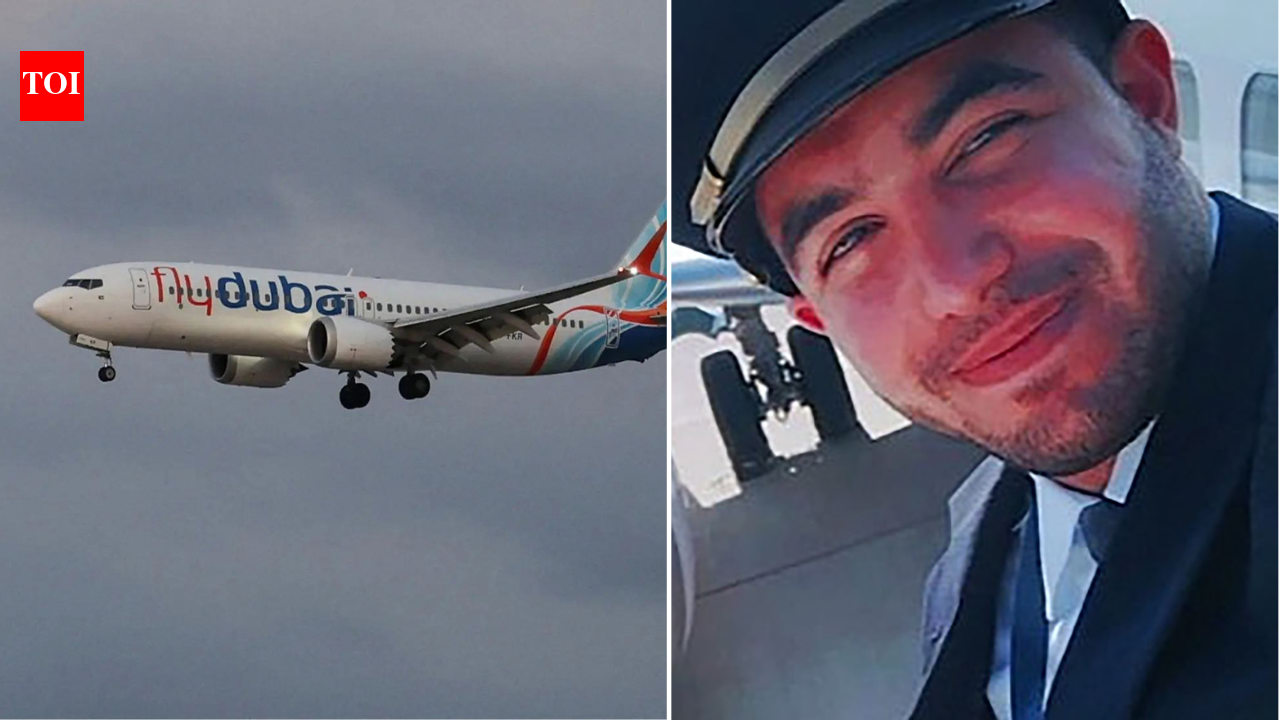
A FlyDubai co-pilot, radicalized by 9/11-inspired ideologies, allegedly attempted to crash an aircraft into Israel’s Ben Gurion Airport. The UAE prosecutor confirmed the suspect, an Omani national, conducted reconnaissance flights prior to the thwarted attack.
The Investigation into the Thwarted FlyDubai Terror Plot
Recent revelations from the United Arab Emirates (UAE) Attorney General have shed light on a harrowing, foiled terror plot involving a FlyDubai co-pilot. Authorities have confirmed that the suspect, identified as 29-year-old Omani national Hamam al-Hammami, intended to seize control of a flight bound for Tel Aviv on September 30. The objective was to crash the aircraft into the passenger terminal of Ben Gurion Airport, with the explicit goal of maximizing human casualties among the 174 passengers on board, most of whom were Israeli citizens.
The Shadow of 9/11 and Radicalization
The preliminary findings released by the UAE suggest that the co-pilot’s actions were directly inspired by the September 11, 2001, terrorist attacks in the United States. This indicates a long-term ideological grooming process. Investigators noted that the suspect’s 'drift towards terrorism' began years ago while he was a student in Australia, where he reportedly began adopting increasingly extreme Islamist views. This case underscores the persistent danger of lone-actor radicalization, even among individuals who have successfully navigated professional aviation recruitment processes.
Tactical Preparation and Reconnaissance
Evidence gathered by Emirati investigators reveals that this was not an impulsive act, but a calculated mission. The suspect had reportedly flown to Israel twice on previous flights from Dubai to Tel Aviv. These trips served as reconnaissance missions, allowing him to 'familiarize' himself with the flight path and the target area. The use of an aircraft as a weapon—a tactic pioneered by Al-Qaeda during the 9/11 attacks—remains a primary concern for international aviation security agencies, and this incident highlights the vulnerability of passenger flights to internal threats.
Scrutinizing Aviation Security Protocols
The attempted attack has placed FlyDubai’s recruitment and vetting procedures under intense scrutiny. The ability of an individual harboring such extreme views to gain access to a cockpit raises fundamental questions regarding background checks, psychological screening, and the monitoring of pilots' ideological leanings. Industry experts are now debating whether existing security protocols are sufficient to detect 'insider threats' who may appear professionally competent while harboring lethal intent.
Broader Geopolitical and Security Implications
This incident carries significant weight in the context of Middle Eastern geopolitics. The targeting of Israel’s main international airport, combined with the perpetrator's inspiration from the 9/11 attacks, highlights a continued threat vector that seeks to leverage commercial aviation to cause mass-casualty events. The fact that the flight was diverted to Saudi Arabia following an emergency signal—likely after the suspect attempted to attack the captain—suggests that real-time cockpit defense measures and crew intervention were critical in preventing a catastrophe.
Future Trends in Aviation Safety
As the investigation continues, it is expected that international aviation authorities will push for more robust, intelligence-driven vetting for airline personnel. The shift from external airport security to internal cockpit security is likely to become a focal point of global policy. This case serves as a stark reminder that despite advancements in airport screening, the human element within the flight deck remains a complex and high-stakes security challenge that requires constant vigilance.
Multiple Citing Sources