I opened cockpit door of plane while being attacked, says pilot of Israel-Dubai flight
Source Entity
BBC News
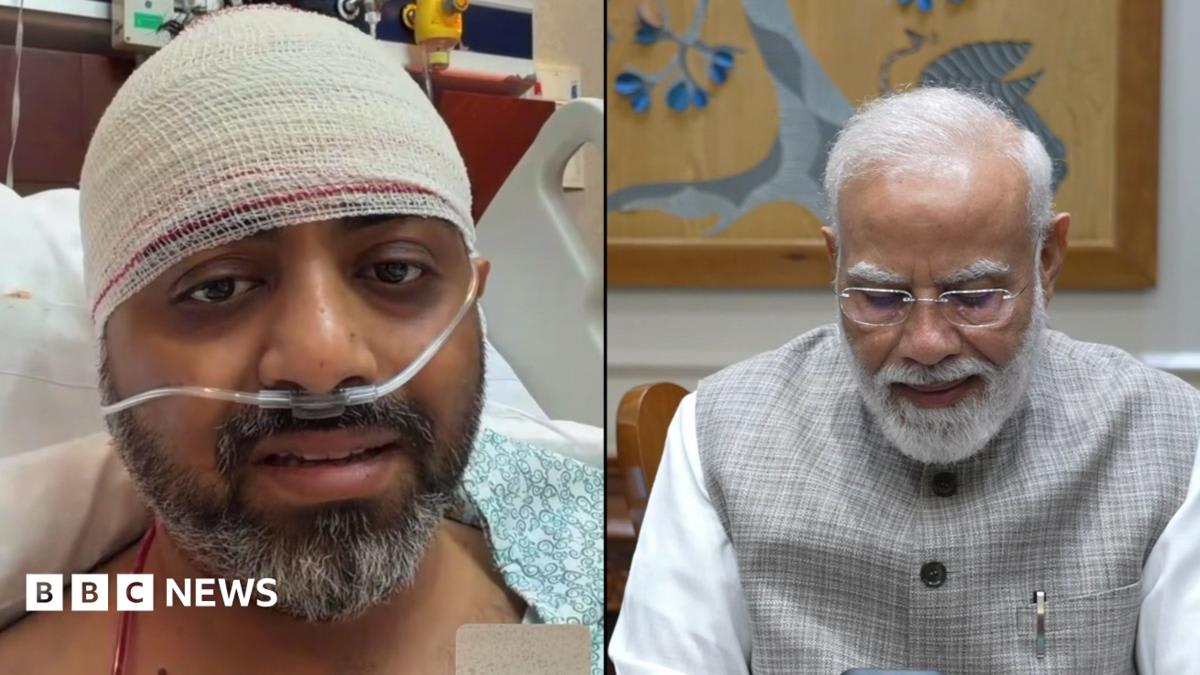
An Indian pilot, Capt. Smit Machchhar, is being hailed as a hero after surviving a mid-flight stabbing by his co-pilot on a Flydubai flight. The incident, which triggered a hijack alarm and emergency diversion to Saudi Arabia, resulted in the safe landing of all 174 passengers.
Heroic Intervention Averts Aviation Tragedy
A routine Flydubai flight from Dubai to Tel Aviv descended into chaos when a violent physical altercation broke out between the two pilots on board. Capt. Smit Machchhar, an Indian pilot, found himself in a life-or-death struggle after being stabbed by his co-pilot. Despite his severe injuries, Capt. Machchhar’s quick thinking and composure proved instrumental in preventing a catastrophic loss of life.
The Critical Choice: Securing the Cockpit
As the aircraft began a rapid, uncontrolled descent, Capt. Machchhar realized that the cockpit was no longer a secure environment. While incapacitated on the floor, he made the deliberate decision to open the cockpit door from the inside. This allowed passengers to intervene, effectively halting the plane's descent and neutralizing the threat. His actions demonstrate a profound commitment to his duty, as he prioritized the safety of the 174 souls on board—including 27 children—over his own immediate survival.
Hijack Scares and International Response
The incident triggered an immediate security response when the aircraft broadcasted transponder code 7500, the international signal for unlawful interference or hijacking. The sudden diversion to Saudi Arabia prompted high-level consultations involving Israeli Prime Minister Benjamin Netanyahu and the scrambling of fighter jets. These measures highlight the extreme caution and agility required by international security agencies when faced with ambiguous, high-stakes aviation emergencies.
Security Implications and Protocol
While initial fears pointed toward a terrorist hijacking, authorities quickly clarified that the crisis was the result of an internal brawl between flight crew members. This distinction is vital for aviation safety experts, as it shifts the focus from external security threats to internal cockpit resource management and crew psychological screening. The event serves as a stark reminder of the fragile nature of cockpit security when the human element becomes a source of instability rather than a safeguard.
A Legacy of Courage
In a subsequent video call with Indian Prime Minister Narendra Modi, Capt. Machchhar recounted the harrowing experience of fighting for his life while simultaneously ensuring the plane did not fall from the sky. His survival and the successful landing of the flight in Saudi Arabia have garnered international acclaim. As the investigation into the motives of the co-pilot continues, the aviation industry will undoubtedly scrutinize this incident to better understand how to mitigate the risks of internal crew conflicts at 30,000 feet.
Future Outlook for Aviation Safety
This incident will likely lead to a global review of pilot mental health protocols and emergency flight deck procedures. The fact that an injured pilot was able to regain control of the situation highlights the importance of training for non-standard emergency scenarios. Moving forward, airlines may place even greater emphasis on crew compatibility and real-time monitoring to ensure that the cockpit remains a place of professional collaboration rather than a scene of conflict.
Multiple Citing Sources