Foreign student enrolment in India rises 47% in a decade; Nepal remains top source
Source Entity
The Indian Express
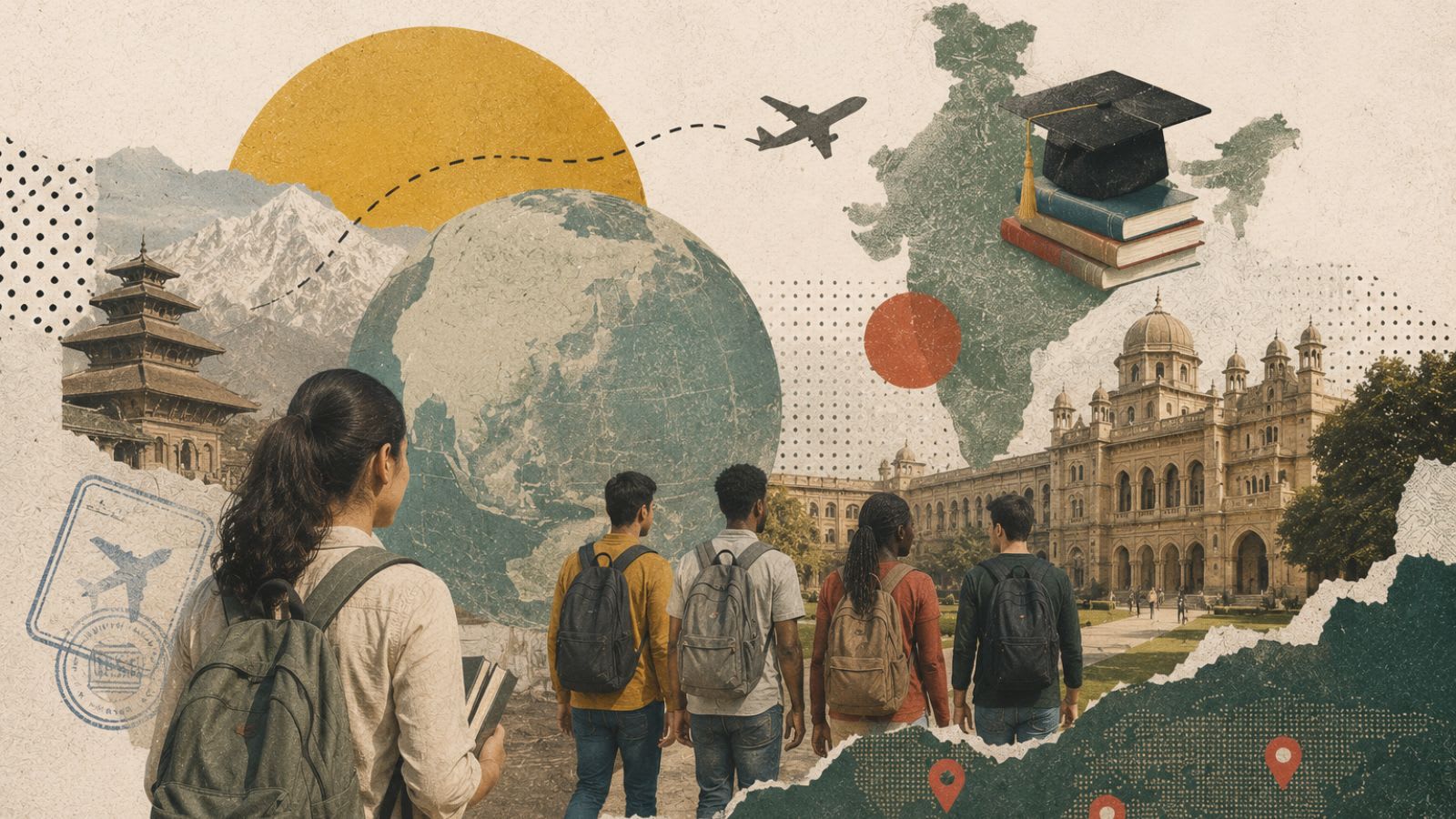
Nepal has remained the largest source of foreign students studying in India over the past decade, even as the country’s higher education sector has attracted students from more countries and seen over...
India's Emergence as a Global Education Hub: An Analysis of Rising Foreign Enrolments
India is witnessing a significant transformation in its higher education landscape, characterized by a substantial increase in international student presence. The recent data indicating a 47% rise in foreign student enrolment over the last decade underscores a strategic shift in how the country is perceived globally. This growth is not merely a numerical increase but a reflection of India's evolving capacity to provide competitive, high-quality academic programs that appeal to a diverse international demographic.
The Dominance of Nepal and Regional Synergy
Nepal remains the primary source of foreign students in India, a trend rooted in deep-seated historical, cultural, and geopolitical ties. The open border policy and shared cultural heritage make India a natural transition for Nepalese students seeking advanced degrees. Furthermore, the cost-effectiveness of Indian universities compared to Western institutions, combined with a similar socio-cultural environment, reduces the 'culture shock' and financial burden, reinforcing Nepal's position as the top contributor to India's international student population.
Analyzing the 47% Growth Trend
The nearly 50% increase in enrolment over ten years suggests that India's educational appeal is diversifying beyond its immediate neighbors. This surge can be attributed to the Indian government's proactive initiatives, such as the 'Study in India' program, which aims to simplify the admission process and provide scholarships to international students. The global demand for STEM (Science, Technology, Engineering, and Mathematics) and medical education has played a pivotal role, as India's technical institutes continue to gain prestige and recognition on the world stage.
Education as a Tool for Soft Power
From a geopolitical perspective, the influx of foreign students serves as a potent instrument of soft power. By educating the future leaders, doctors, and engineers of other nations, India fosters long-term diplomatic goodwill and creates a network of global alumni who possess a deep understanding of Indian values and systems. This academic diplomacy strengthens bilateral ties and positions India as a knowledge superpower, capable of offering sustainable and accessible education to the Global South.
Future Outlook and Strategic Challenges
To sustain this upward trajectory, India must address key challenges regarding infrastructure and the standardization of accreditation. While the growth is impressive, competing with established hubs like the US, UK, and Australia requires a further shift toward research-driven curricula and improved campus facilities. The future trend is likely to see a gradual diversification of student sources, with increased numbers from Sub-Saharan Africa and Southeast Asia as India continues to market its educational value proposition.
Conclusion
The rise in foreign student enrolment is a testament to India's growing academic influence. With Nepal remaining a cornerstone of this growth, the broader 47% increase signals a successful transition toward becoming a global destination for higher learning. By leveraging its strengths in STEM and regional diplomacy, India is well-positioned to further expand its international academic footprint in the coming decade.