Former CBI chief Nageswara Rao: ‘RSS-BJP use Hindutva to fool Hindus and get votes’
Source Entity
Deeptiman Tiwary
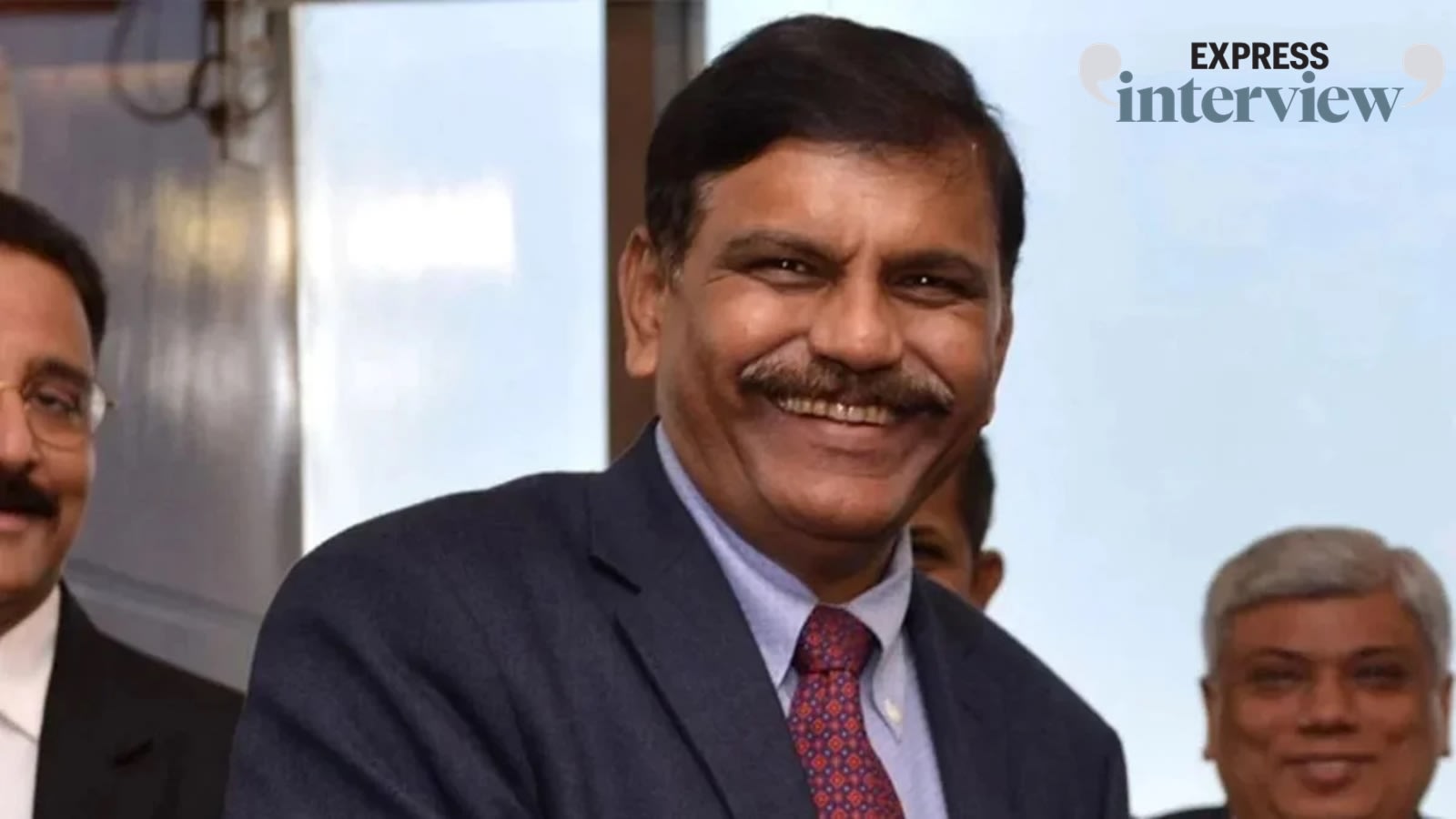
Former CBI interim director M. Nageswara Rao has entered politics as the president of the Sarvajan Sanatan Party. He intends to challenge the BJP and RSS, accusing them of practicing 'pseudo-Hindutva' ahead of the 2027 Uttar Pradesh Assembly elections.
The Political Transition of M. Nageswara Rao
M. Nageswara Rao, a retired Indian Police Service (IPS) officer who served as the interim director of the Central Bureau of Investigation (CBI) during a period of significant internal volatility in 2018, has officially entered the electoral arena. His move to lead the Sarvajan Sanatan Party (SSP), a nascent political entity established in 2021, marks a notable shift in his post-retirement trajectory. By announcing the party’s intent to contest the upcoming Uttar Pradesh Assembly elections in February 2027, Rao is positioning himself to challenge the established political hegemony in India's most populous state.
Challenging the Ideological Core
What makes Rao’s entry into politics particularly striking is his explicit pivot against the Rashtriya Swayamsevak Sangh (RSS) and the Bharatiya Janata Party (BJP). Despite having been historically associated with the ideology of the RSS, Rao has launched a scathing critique, labeling the current administration's brand of governance as "pseudo-Hindutva." By accusing the BJP-RSS ecosystem of utilizing Hindutva as a tool to "fool Hindus" and secure electoral mandates, he is attempting to carve out a niche space that claims to represent a more "authentic" interpretation of the faith than the current ruling establishment.
Strategic Implications for Uttar Pradesh
As the 2027 Uttar Pradesh Assembly elections approach, the political landscape is heavily dominated by the incumbent government led by Chief Minister Yogi Adityanath and the central leadership of Prime Minister Narendra Modi. Rao’s decision to launch the SSP's campaign in this specific theater suggests a calculated effort to disrupt the traditional vote bank. His criticism of the Adityanath and Modi administrations indicates that the SSP will likely focus its platform on grievances related to the implementation of right-wing policies, specifically targeting the perceived failures or "betrayals" of the current leadership.
Policy Positions and Future Trends
While the SSP is a fledgling organization, its platform is expected to address critical policy areas such as reservations and education. By positioning the party as an alternative for voters who feel ideologically aligned with Hindutva but disillusioned by the current BJP-led implementation, Rao is testing the resilience of the BJP’s core support base. The success of such a venture remains to be seen, as the Indian political system often poses massive barriers to entry for new, smaller parties attempting to compete against established national and regional behemoths.
A Broader Context of Dissent
Historically, the emergence of former high-ranking bureaucrats in the political sphere often brings a unique level of administrative scrutiny to the electoral discourse. Rao’s background as a former CBI chief provides him with a distinct platform to frame his criticisms of the current government, potentially lending credibility to his claims of institutional failure. His transition underscores a growing trend of ideological fracturing within the right-wing ecosystem, where former affiliates are increasingly using their insider knowledge to challenge the status quo from the outside.
Conclusion
In summary, M. Nageswara Rao’s leadership of the Sarvajan Sanatan Party represents a significant development in the lead-up to the 2027 Uttar Pradesh elections. By attacking the "pseudo-Hindutva" narrative of the BJP and RSS, he is aiming to appeal to a specific segment of the electorate that feels alienated by the current governance model. Whether this movement gains traction or remains a fringe political effort will depend on the party's ability to articulate its policy positions and mobilize support in a state where political loyalties are deeply entrenched.