Former Delhi chief secretary Rakesh Mehta dies by suicide at Noida residence
Source Entity
AYUSH PANDEY
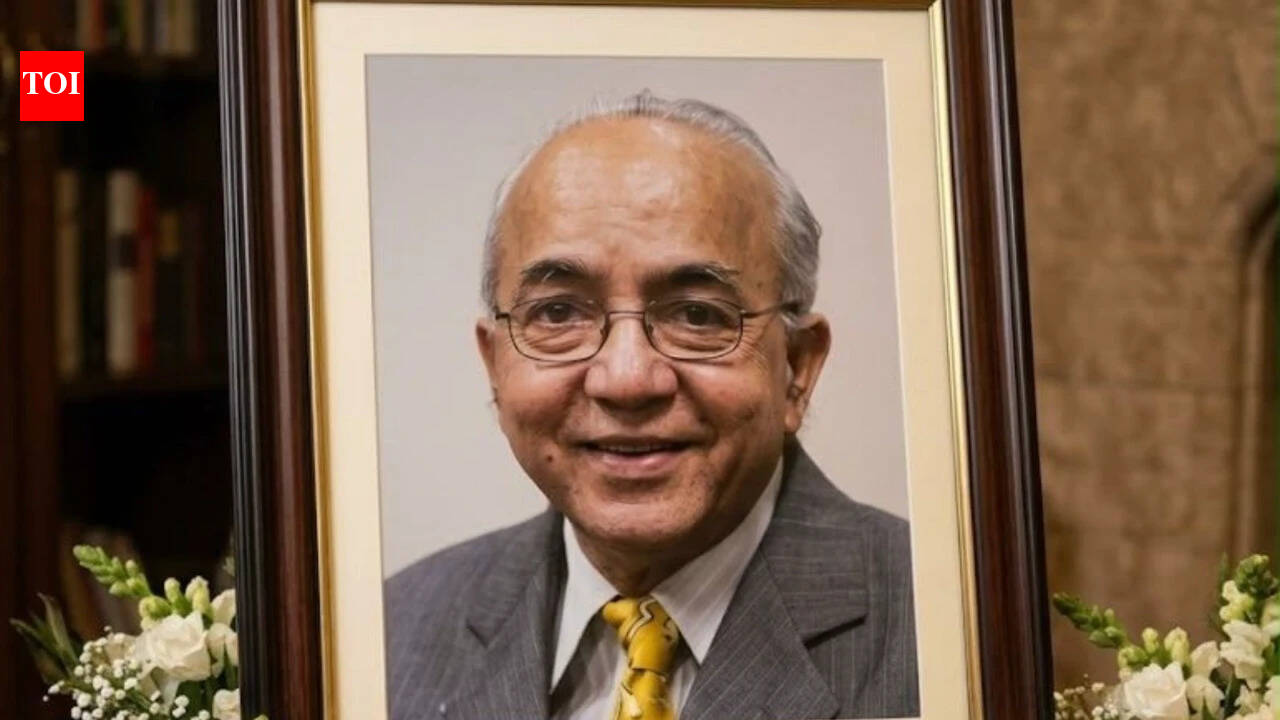
Former Delhi Chief Secretary Rakesh Mehta has passed away at 75 due to suicide at his Noida residence. Authorities recovered a note citing prolonged illness, specifically hypertension and diabetes, as the cause for his decision.
The Tragic Passing of Former Delhi Chief Secretary Rakesh Mehta
The administrative landscape of the National Capital Territory of Delhi is mourning the loss of a seasoned bureaucrat, Rakesh Mehta, a 1975-batch Indian Administrative Service (IAS) officer. Mehta, who served with distinction during a career spanning several decades, was found dead by suicide at his residence in the Kendriya Vihar 2 Society, Noida, on Sunday. The news, confirmed by local law enforcement, marks the end of a life dedicated to public service in high-stakes government roles.
A Distinguished Career in Public Administration
Rakesh Mehta was a significant figure in Delhi’s governance, most notably remembered for his tenure as the Chief Secretary of Delhi. Appointed to this critical post in 2007 under the administration of former Chief Minister Sheila Dikshit, Mehta was a key architect in the implementation of various urban and civic policies. Beyond his role as Chief Secretary, he held multiple high-ranking positions within the Municipal Corporation of Delhi (MCD), where he was instrumental in navigating the complex logistical and administrative challenges of a rapidly growing capital city until his retirement in November 2010.
Investigating the Circumstances
According to reports from the Noida Phase 2 police station, Mehta, aged 75, was living alone in a rented accommodation at the time of his passing. The discovery of his body prompted an immediate investigation by local authorities. Police have recovered a suicide note from the scene, which provides clarity regarding his final motivations. In the note, Mehta explicitly stated that his decision was driven by the toll of a prolonged illness, specifically citing struggles with hypertension and diabetes. He also clarified that no other parties were responsible for his actions, effectively closing the scope of the police inquiry into foul play.
The Human Toll of Administrative Life
While Mehta’s professional life was defined by the rigors of high-level government policy, his personal life highlights the often-isolated reality faced by many retired civil servants. Residing separately from his wife—also a retired IAS officer—and his two children, who live in their native Dehradun, Mehta’s situation underscores the challenges of managing chronic health conditions in solitude. The transition from a fast-paced career in the upper echelons of the bureaucracy to a quieter, solitary retirement is a reality that many in the public service sector must navigate.
Broader Implications for Public Health Awareness
The passing of a high-profile official like Rakesh Mehta brings necessary, albeit painful, attention to the intersection of chronic physical health issues and mental well-being in the elderly population. Hypertension and diabetes, while common, can significantly impact the quality of life when they become debilitating, particularly for individuals accustomed to the active, high-pressure environments of government administration. His death serves as a somber reminder of the importance of community support and mental health awareness for retired professionals who may be struggling with long-term health burdens.
Concluding Reflections
As the investigation concludes, the focus remains on honoring the legacy of an officer who played a pivotal role in Delhi’s administrative history. The loss of Rakesh Mehta is a profound moment for the IAS fraternity and the citizens of Delhi who benefited from his years of service. His life and career stand as a testament to the complexities of public service, while his final days highlight the ongoing need for compassion and support systems for those facing the challenges of aging and illness.
Multiple Citing Sources