Saharanpur’s mosque legal labyrinth: How an eviction order paved way for demolition
Source Entity
Latest News: Todays Latest News Headlines from India & World | Hindustan Times | Hindustan Times
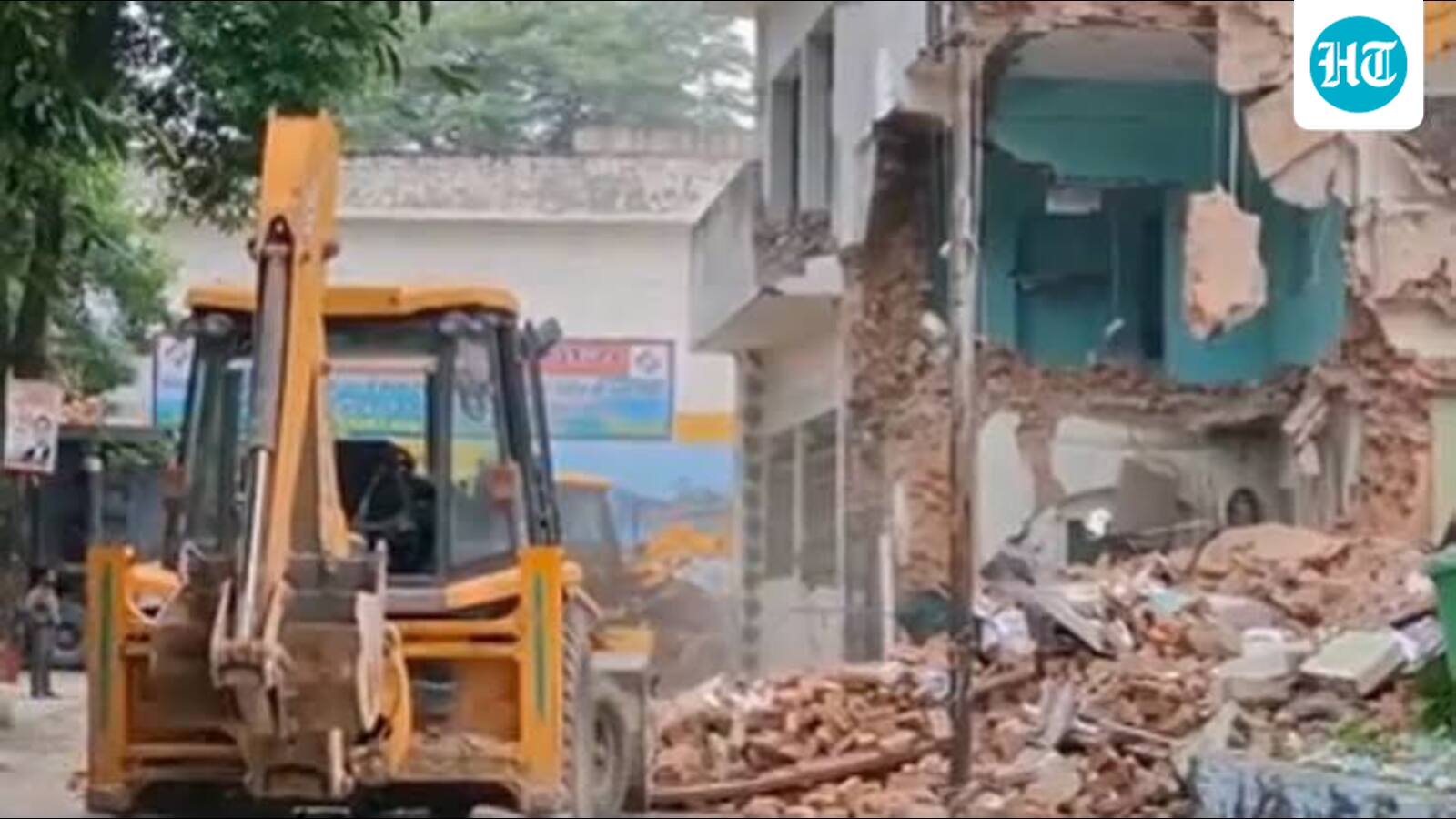
A 150-year-old mosque in the Saharanpur collectorate was demolished following a court-upheld eviction order. The administration claims it acted under the Public Premises Act, while mosque management contests the legality of the demolition.
The Saharanpur Mosque Demolition: A Legal and Political Crossroads
In a development that has ignited significant regional tension, a mosque situated within the Saharanpur collectorate, claimed to be 150 years old, was razed by local authorities on September 5. This action followed a year-long legal struggle that culminated in a 26-page judgment by District Judge Satendra Kumar. The court affirmed a July 16 eviction order issued by the city magistrate under the Uttar Pradesh Public Premises (Eviction of Unauthorised Occupants) Act, 1972, citing a failure by the mosque management to provide substantive evidence of ownership or lawful possession of the collectorate land.
The Discrepancy Between Eviction and Demolition
A critical point of contention in this case lies in the interpretation of the legal mandate. City Magistrate Kuldeep Singh asserted that the July order specifically directed "bedakhali," or the removal of occupants from the premises. According to the administration, the subsequent demolition was a byproduct of enforcing this eviction. However, mosque management representatives argue that a legal order for eviction does not inherently grant the authority to demolish a standing structure, raising questions regarding administrative overreach and the procedural boundaries of the Public Premises Act.
Historical Context and Institutional Land Disputes
The presence of religious structures within government administrative complexes is a complex issue in India, often dating back to colonial-era land grants or informal settlements that predate modern zoning laws. The Saharanpur case highlights the collision between historical claims of antiquity—in this case, a 150-year-old site—and the modern state’s insistence on clear, documented land titles. The court’s reliance on the 1972 Act underscores a shift toward prioritizing state-sanctioned land records over prescriptive rights or long-standing usage.
The Shadow of Upcoming Elections
Timing plays a pivotal role in the fallout of this event. With Uttar Pradesh preparing for polls in early next year, the demolition has predictably become a flashpoint for political discourse. Administrative actions involving religious sites are rarely viewed in a vacuum; they often serve as catalysts for broader debates regarding secularism, minority rights, and the assertion of state authority. The political backlash currently unfolding in Saharanpur is reflective of the heightened sensitivity surrounding land disputes that carry religious significance in the lead-up to electoral cycles.
Broader Implications and Future Trends
This incident serves as a bellwether for future land-use conflicts in Uttar Pradesh. As the state continues to modernize its administrative infrastructure, the legal scrutiny of land occupancy within government-owned parcels is likely to intensify. The Saharanpur outcome establishes a precedent where the inability to produce formal title deeds may lead to the swift removal of structures, regardless of their historical or community significance. Moving forward, both religious organizations and the state administration will likely face increased pressure to settle similar disputes through mediation or more rigorous legal verification to avoid the social instability that follows forced evictions and subsequent demolitions.
Verification Required?