India News Live Updates, 13 July 2026: Four minors feared drowned in Yamuna in Delhi; search enters second day
Source Entity
The Indian Express
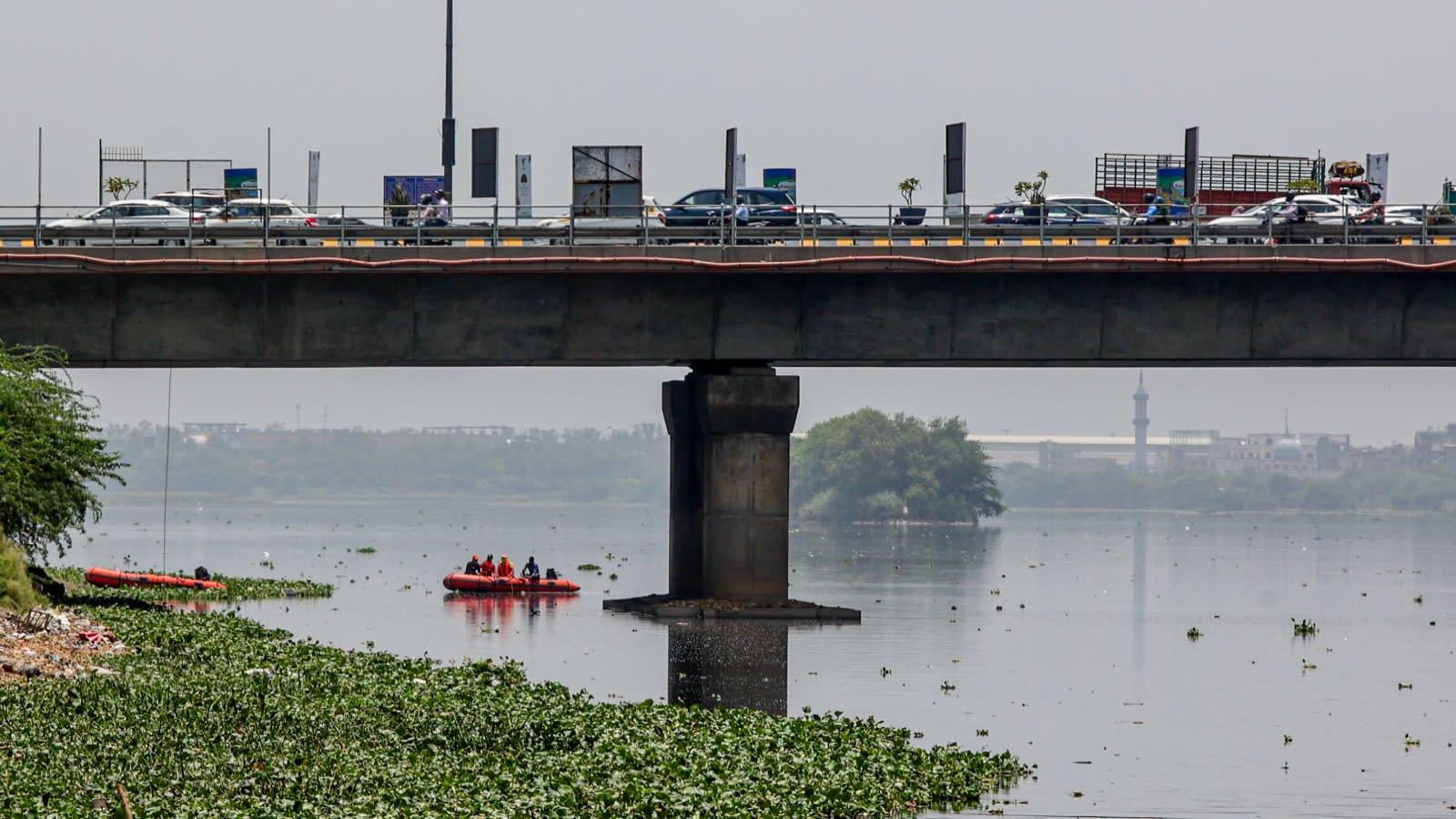
National Disaster Response Force (NDRF) conduct a search operation in the Yamuna after four minors were feared drowned while bathing near Hiranki village and being swept away by the river's strong cur...
Tragedy in the Yamuna: Search Intensifies for Four Missing Minors
On July 13, 2026, a distressing incident unfolded in Delhi as four minors were reported missing after being swept away by the powerful currents of the Yamuna river. The children had reportedly entered the water for bathing near Hiranki village, a region where the river's banks are often accessed by locals. The sudden surge of the current quickly overwhelmed the minors, leading to a critical emergency that has now transitioned into a large-scale search and rescue operation.
The Scale of the NDRF Operation
The National Disaster Response Force (NDRF) has taken the lead in the recovery efforts, deploying specialized divers and search equipment. As the operation enters its second day, the complexity of the search has increased. The Yamuna is notorious for its unpredictable undercurrents and heavy siltation, which can obscure visibility and create treacherous pockets of water. The NDRF's involvement highlights the severity of the situation, as the window for successful rescue narrows significantly after the first 24 hours in fast-flowing river conditions.
Environmental Factors and Seasonal Risks
This incident occurs during July, a month typically characterized by the peak of the monsoon season in Northern India. During this period, the Yamuna often experiences a significant rise in water levels due to upstream rainfall and the release of water from dams. These conditions transform the river into a high-velocity stream, making activities such as bathing extremely hazardous. Historically, the monsoon months see a spike in drowning incidents across the Yamuna's basin, as the deceptive appearance of the water's surface often masks the lethal strength of the currents beneath.
Infrastructure and Public Safety Gaps
The tragedy at Hiranki village brings to light the persistent lack of safety infrastructure along the peripheral banks of the Yamuna. While central Delhi's riverfronts have seen various development projects, rural and semi-urban pockets like Hiranki often lack adequate warning signage, safety barriers, or lifeguard presence. The tendency for residents to use the river for daily activities, combined with a lack of formal safety education regarding river currents, creates a recurring vulnerability for the youth in these communities.
Broader Implications for Urban Water Safety
Beyond the immediate tragedy, this event underscores the need for a comprehensive water safety strategy in the National Capital Territory (NCT). The recurring nature of such accidents suggests that reactive measures—such as deploying the NDRF after an event—are insufficient. There is a pressing need for community-based awareness programs and the installation of physical deterrents in high-risk zones to prevent minors from venturing into dangerous depths during the monsoon season.
Conclusion and Outlook
As the search operation continues, the focus remains on the recovery of the four missing children. This event serves as a grim reminder of the inherent dangers posed by the Yamuna during the rainy season. Until systemic changes are made to how the riverbanks are managed and how public safety is communicated in village clusters, the risk of similar tragedies remains high. The outcome of the current NDRF operation will likely spark renewed calls for stricter safety regulations along the river's edge to protect the city's most vulnerable residents.