FreeInk: Open ecosystem for e-readers
Source Entity
Hacker News
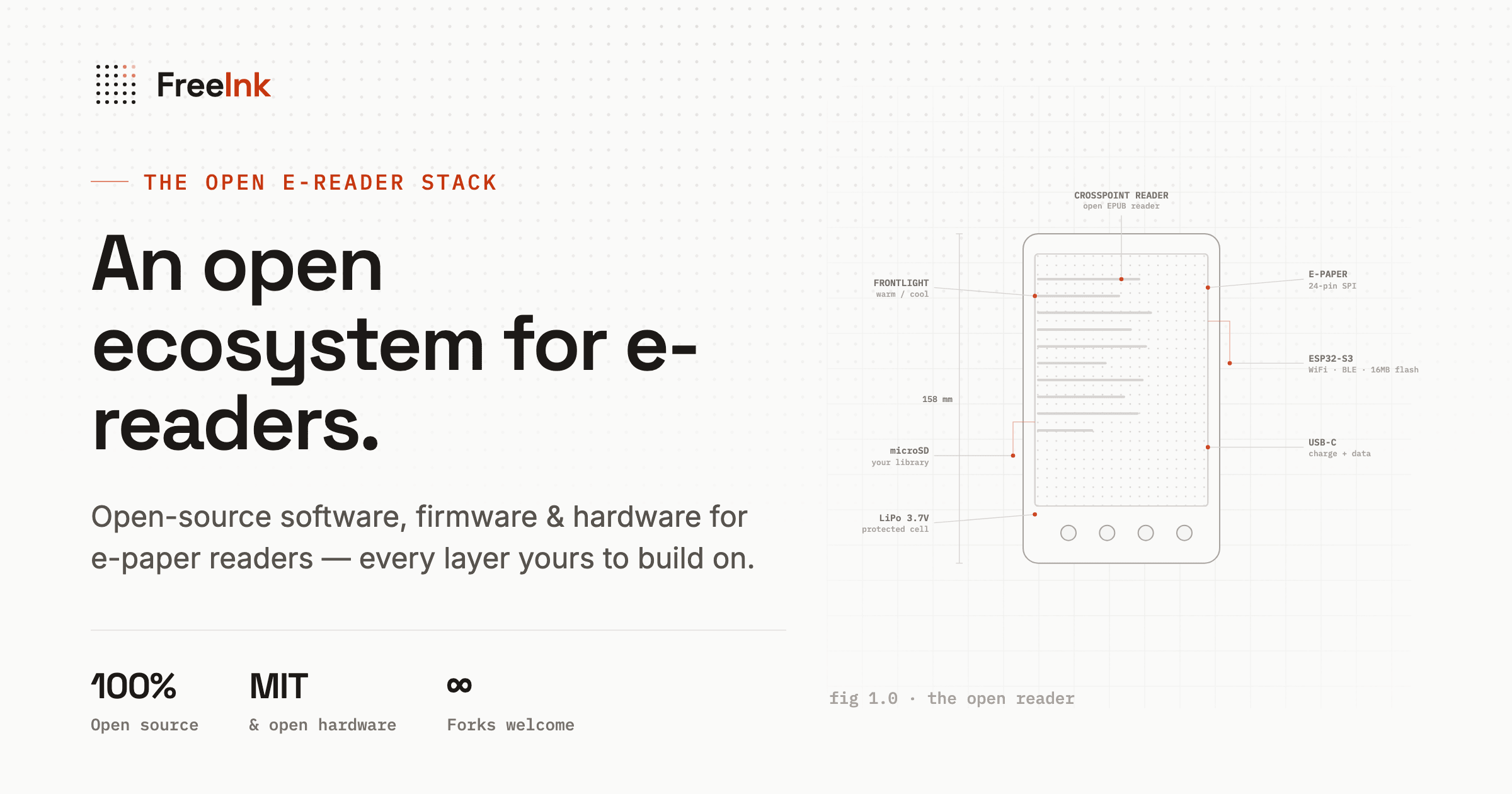
FreeInk is a proposed open ecosystem designed to enhance interoperability and user freedom for e-readers. This initiative seeks to move beyond proprietary silos, allowing users greater control over their digital libraries.
The Shift Toward Open E-Reading Ecosystems
The emergence of the 'FreeInk' concept represents a critical inflection point in the digital publishing industry. For over a decade, the e-reader market has been dominated by vertically integrated ecosystems—often referred to as 'walled gardens'—where hardware, software, and content distribution are inextricably linked. The FreeInk initiative challenges this status quo by advocating for an open ecosystem that prioritizes interoperability and user agency, moving away from the restrictive practices that have long defined the sector.
Breaking the Proprietary Chains
Historically, e-reader users have been tethered to specific platforms, often finding their purchased content locked behind proprietary Digital Rights Management (DRM) or file formats that are incompatible with third-party devices. This lack of portability has frustrated consumers who wish to manage their own digital libraries across multiple hardware platforms. By fostering an open ecosystem, FreeInk aims to create a standardized framework that allows readers to move their content seamlessly between devices, effectively decoupling the reading experience from the storefront.
The Role of Interoperability
At the core of the FreeInk proposal is the drive for universal standards. In the broader context of digital technology, similar movements have seen success in web browsing and mobile operating systems, where open protocols allow for innovation and competition. If FreeInk successfully establishes a baseline for open file formats and cross-device authentication, it could dismantle the competitive barriers that currently force consumers to choose a single ecosystem for their entire digital collection.
Challenges to Adoption
Despite the clear benefits to the end-user, the path toward an open ecosystem is fraught with resistance from entrenched market leaders. The current business model relies heavily on the 'lock-in effect,' where the cost of switching ecosystems is high enough to discourage users from migrating to competitors. Convincing major publishers and hardware manufacturers to adopt a shared standard requires a paradigm shift—moving from a model of exclusive control to one of collaborative growth where content accessibility is prioritized over proprietary exclusivity.
Future Trends and Implications
Looking ahead, the success of initiatives like FreeInk could signal a broader trend toward 'digital sovereignty' in the consumer electronics space. As users become increasingly aware of the limitations placed on their digital assets, the market may naturally shift toward platforms that offer greater flexibility. If FreeInk gains traction, we may see a future where the e-reader hardware becomes a commodity, and the value proposition shifts entirely to the quality of the reading experience, software interface, and community-driven features rather than proprietary content control.