French ruling spotlights breast cancer as an occupational disease
Source Entity
India Latest News: Top National Headlines Today & Breaking News | The Hindu
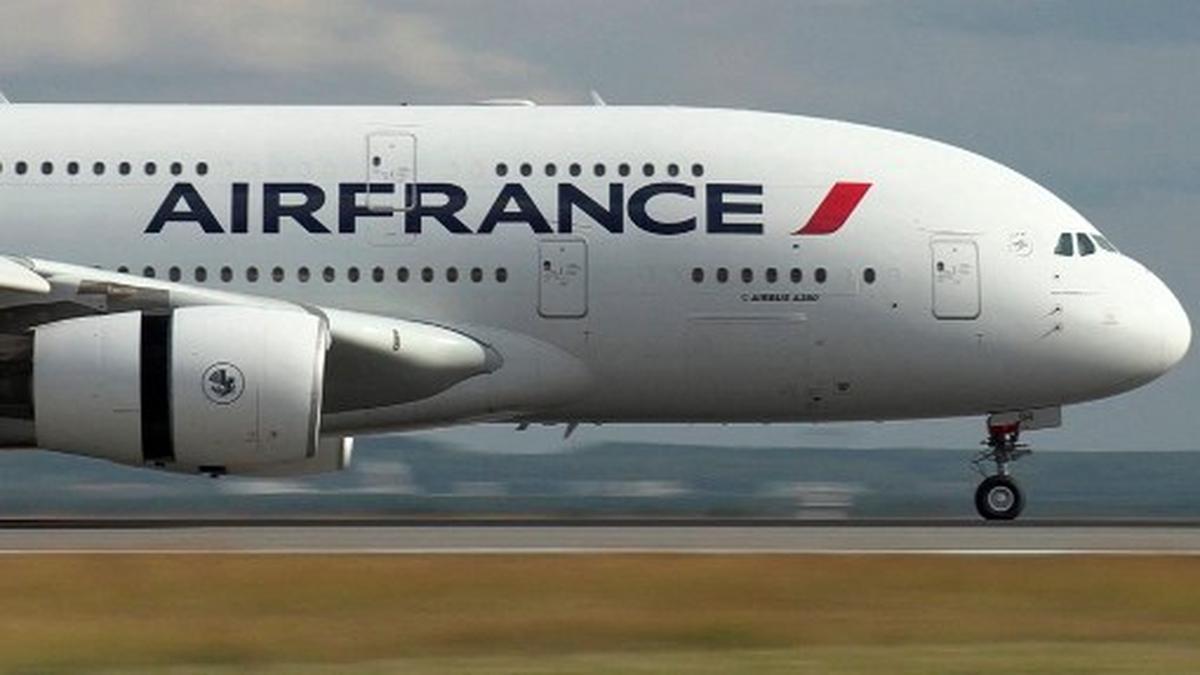
A French court has officially recognized breast cancer as an occupational disease for a former flight attendant, citing night shifts and cosmic radiation as primary factors. This landmark ruling sets a significant precedent for aviation health and safety standards worldwide.
A Landmark Precedent in Aviation Health
In a significant development for labor rights and occupational health, a court in Bayonne, France, has officially recognized breast cancer as an occupational disease for a former flight attendant. This ruling, centered on the case of Sophie Lainault, marks the first instance of such a legal acknowledgment within the French aviation sector. By linking the professional duties of flight crews to serious oncological outcomes, the judiciary has effectively opened a new chapter in how the industry must address the long-term health consequences of aviation careers.
The Environmental and Biological Triggers
The court's decision was anchored in a rigorous examination of Ms. Lainault’s professional history and environmental exposure. With 12,600 flight hours, including 6,500 hours performed during night shifts, the claimant was subjected to unique stressors. Scientific evidence presented during the proceedings emphasized that exposure to ionizing cosmic radiation at high altitudes, combined with the disruption of circadian rhythms caused by frequent night shifts and historical exposure to passive smoking, created a cumulative risk profile that the court found impossible to ignore.
Ruling Out Alternative Causes
A critical factor in the court’s favorable judgment was the absence of confounding variables. The investigation confirmed that Ms. Lainault possessed no genetic predisposition or lifestyle-related factors that could serve as alternative explanations for her cancer diagnosis. By isolating the professional environment as the primary catalyst, the court established a clear causal link, effectively shifting the burden of proof from the individual to the structural risks inherent in long-term aviation service.
Broader Implications for the Aviation Industry
This ruling carries profound implications for airlines and regulatory bodies globally. Historically, the aviation industry has faced challenges regarding the health of cabin crew, but legal recognition of cancer as a work-related ailment remains rare. This decision will likely compel airline operators to re-evaluate their scheduling practices, particularly regarding night flights, and may lead to enhanced monitoring of radiation exposure levels for staff. It serves as a clarion call for more robust occupational health frameworks that account for the unique, invisible hazards of the flight environment.
Future Trends in Occupational Safety
Looking forward, this case is expected to catalyze further litigation and policy reform. As the legal community and labor unions analyze the implications of the Bayonne court’s decision, we can anticipate a surge in demands for standardized health protections for flight attendants. The intersection of biotechnology, which can better identify environmental-induced cancers, and labor law, which seeks to protect workers from these invisible hazards, suggests that the aviation industry will be under increased pressure to prioritize crew health as a core operational cost rather than an externalized liability.
Conclusion
Sophie Lainault’s successful legal battle represents a transformative moment for aviation safety. By acknowledging the reality of occupational health risks at high altitudes, the French judiciary has set a standard that prioritizes worker welfare over operational convenience. As the industry moves forward, the legacy of this ruling will likely be a more transparent, health-conscious environment for those who spend their careers in the skies.
Verification Required?